
Cleaner air you can trust—True HEPA filtration, PlasmaWave technology, and smart air quality sensing at a fair price.
Cleaner air you can trust—True HEPA filtration, PlasmaWave technology, and smart air quality sensing at a fair price.
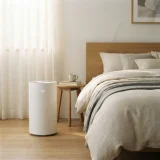
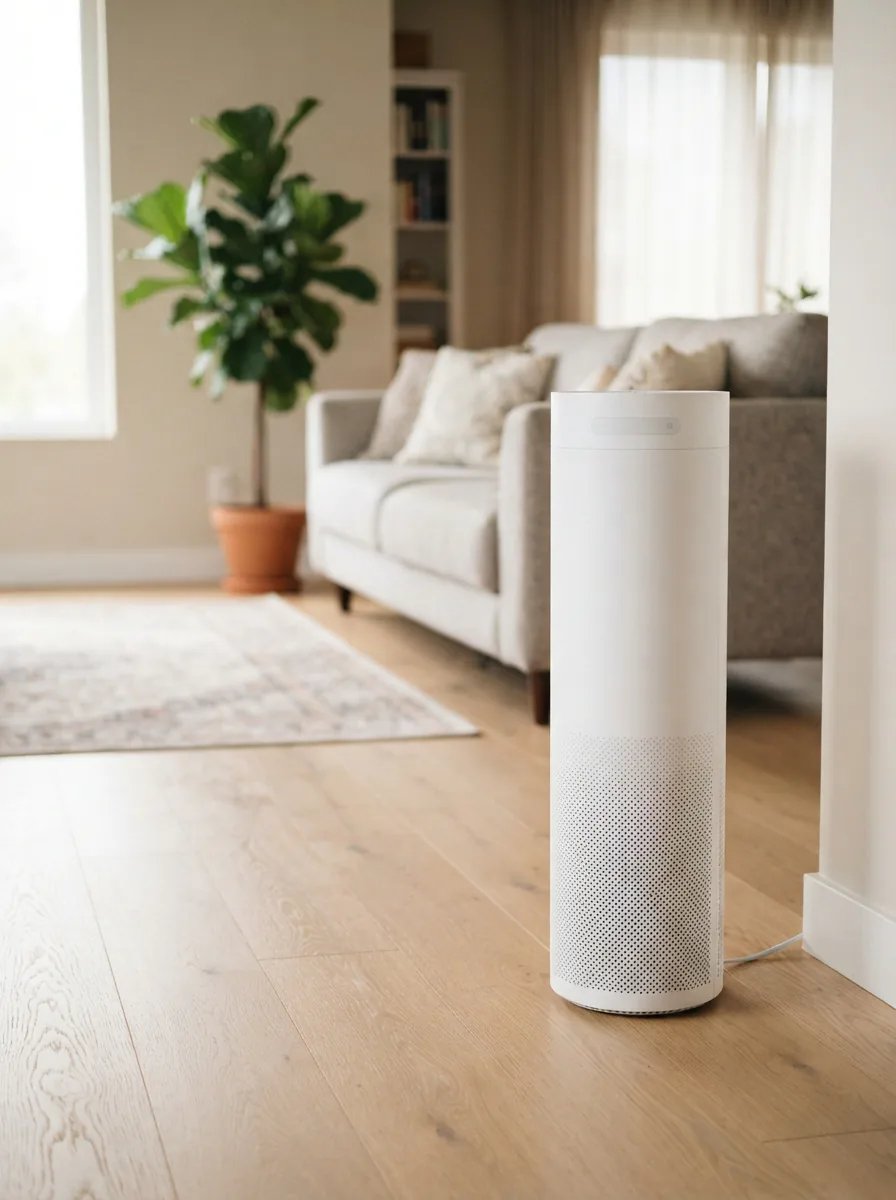
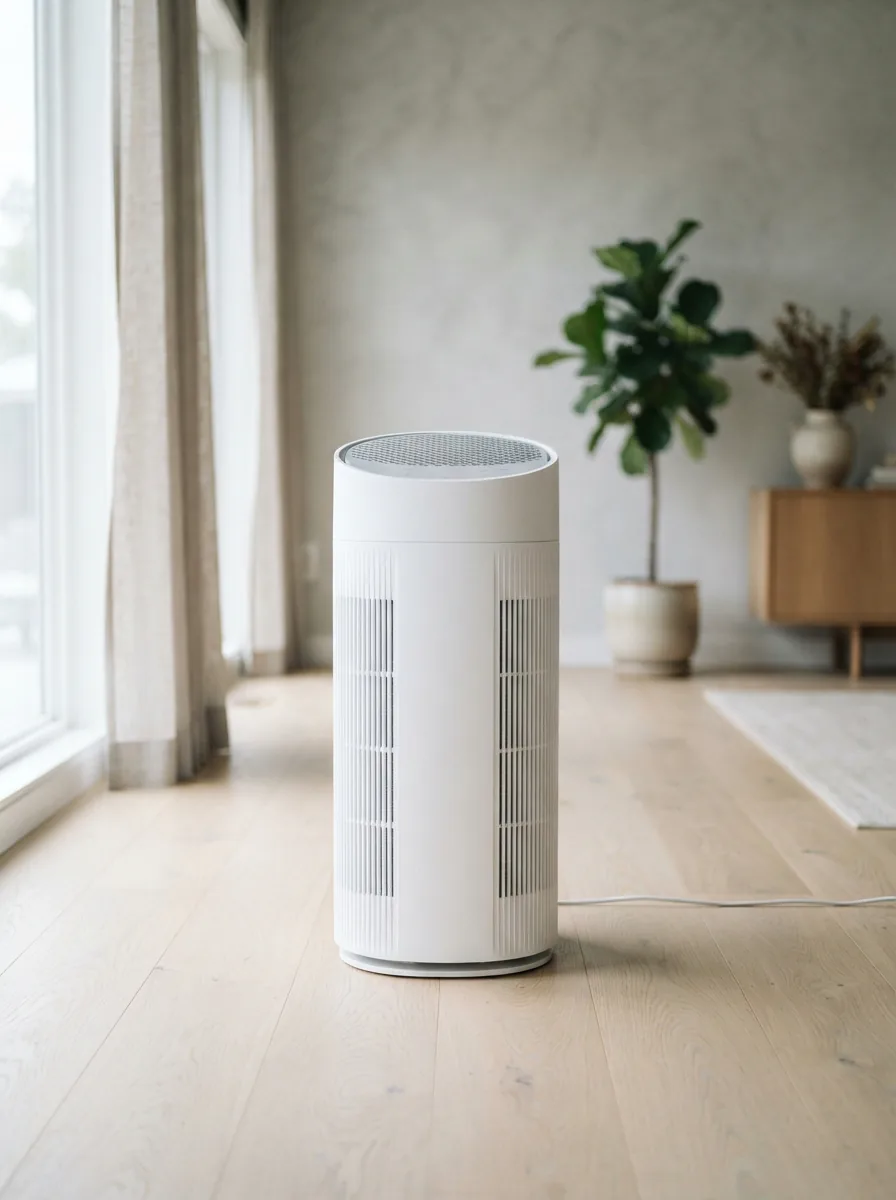
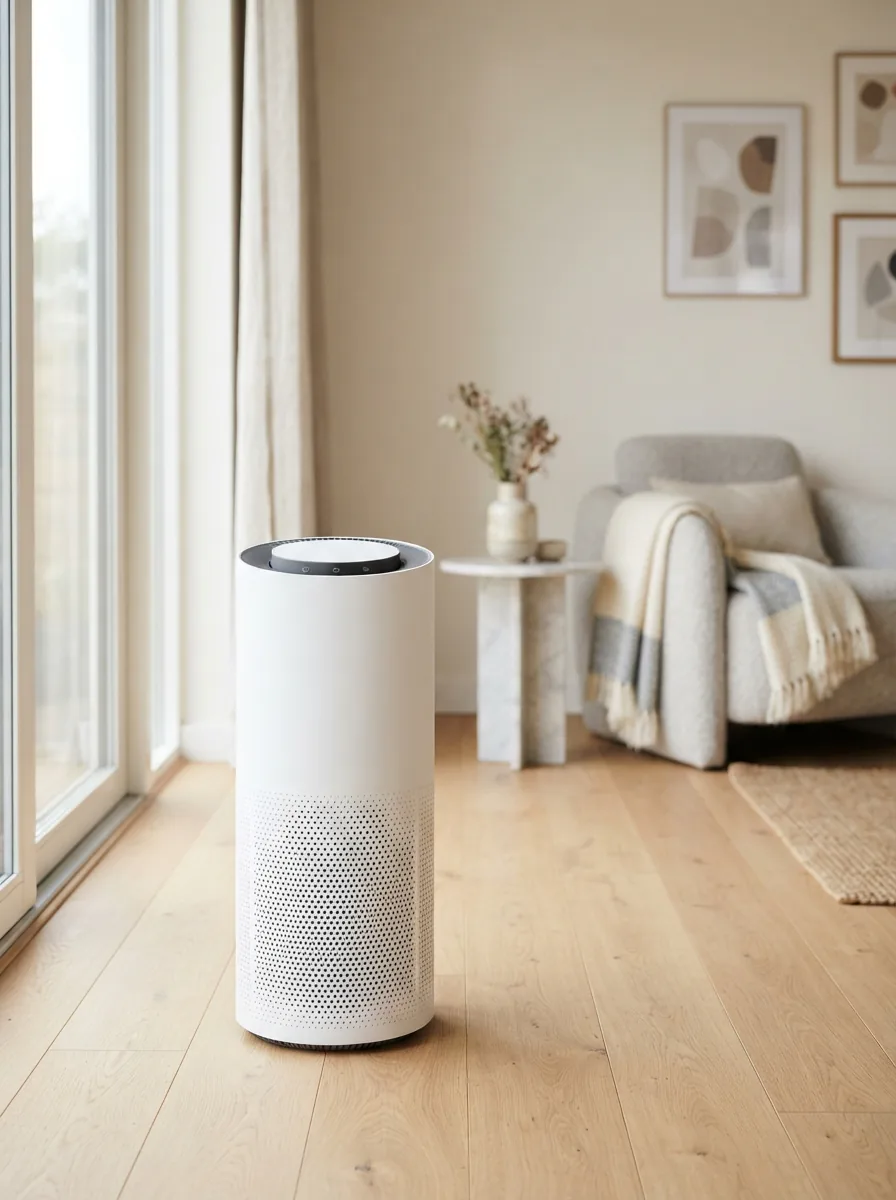
A bedroom purifier needs a filter that keeps pollen and dust down overnight. Replace on schedule so airflow stays steady and auto mode is not pushing air through a loaded filter while you sleep.
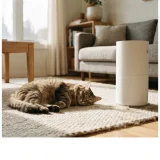
Homes with pets load the prefilter and carbon faster than most. A pet-focused guard or a carbon-heavy choice helps with dander and odor, and shorter replacement windows keep the unit effective between heavy shedding weeks.
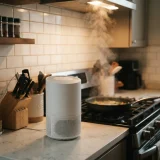
Cooking odor is a carbon job, not a particle job. When smells linger after the stove cools, a fresh carbon stage or a smoke-focused guard restores odor adsorption faster than waiting for the old filter to clear itself.
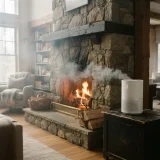
Smoke from cooking, a fireplace or wildfire season loads both stages at once. Smoke-focused filters add capacity, and swapping sooner protects the True HEPA stage from saturating while the air is heavy.
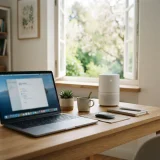
Seasonal pollen follows people indoors. Running auto mode with a fresh HEPA filter lowers the particle load in a home office, and a mid-season check prevents a stale filter from undoing that work during high-pollen weeks.
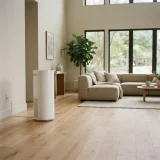
Larger rooms push more air through the filter, so replacements arrive sooner. Confirm your model code first, then choose the size and stage mix that matches how often the main living space actually runs.
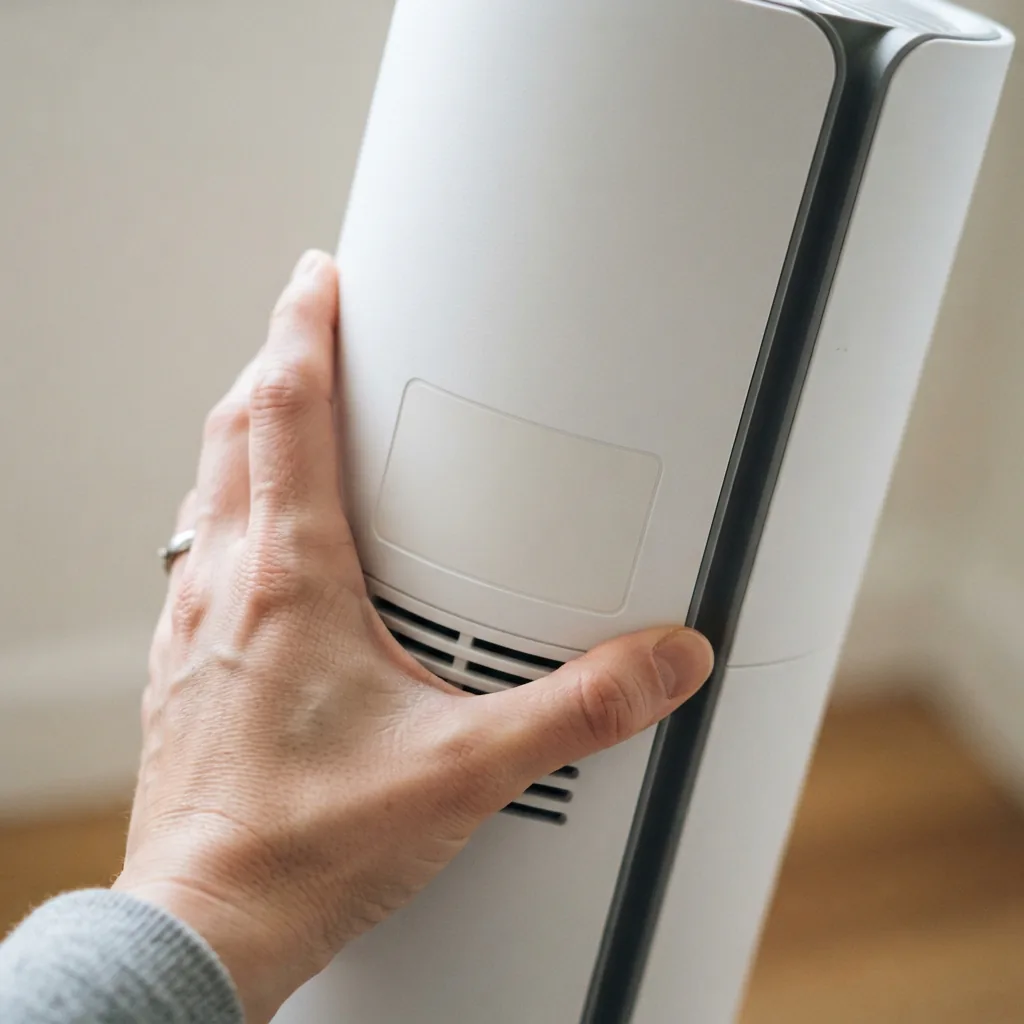
Model numbers decide fit, so check yours before choosing a filter.
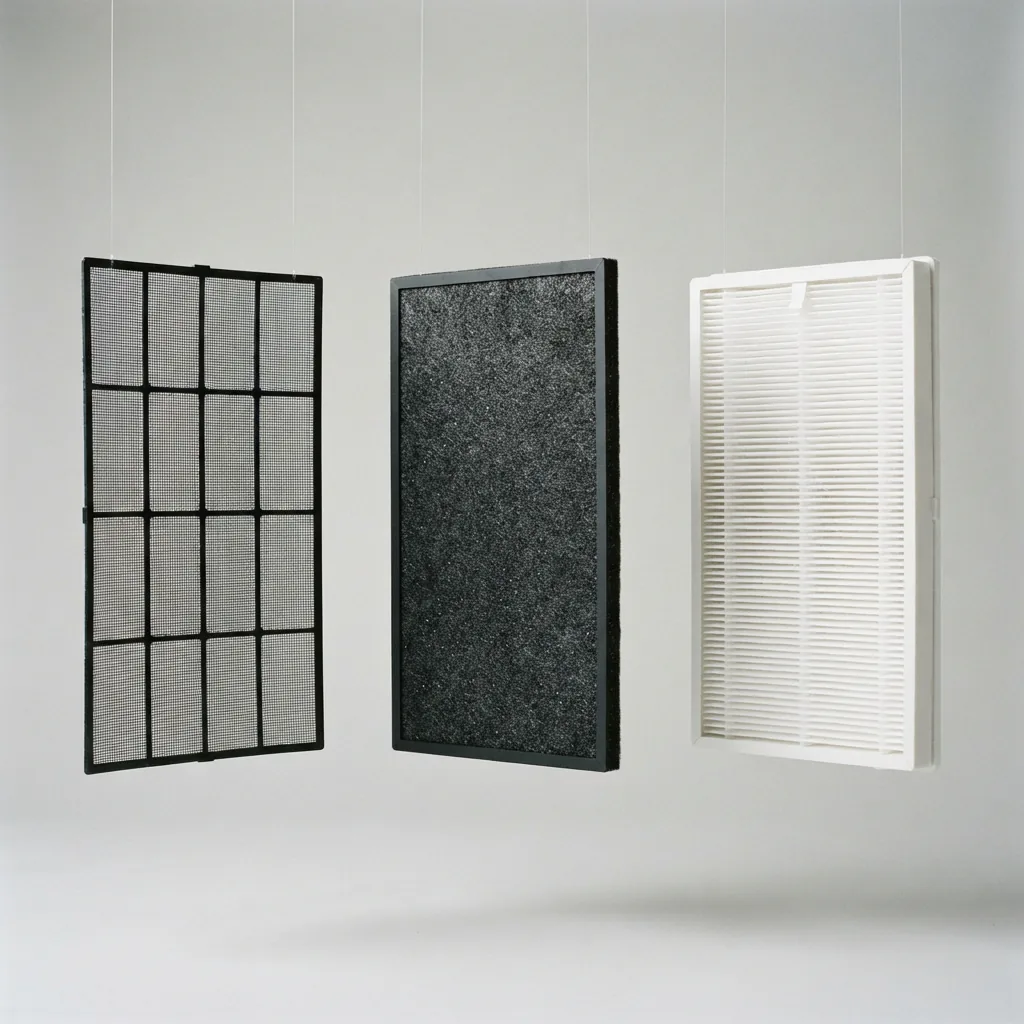
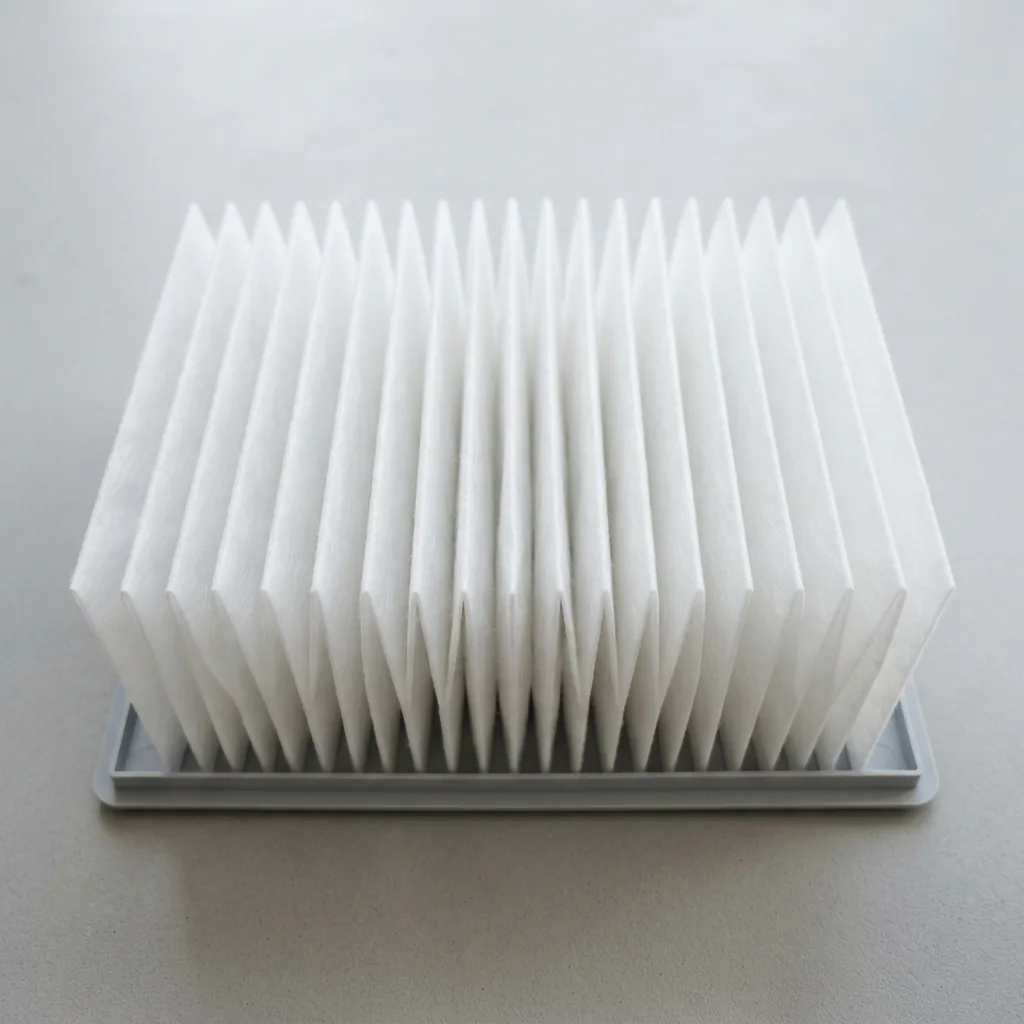
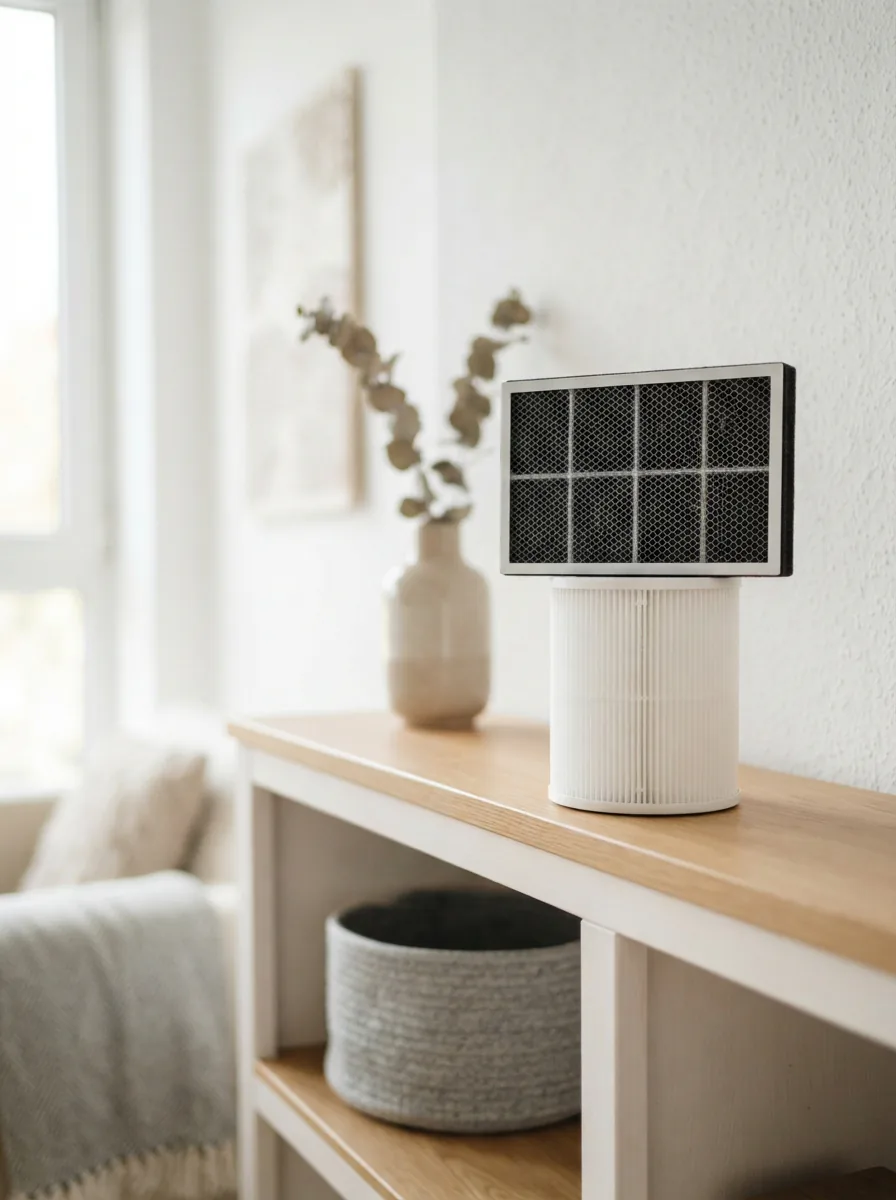
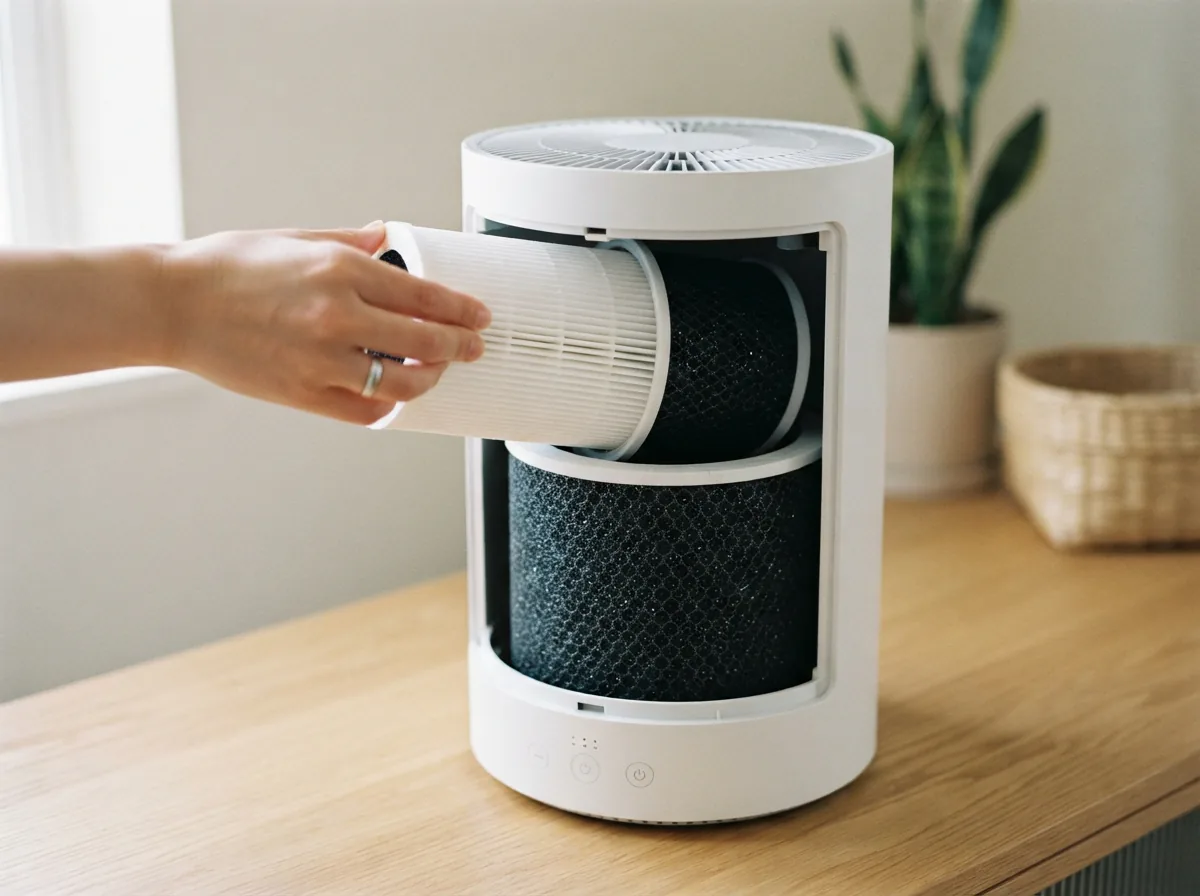
True HEPA traps fine particles while carbon adsorbs odors and VOCs.
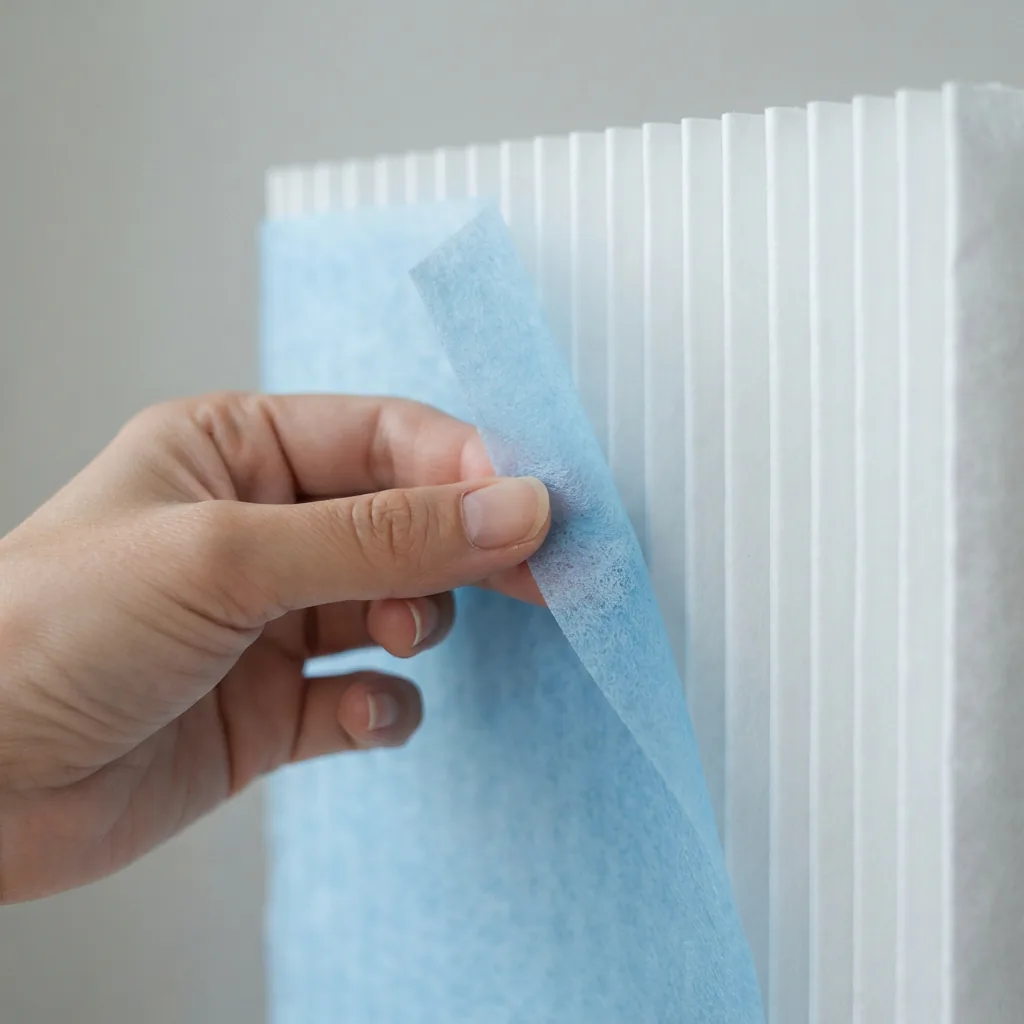
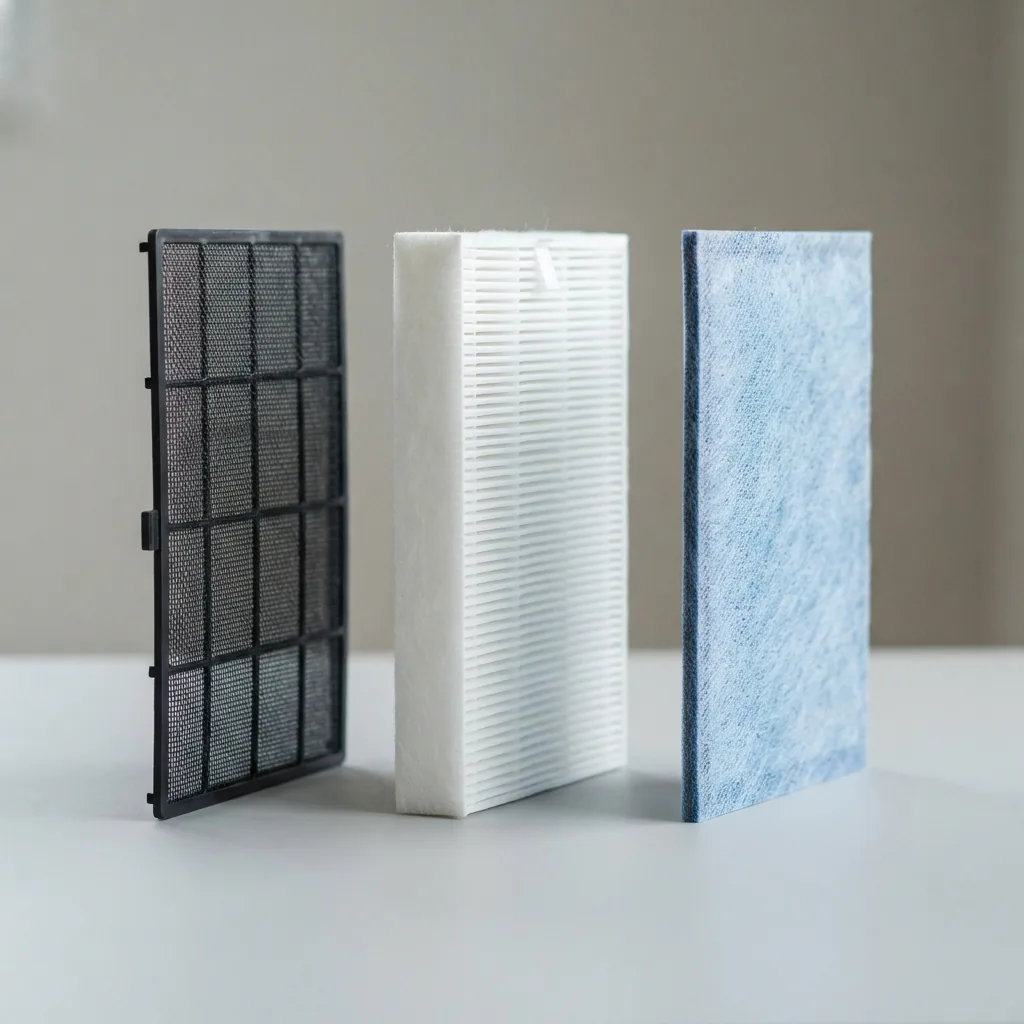
Guard versions layer allergen, pet or smoke protection onto one filter.
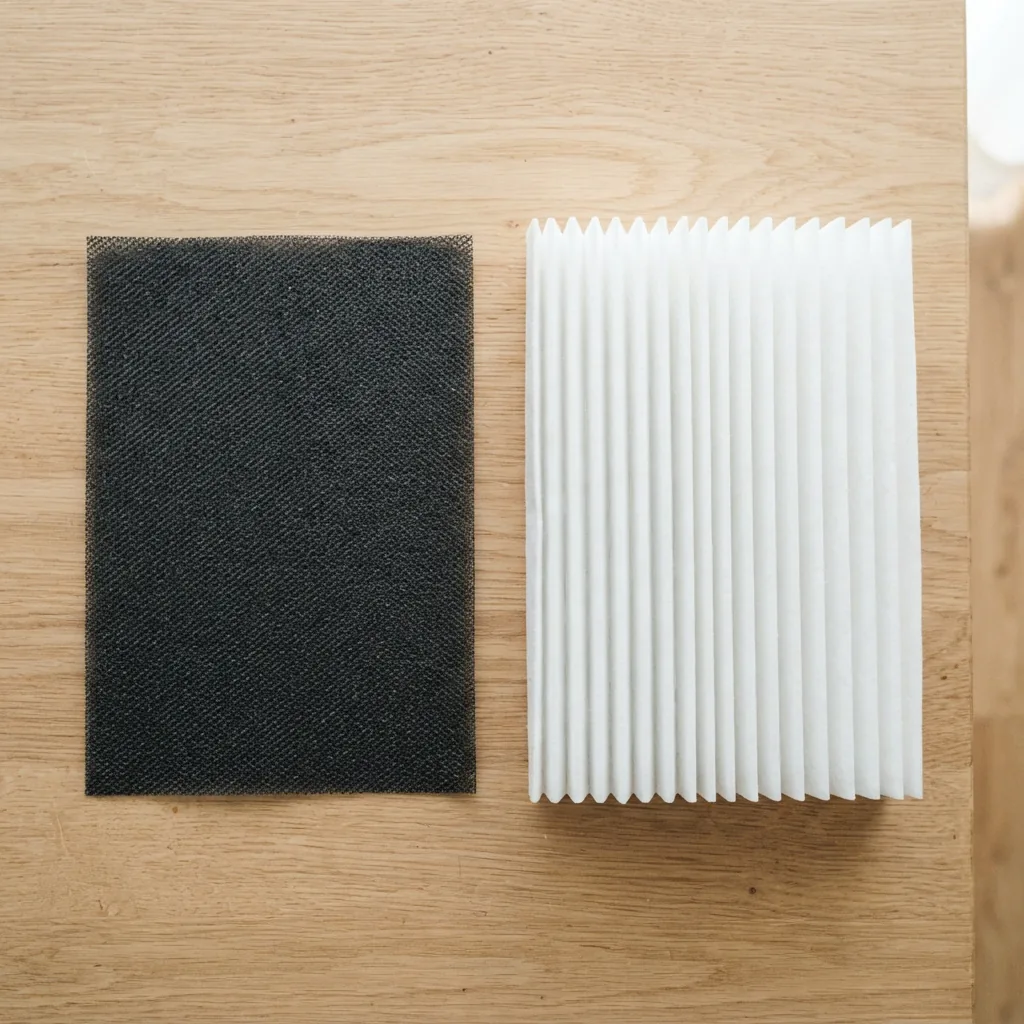
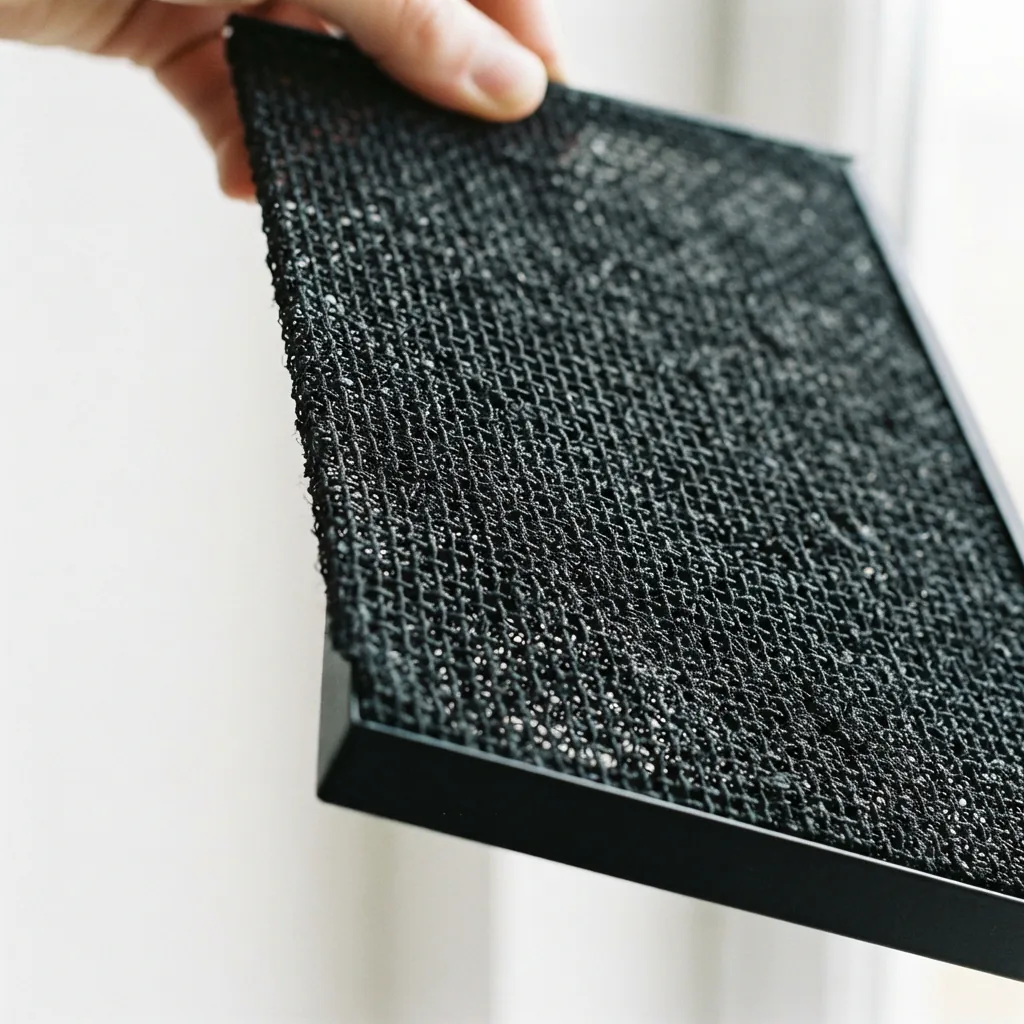
Carbon prefilters catch hair and big dust cheaply; full filters do more.
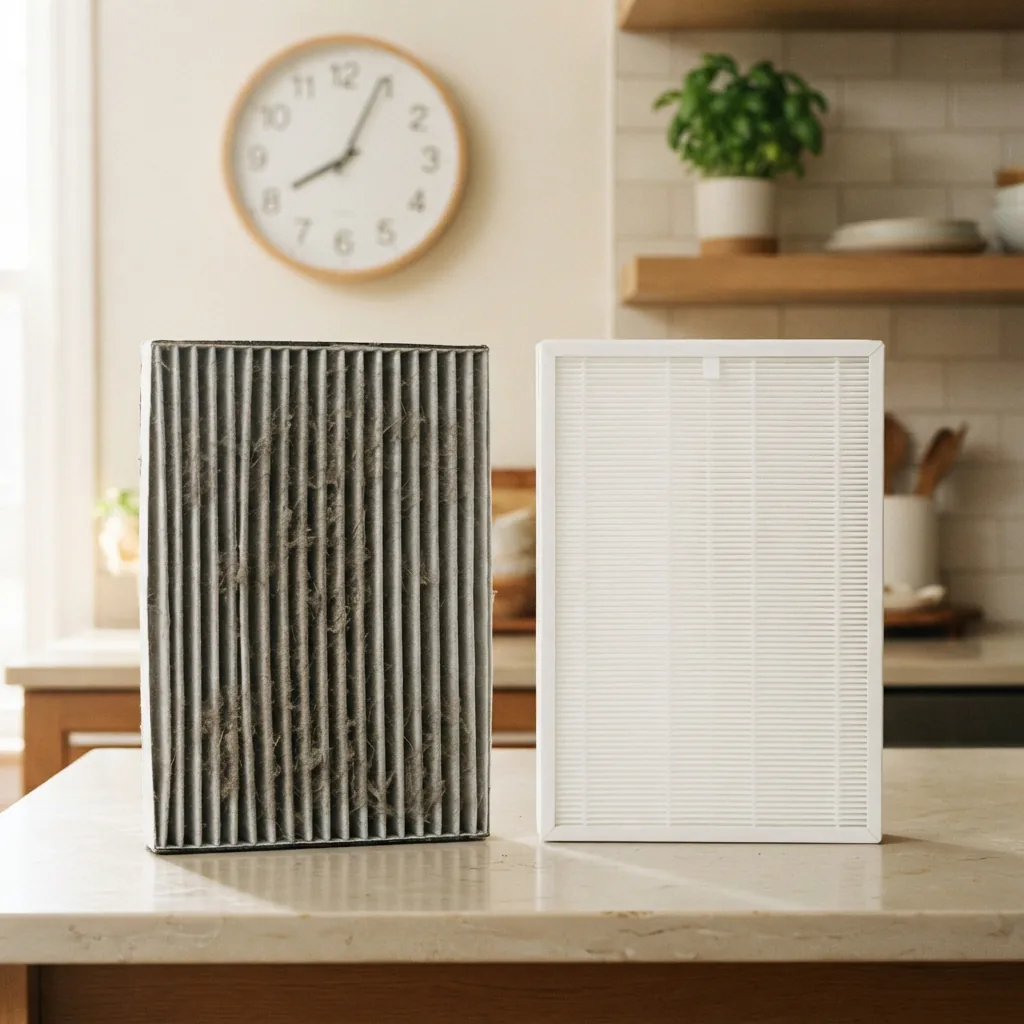
Filters typically last 6 to 12 months, sooner with pets or smoke.
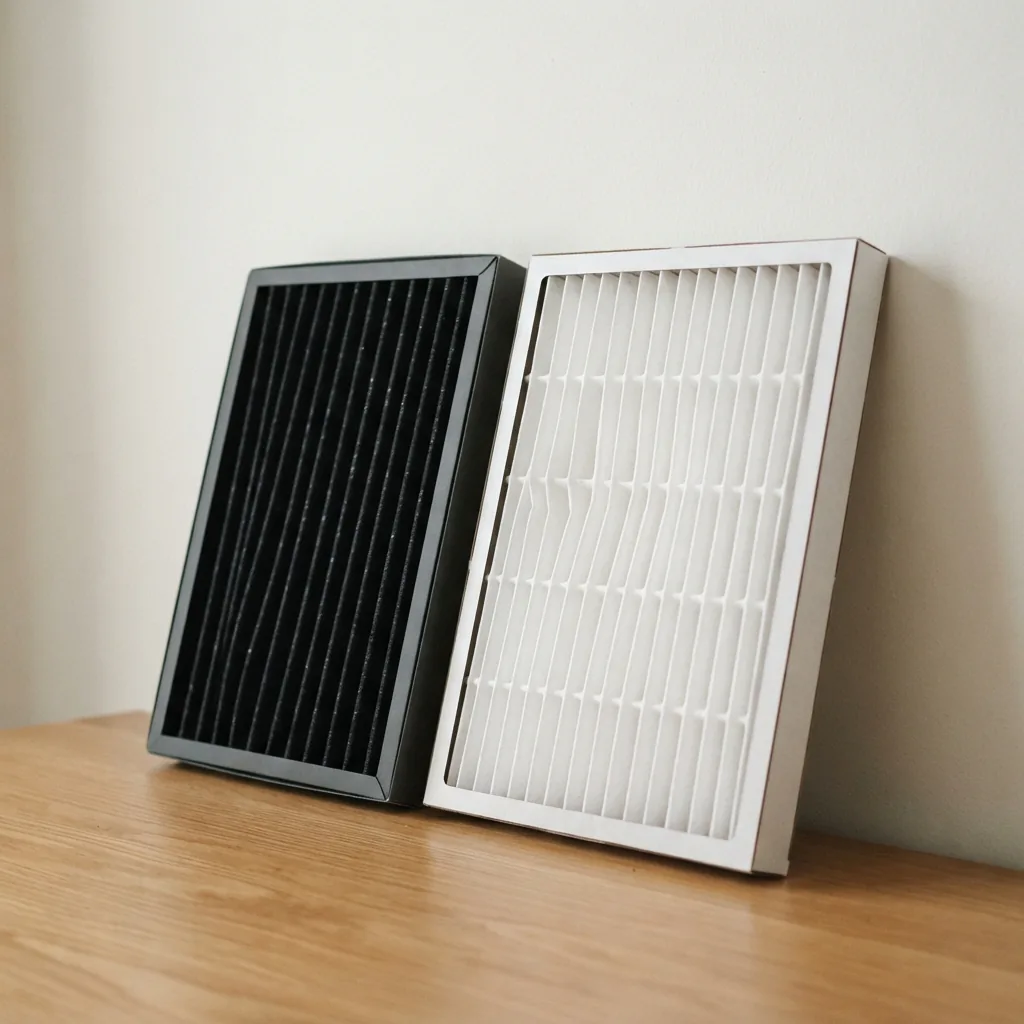
Buying HEPA and carbon together covers both stages in one purchase.