
Cleaner air you can trust—True HEPA filtration, PlasmaWave technology, and smart air quality sensing at a fair price.
Cleaner air you can trust—True HEPA filtration, PlasmaWave technology, and smart air quality sensing at a fair price.
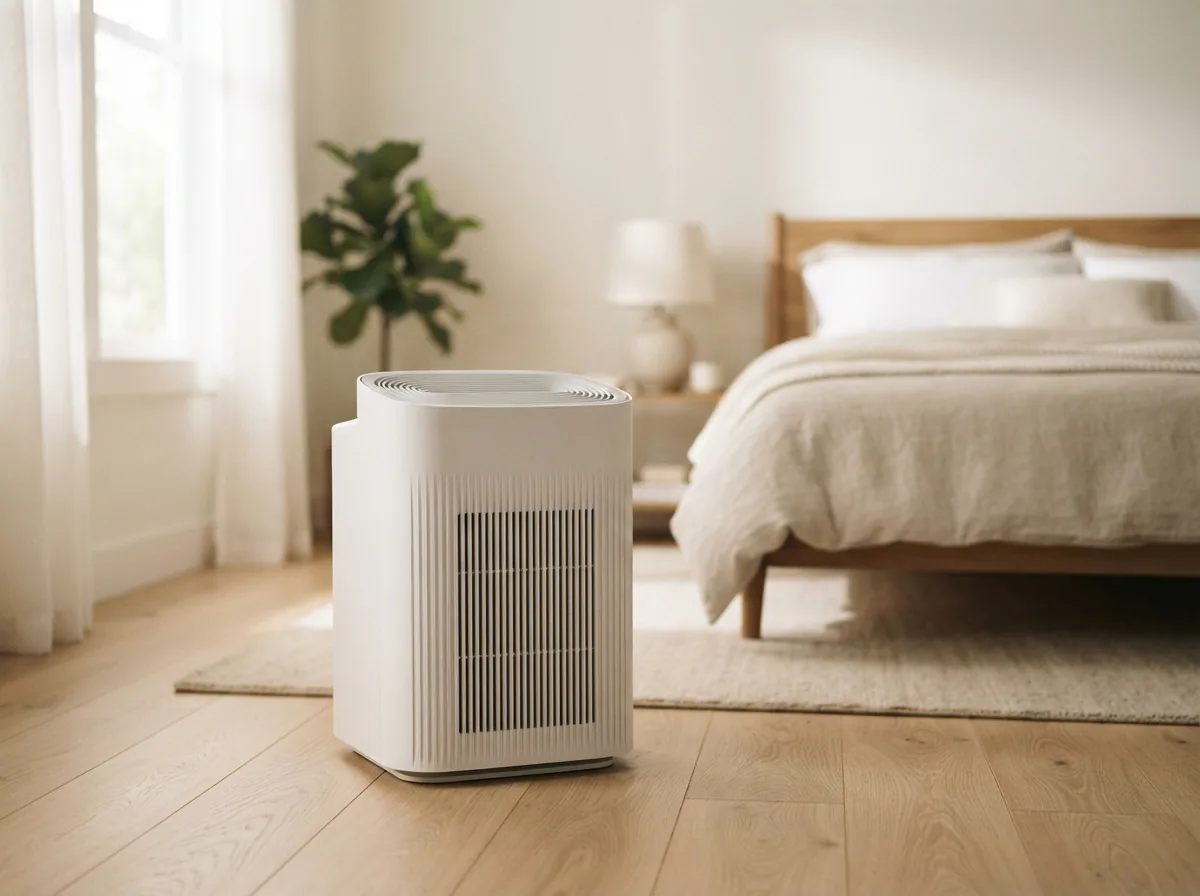

Pollen enters on clothes and through open windows, then settles on soft surfaces. A True HEPA unit running continuously in the bedroom reduces overnight exposure, and auto mode raises fan speed briefly when outdoor air comes in through a door or window.
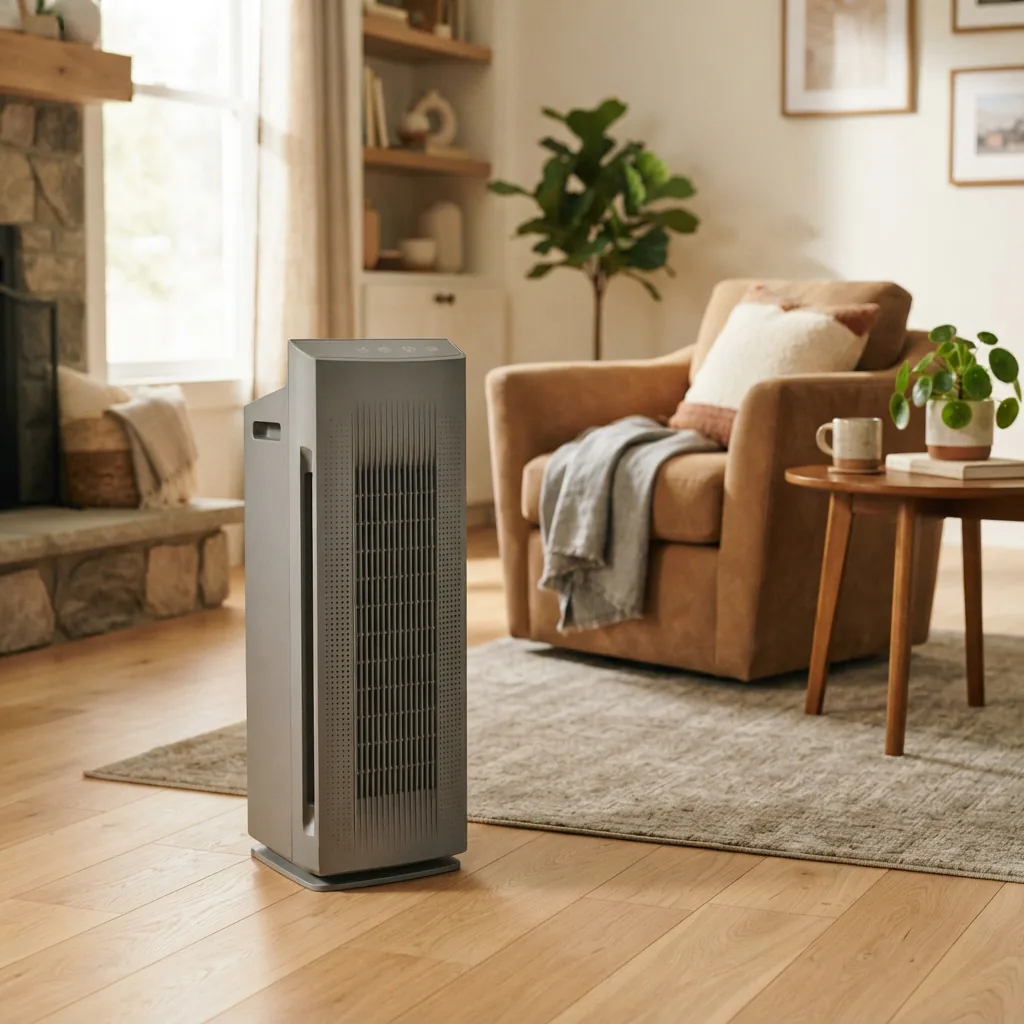
Dander is fine enough to stay airborne for hours. Placing a four-stage unit in the room where pets spend most of their time captures particles before they settle into upholstery, while the carbon layer reduces the associated odors that filtration alone would leave behind.
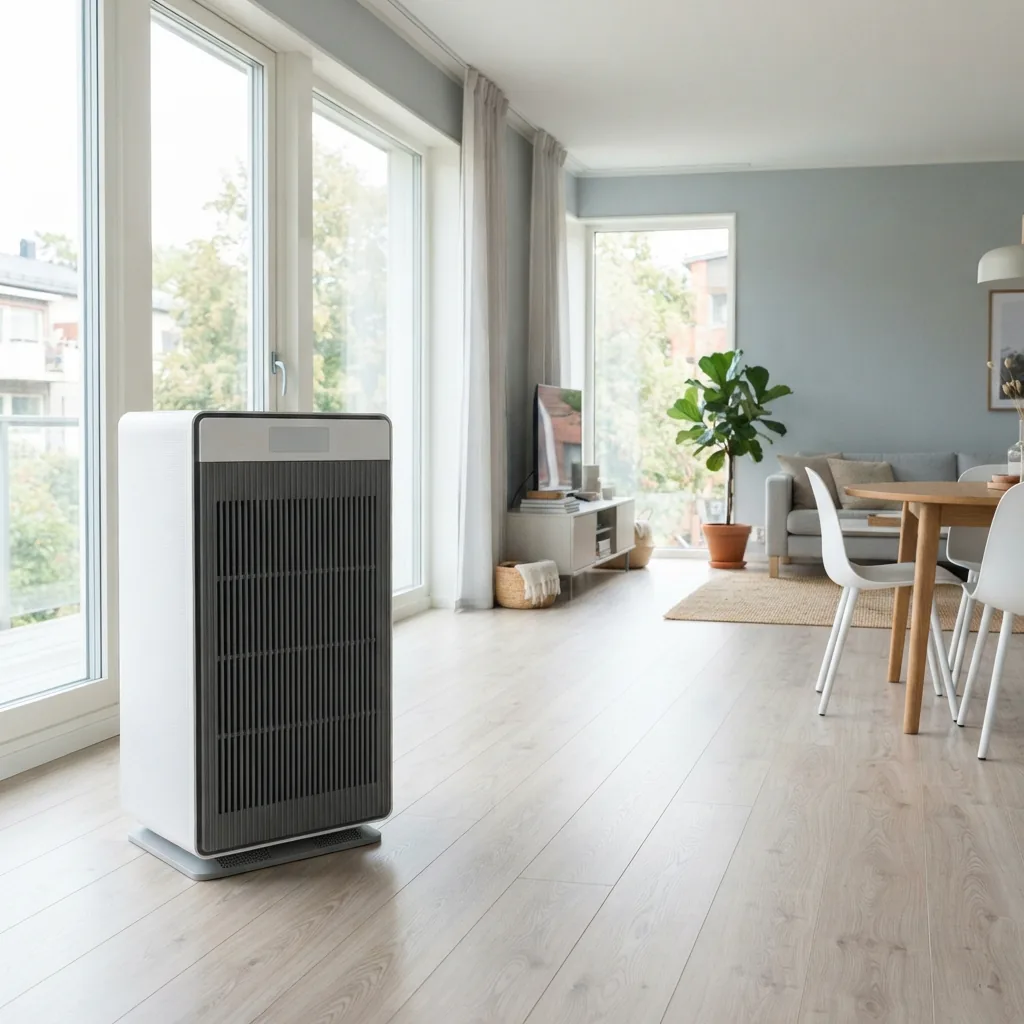
Open kitchens share air with dining and living areas, so odors travel. A larger unit placed near the kitchen boundary handles smoke and grease particles during cooking and clears residual smells afterward, especially when auto mode responds to the sensor instead of waiting to be switched on.
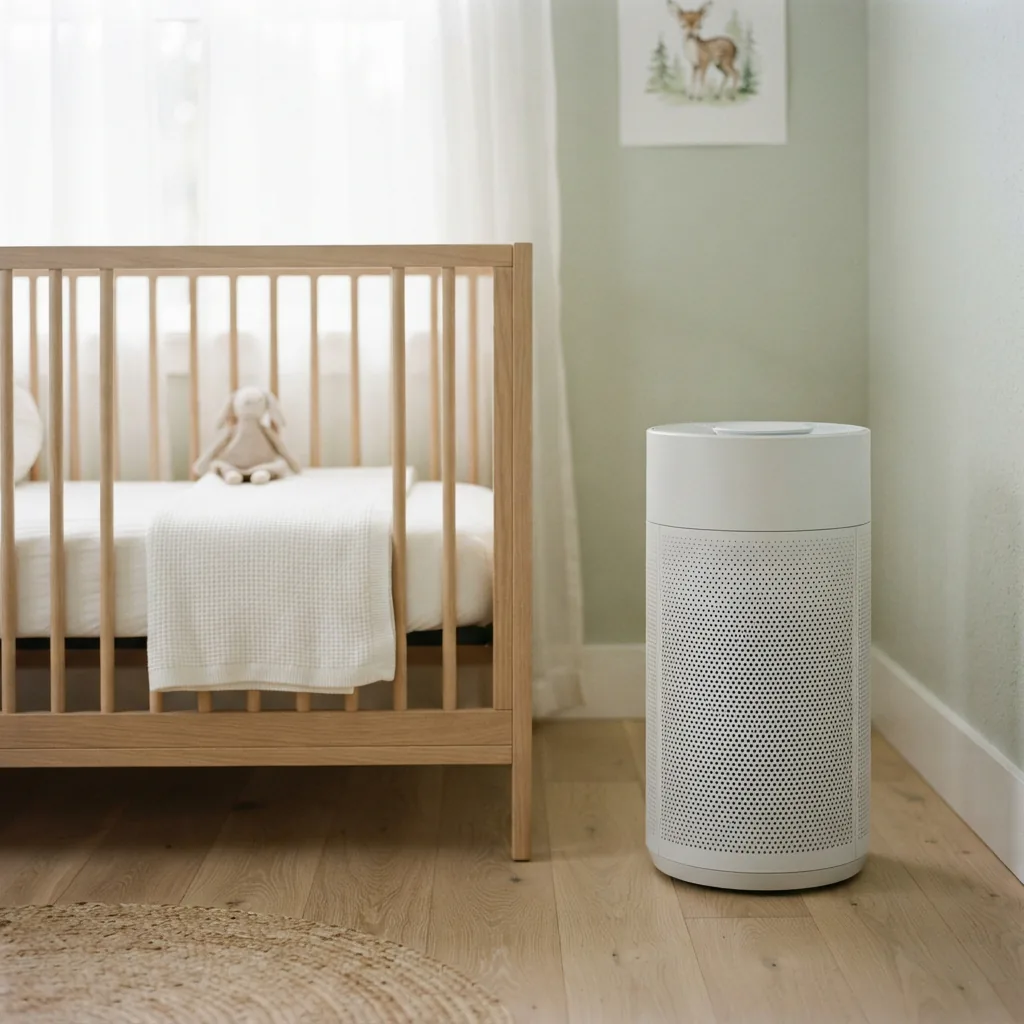
Small rooms need quiet operation more than raw power. A compact unit sized to the room runs on a low setting through the night, and simple controls without an app mean one less setup task for parents managing a new routine.
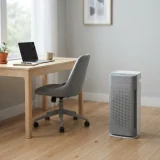
Desks near windows collect dust quickly, and closed office doors trap particles inside. A shelf-friendly unit keeps circulating air during long working hours, and models with WiFi let you adjust settings without leaving a call or standing up from the chair.
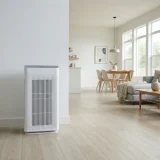
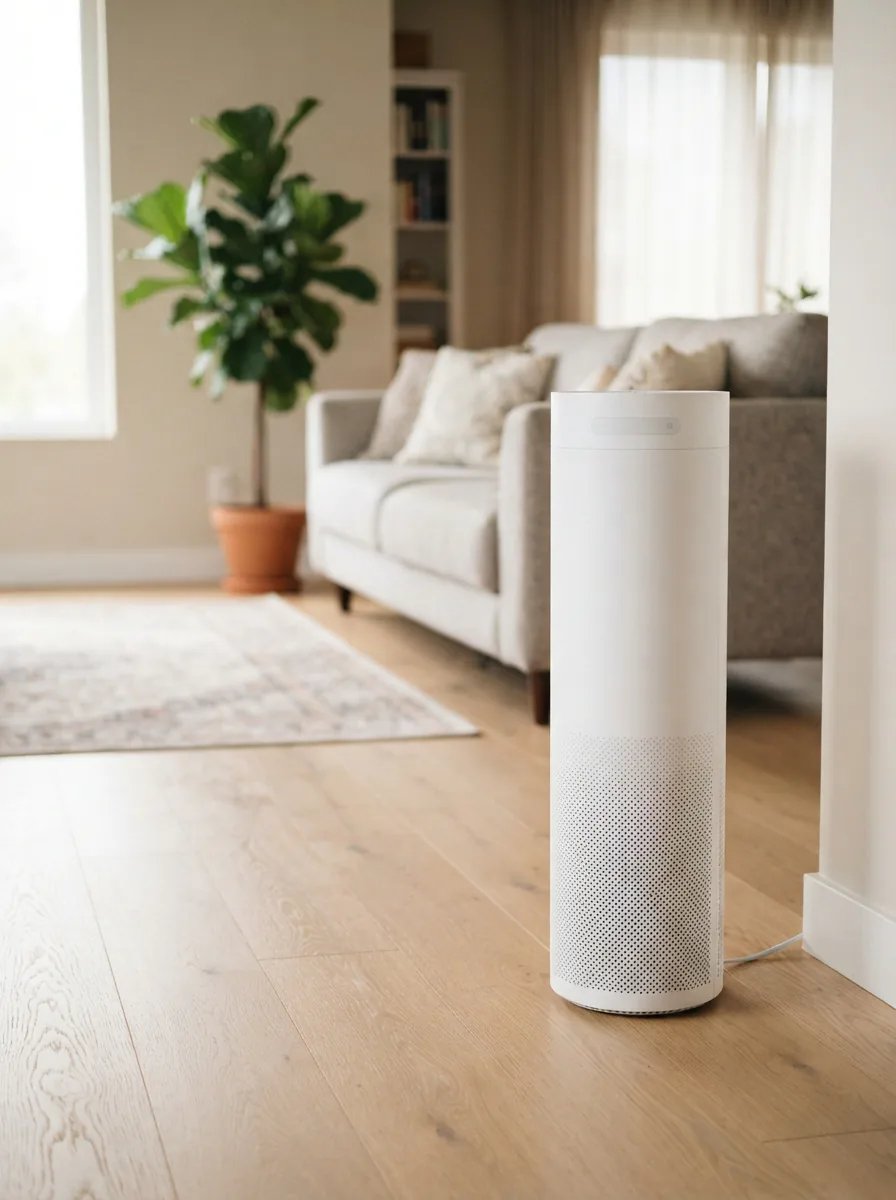
Large or split-level homes often need one capable unit rather than several small ones. A whole-home sized purifier placed where air circulates most freely covers more of the floor, and sensor-driven auto mode keeps it responsive as doors open and rooms fill.
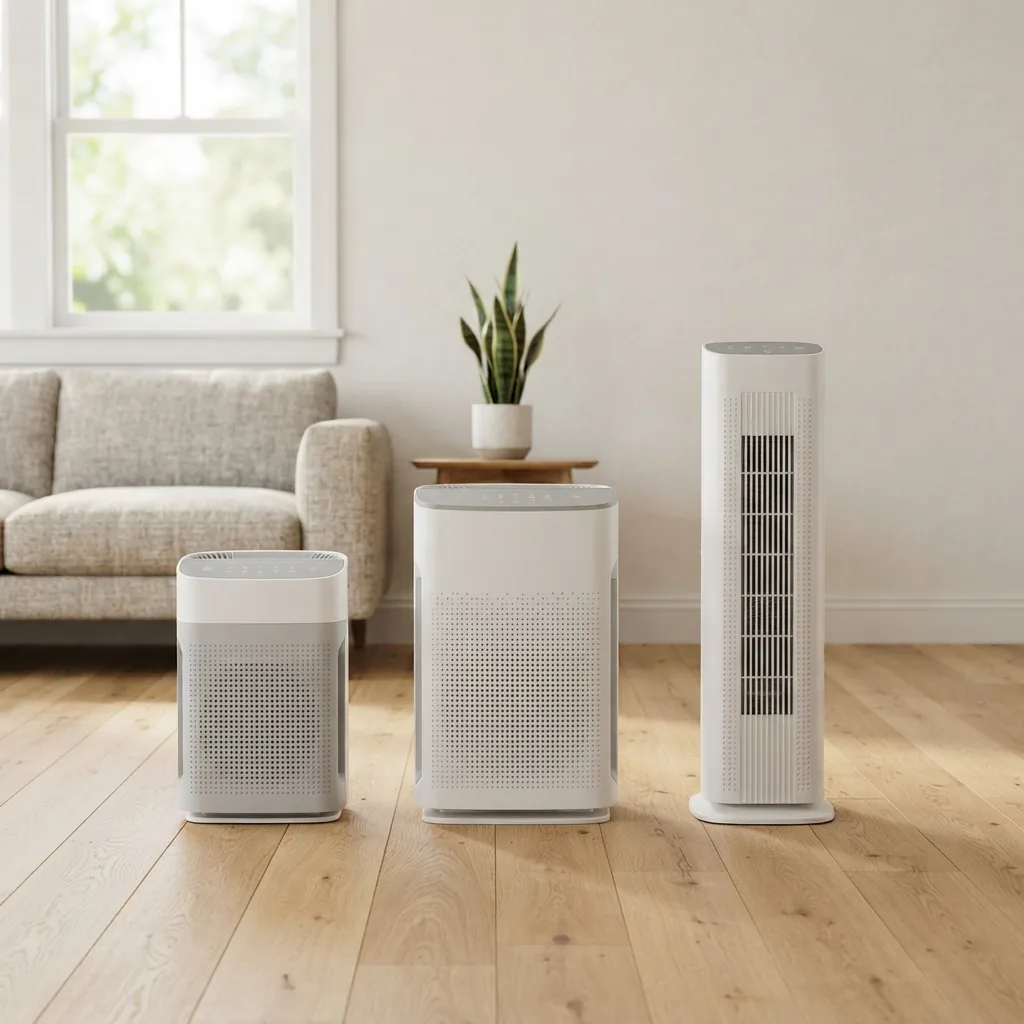
Match rated room size to where the unit will actually run day to day.
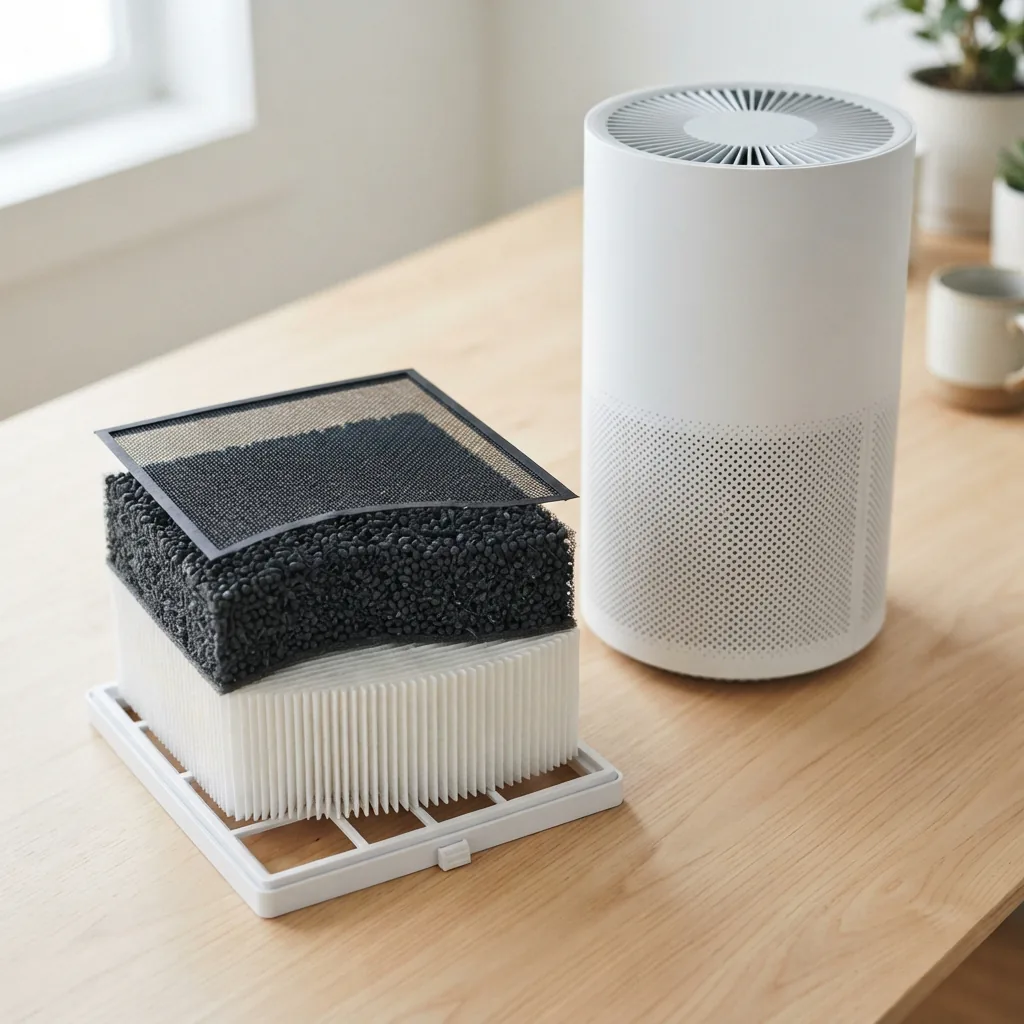
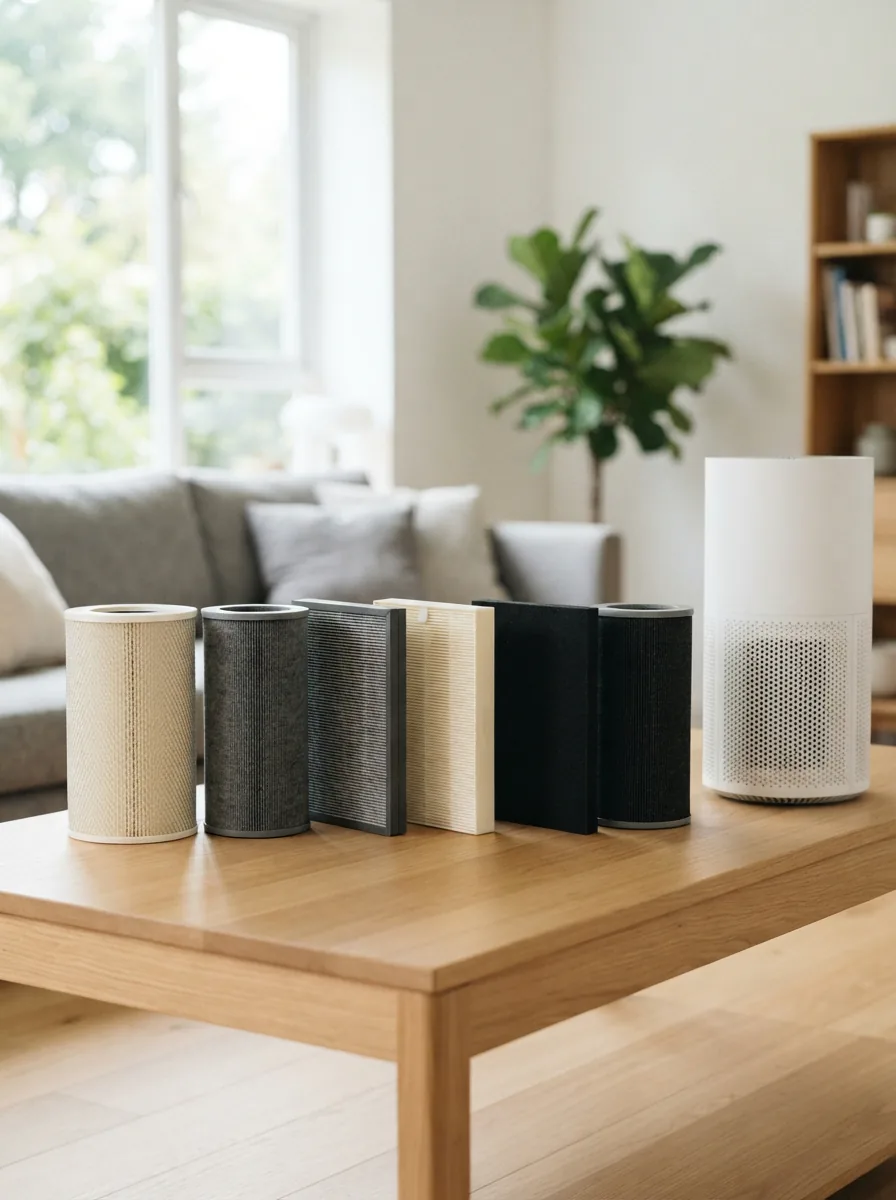
Three-stage models handle dust and odors; four-stage adds carbon depth.
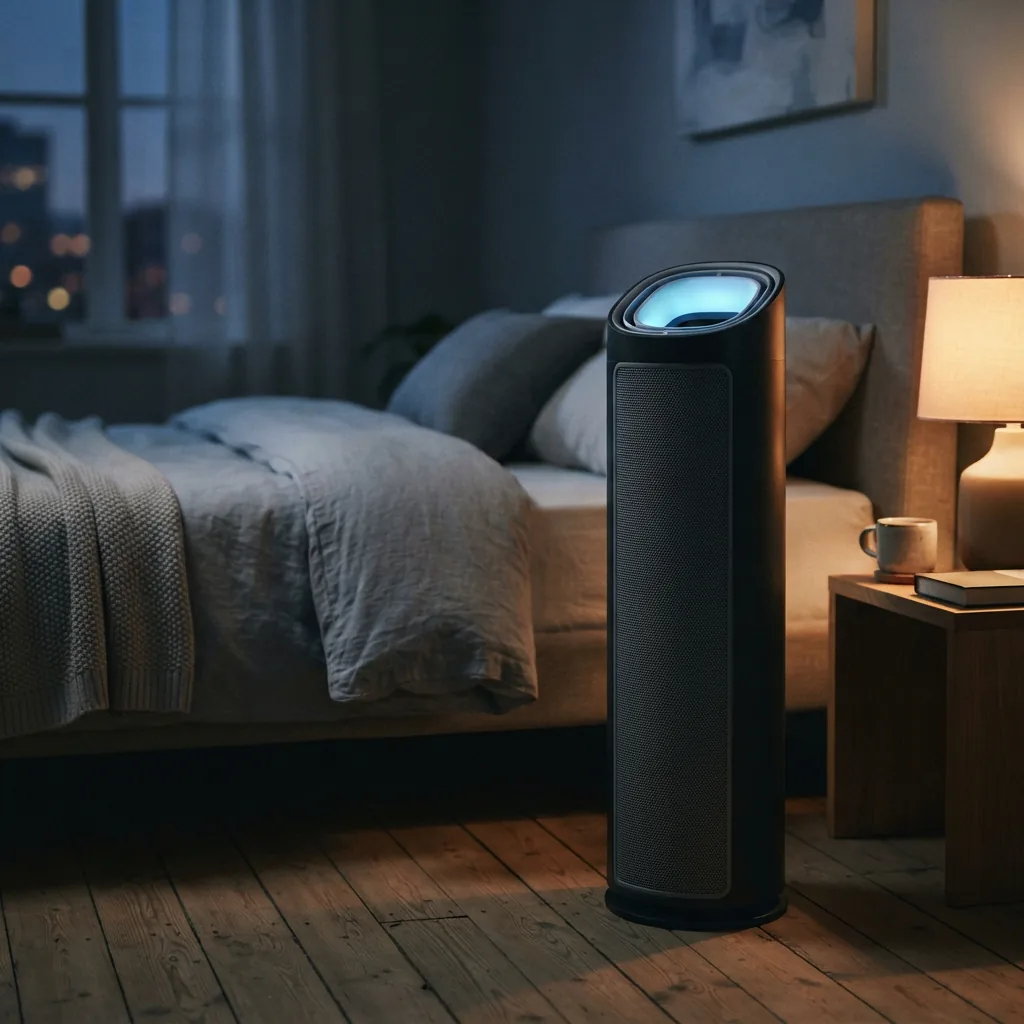
PlasmaWave ionizes pollutants while producing much lower ozone output.
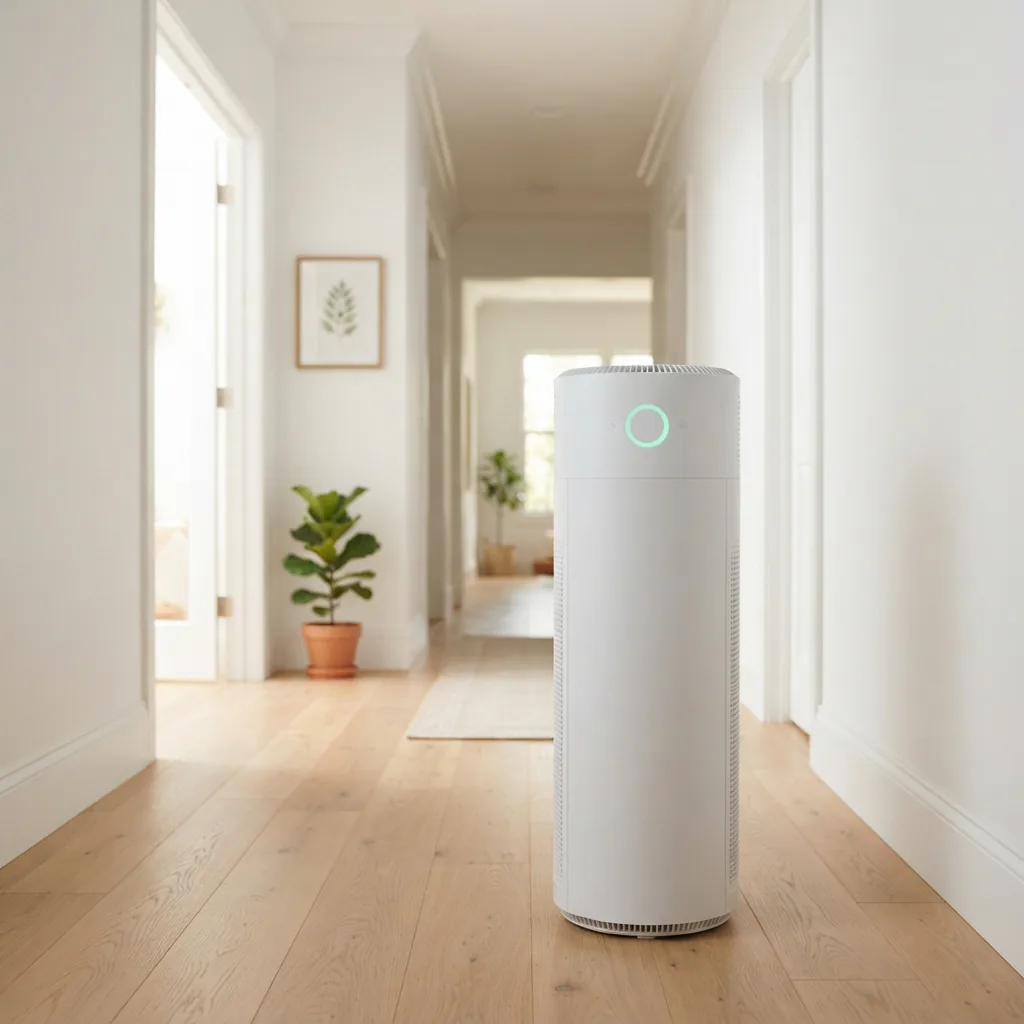
Auto mode lets the air sensor adjust fan speed so you set it once.
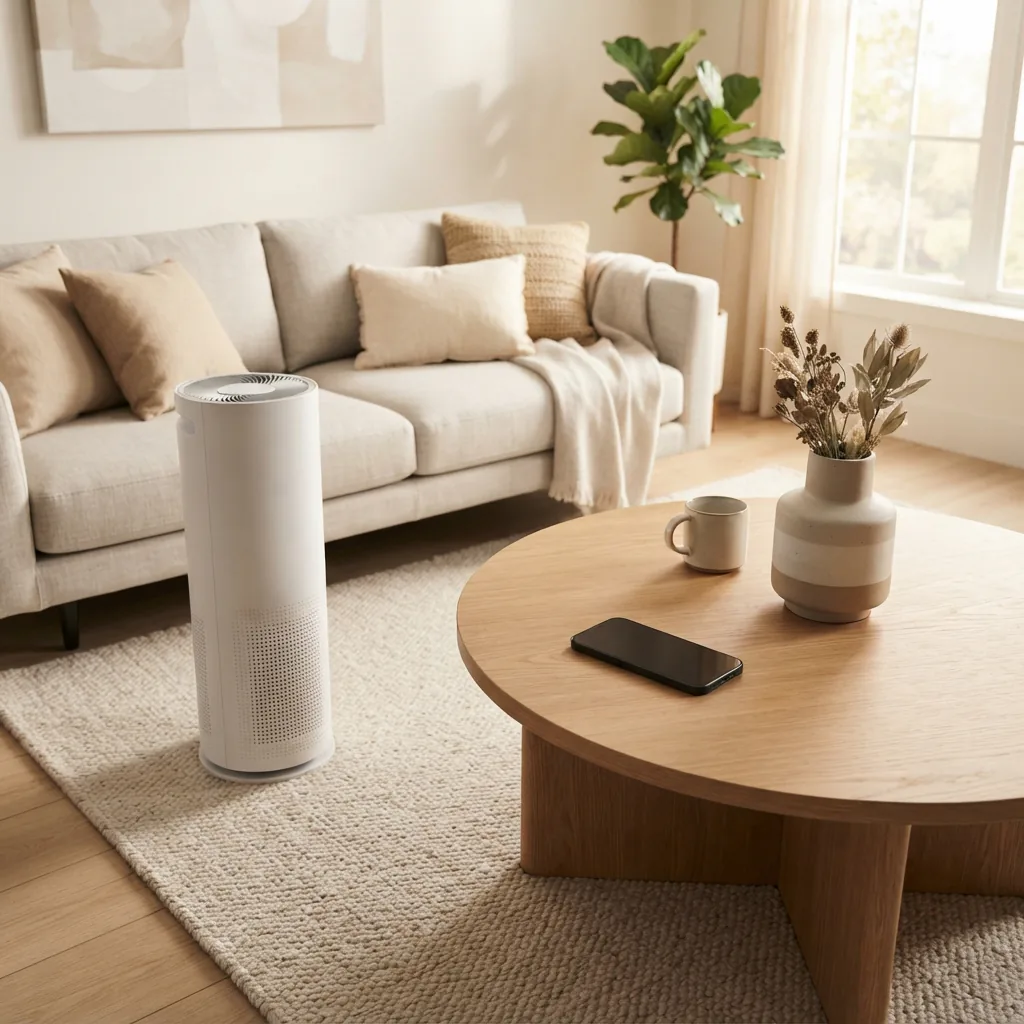
WiFi lets you check air quality and adjust settings from your phone.
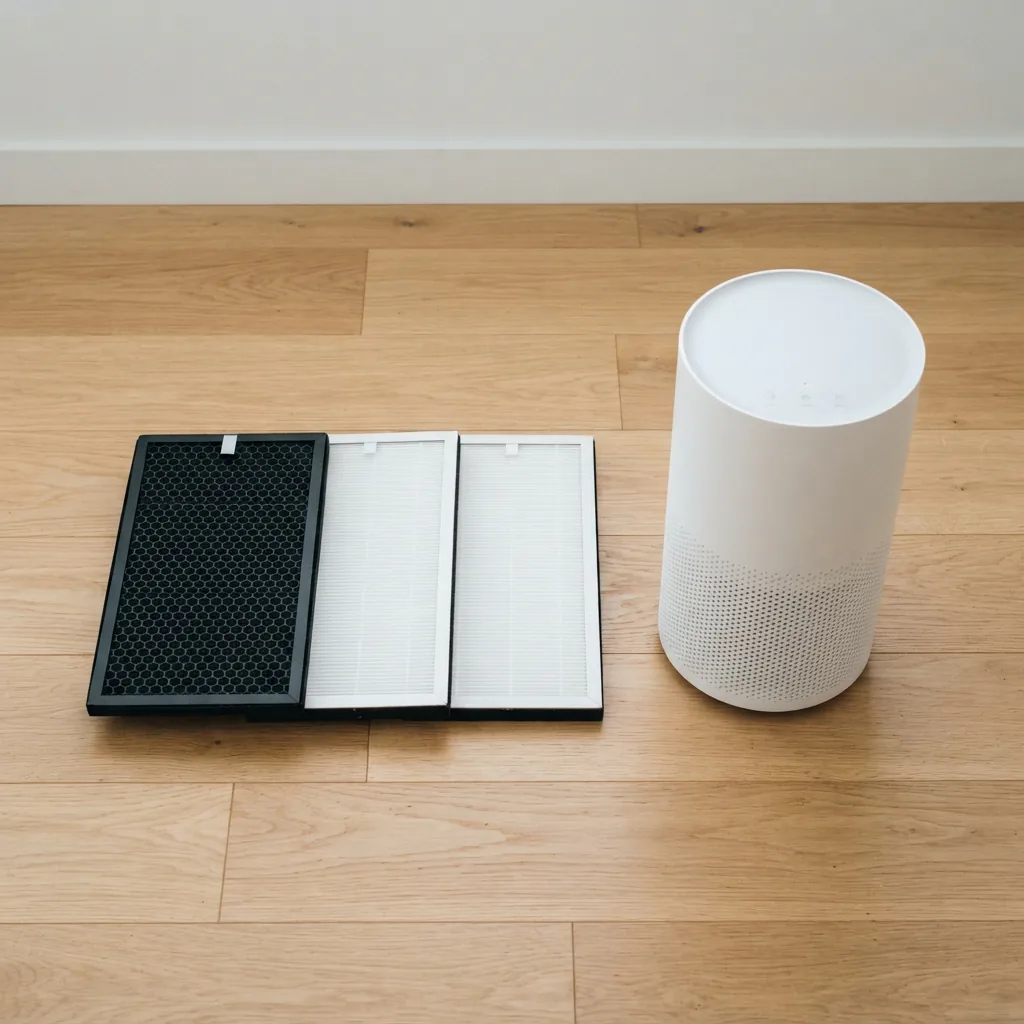
Replacement filter price matters more than the purchase price over years.