
Cleaner air you can trust—True HEPA filtration, PlasmaWave technology, and smart air quality sensing at a fair price.
Cleaner air you can trust—True HEPA filtration, PlasmaWave technology, and smart air quality sensing at a fair price.
A bedroom runs the purifier for hours while everyone sleeps, so filter performance shows up directly in how the room feels at 6am. A True HEPA stage handles pollen and dust that drifts in overnight, while carbon keeps the air from feeling stale. Expect the swap to matter most in spring and fall.
Shedding pets load both the pre-filter and the HEPA stage faster than in pet-free homes. Rinse the mesh screen every week or two so hair and dander never reach the carbon layer, and replace the main filter closer to eight or nine months if the air quality sensor stays on a higher setting.
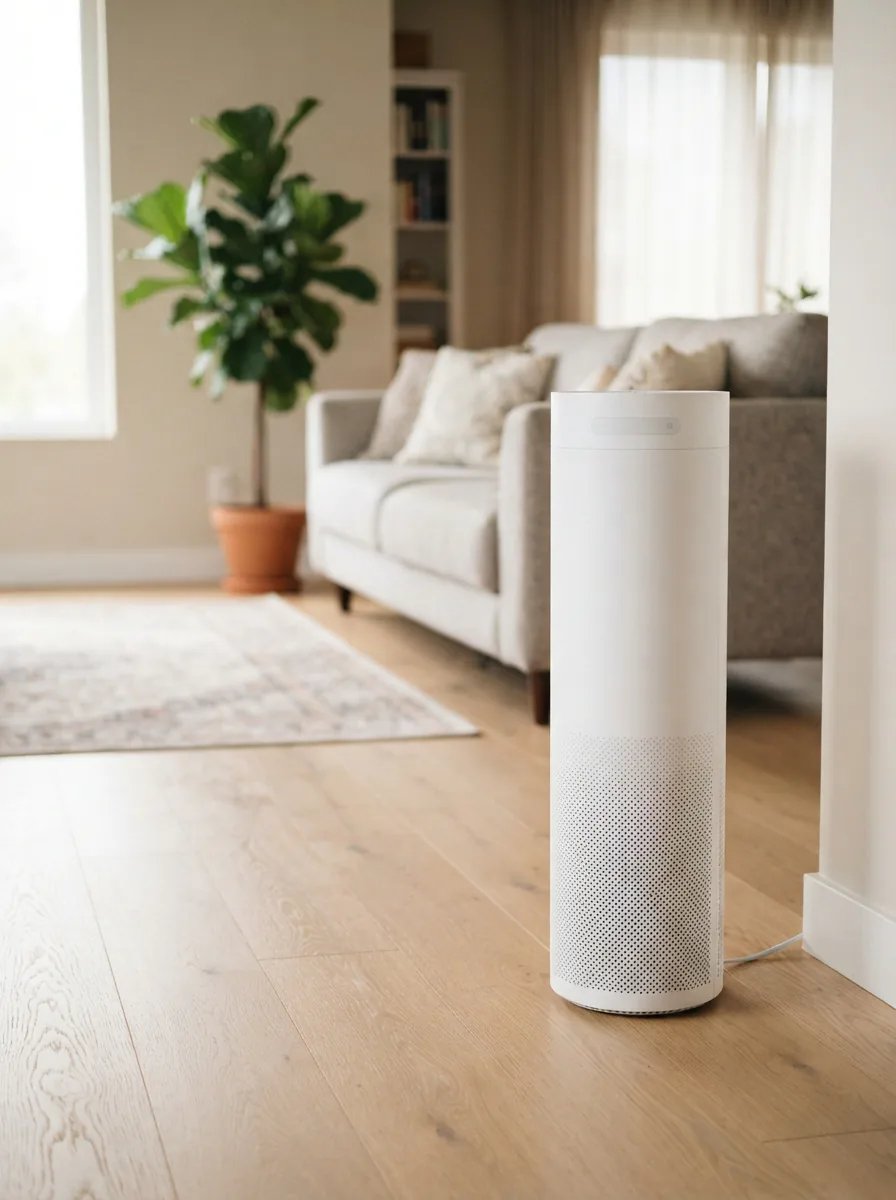
Cooking smoke, frying odors and trash smells are carbon problems rather than particle problems. Placing the purifier near the kitchen and running it on auto mode lets the sensor pull the fan up during cooking, then settle back once the carbon layer has absorbed the smell and the room clears.

Wildfire haze and heavy outdoor smoke push fine particles indoors faster than usual, so the True HEPA stage does most of the work. Keep the windows shut, run the unit on auto mode and expect to replace the filter sooner than the annual cycle if the air stays hazy for days at a time.
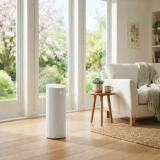
Pollen season loads the HEPA stage with fine particles that would otherwise cycle through the room all day. Set the unit to auto mode in the room you use most, keep windows closed on high-pollen mornings, and plan the replacement before the season starts rather than after symptoms appear.
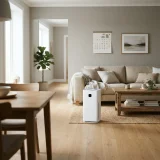
Busy households benefit most from a simple maintenance habit: rinse the pre-filter every week or two, note the annual cartridge change on a calendar, and buy in a pack so a fresh filter is always on hand. Consistent upkeep keeps the sensor readings and airflow steady through the whole year.
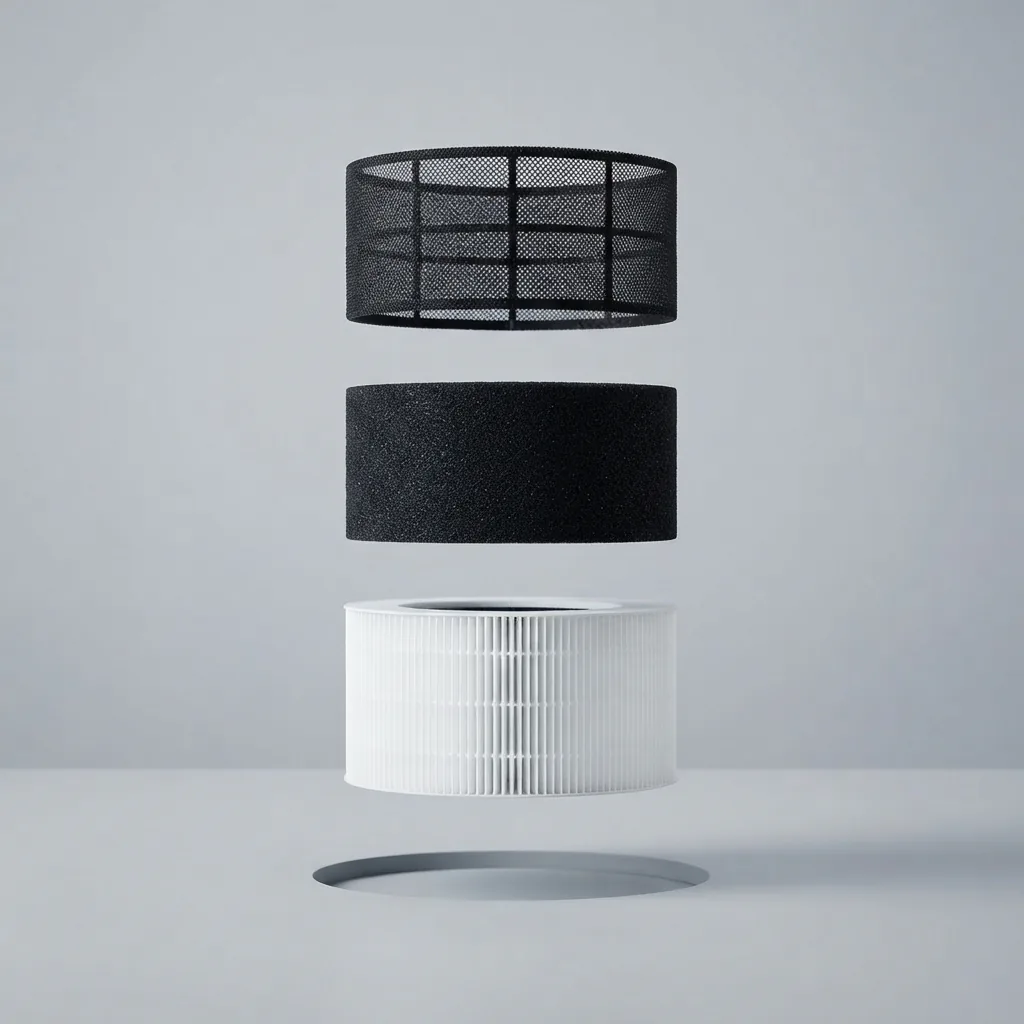
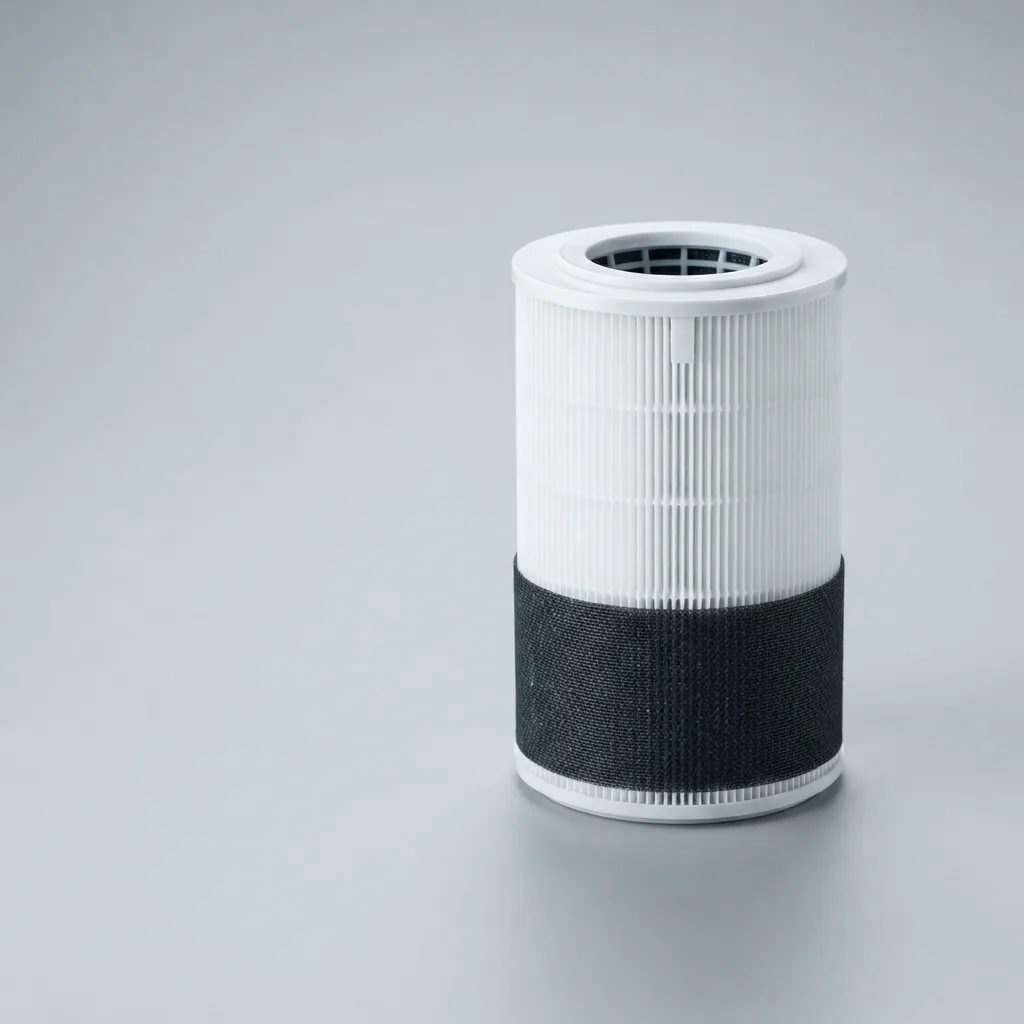
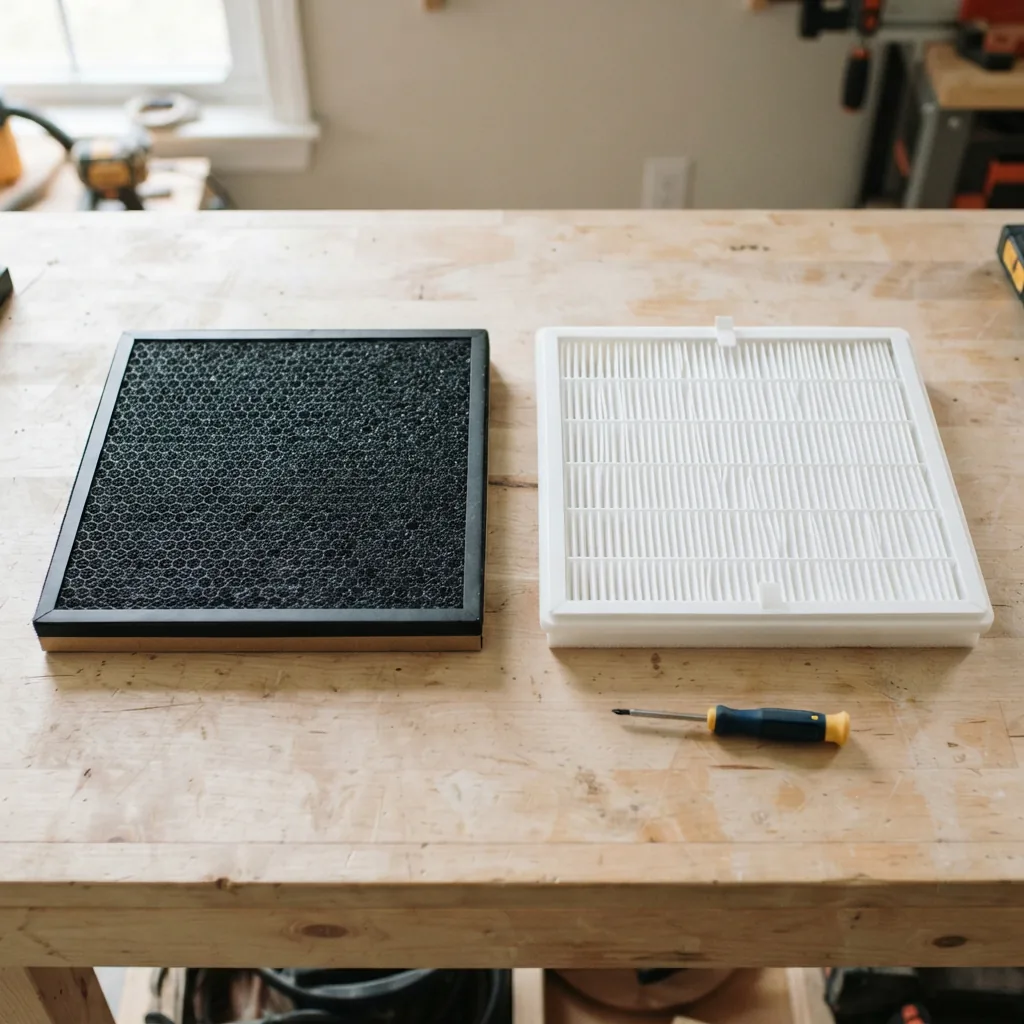
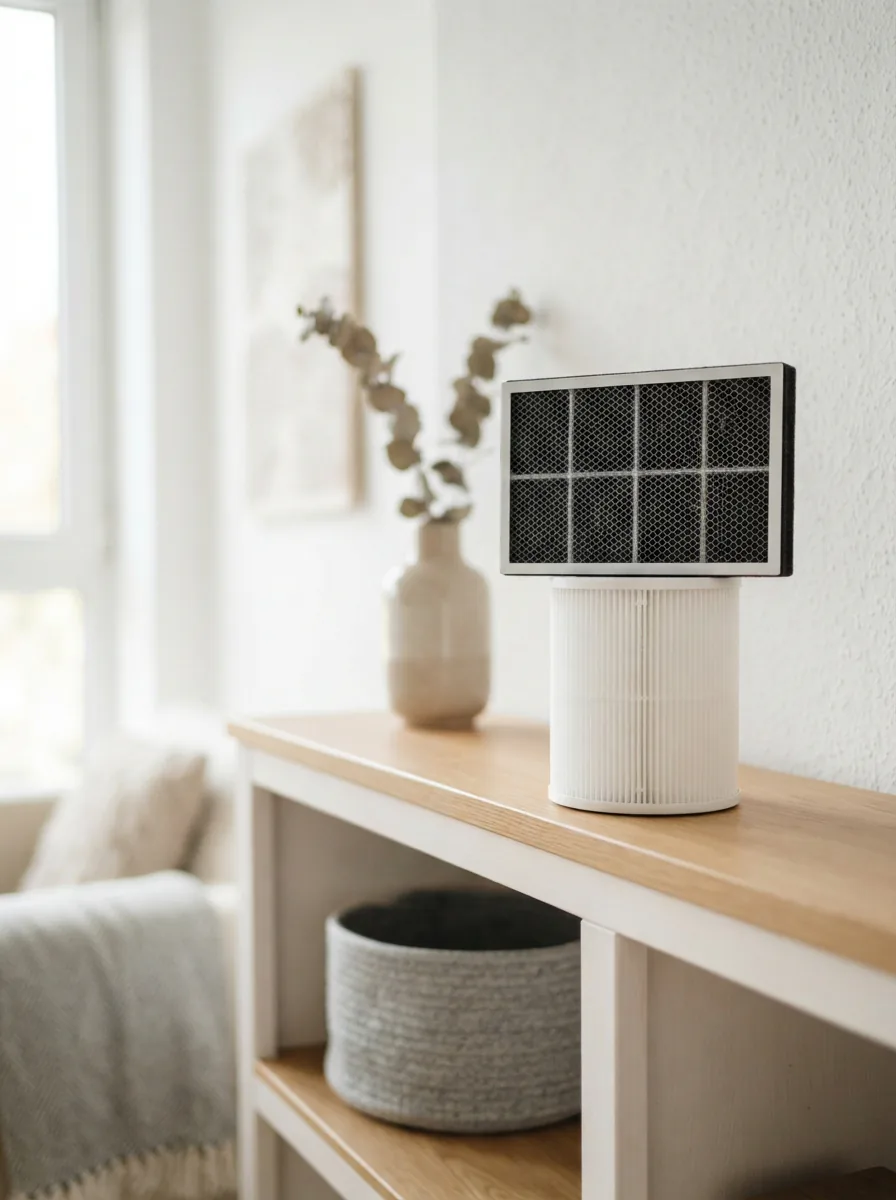
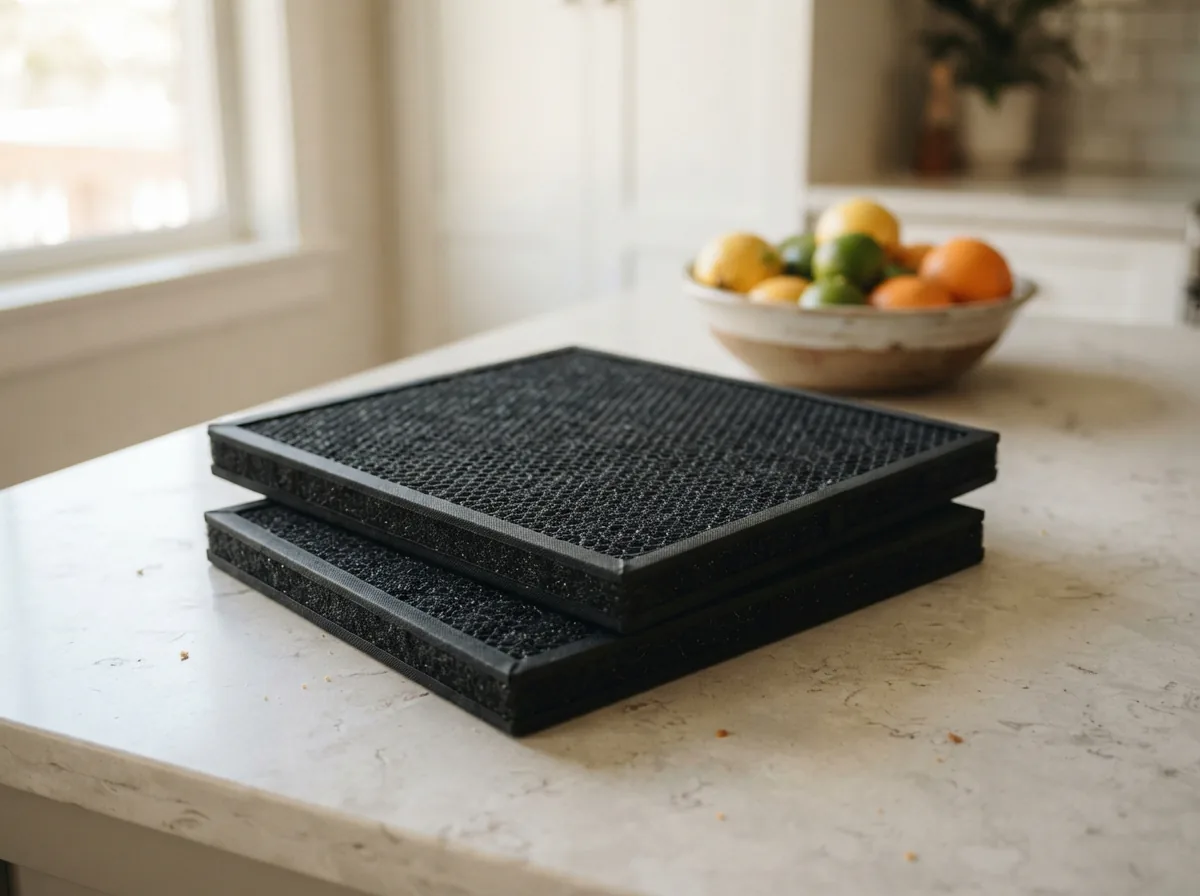
A cartridge rebuilds three layers; one part covers just that stage.
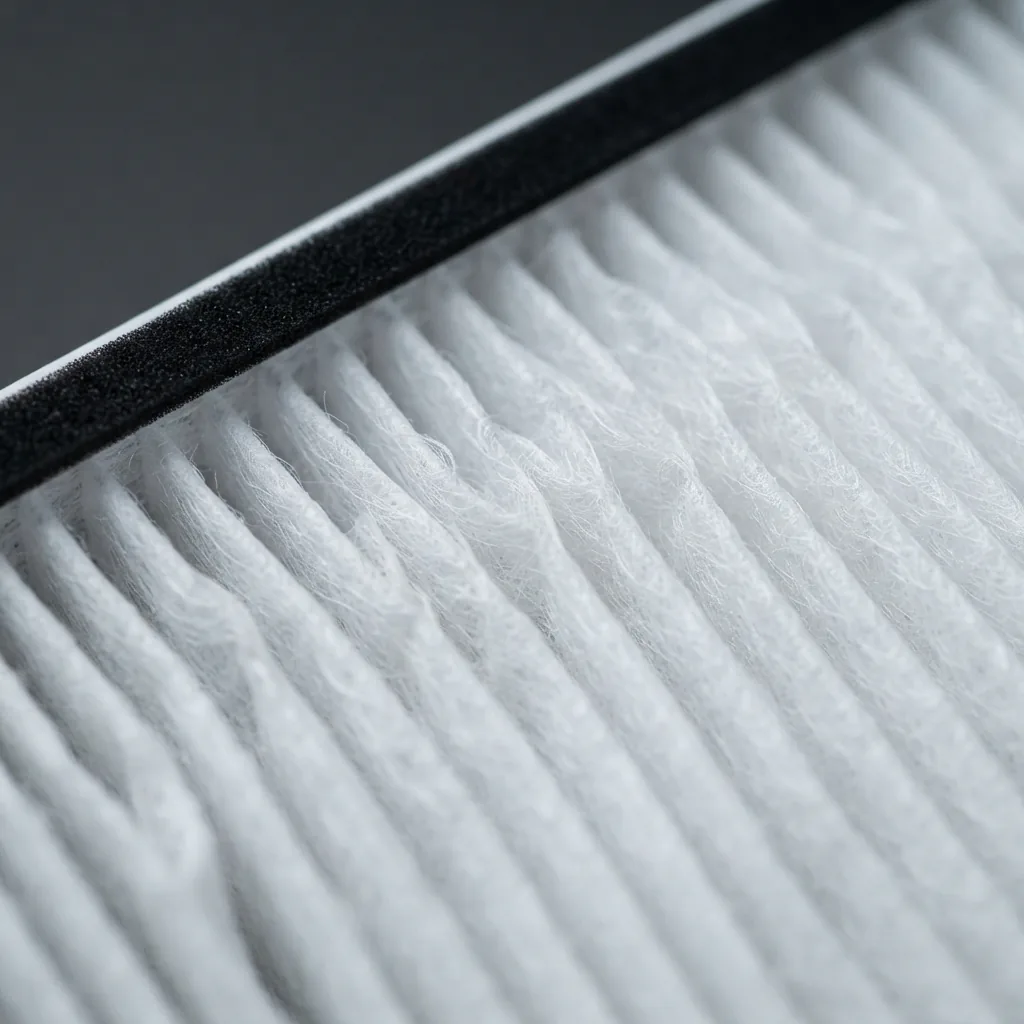
True HEPA H13 layers capture 99.97% of particles down to 0.3 microns.
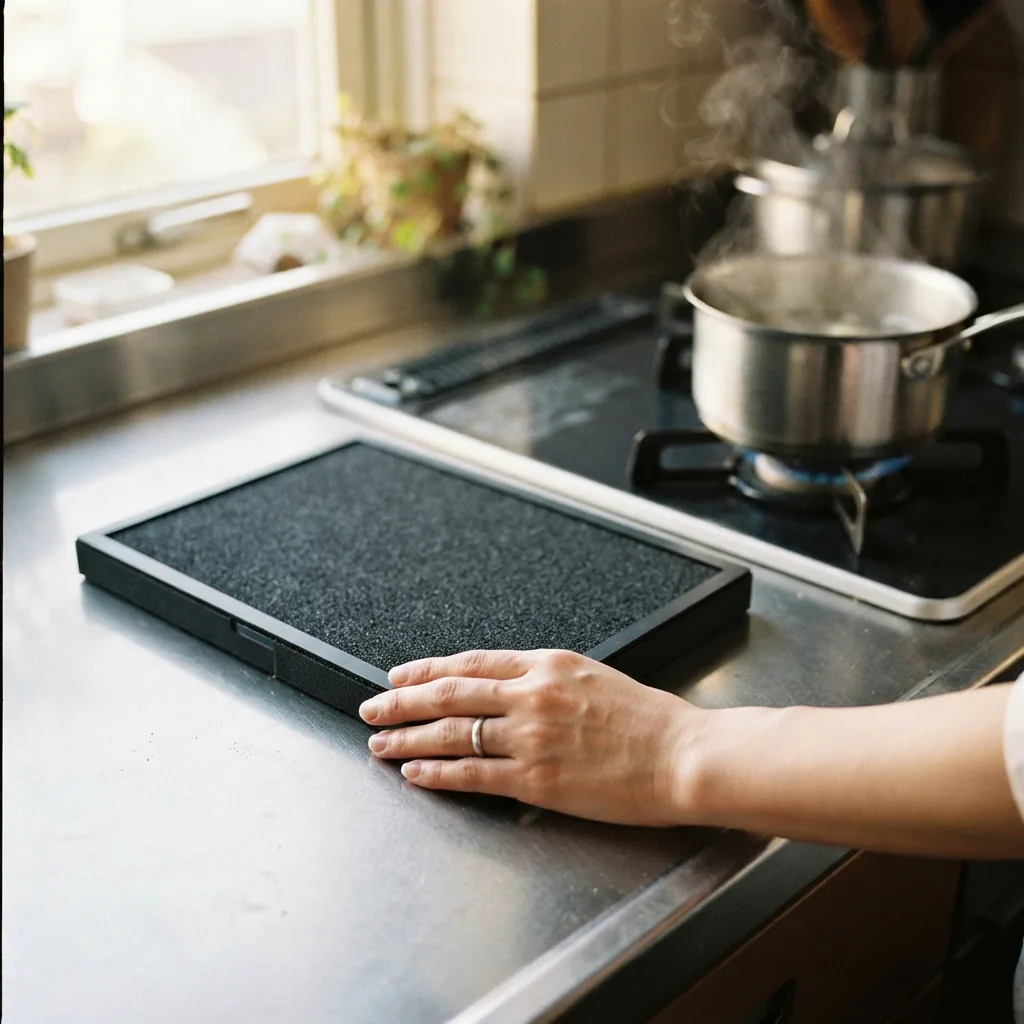
Carbon handles cooking, pet and litter odors that a HEPA layer cannot.
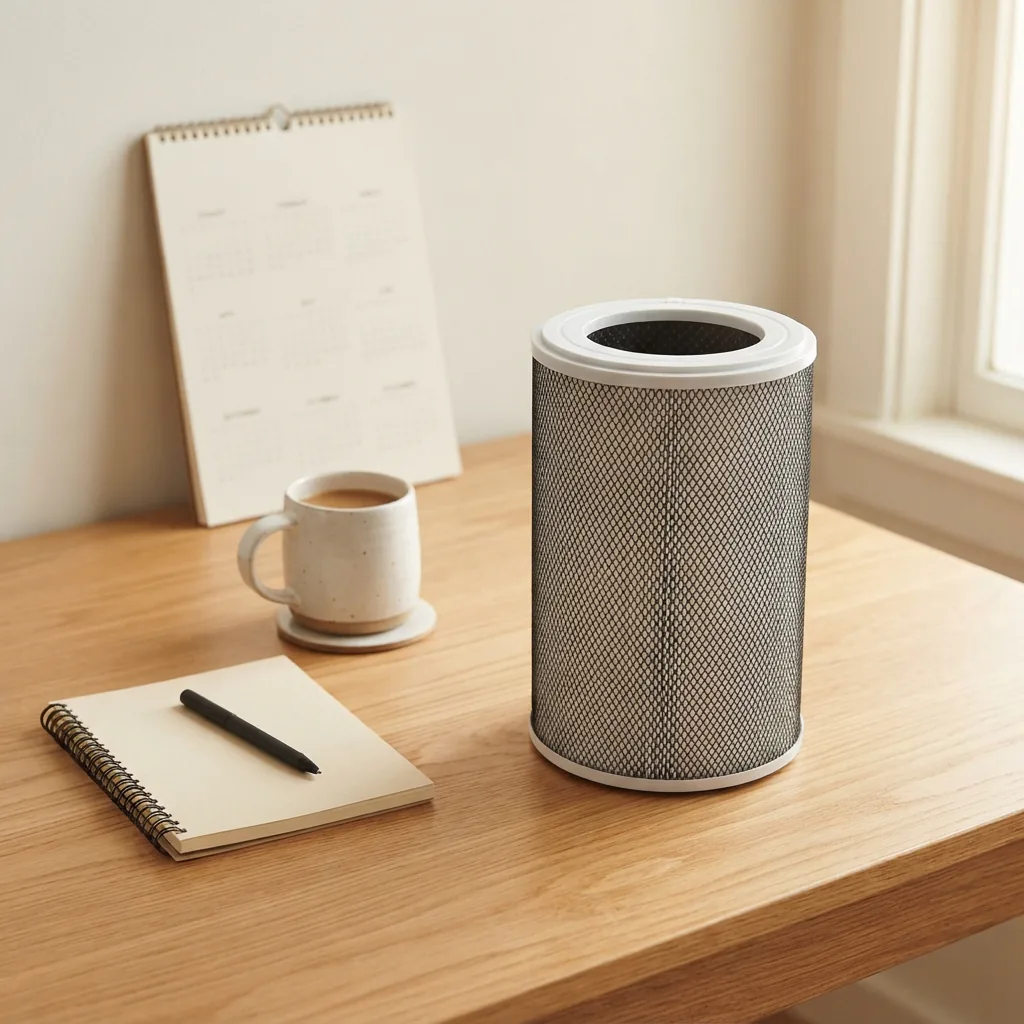
A once-a-year swap keeps the sensor honest and the running cost steady.
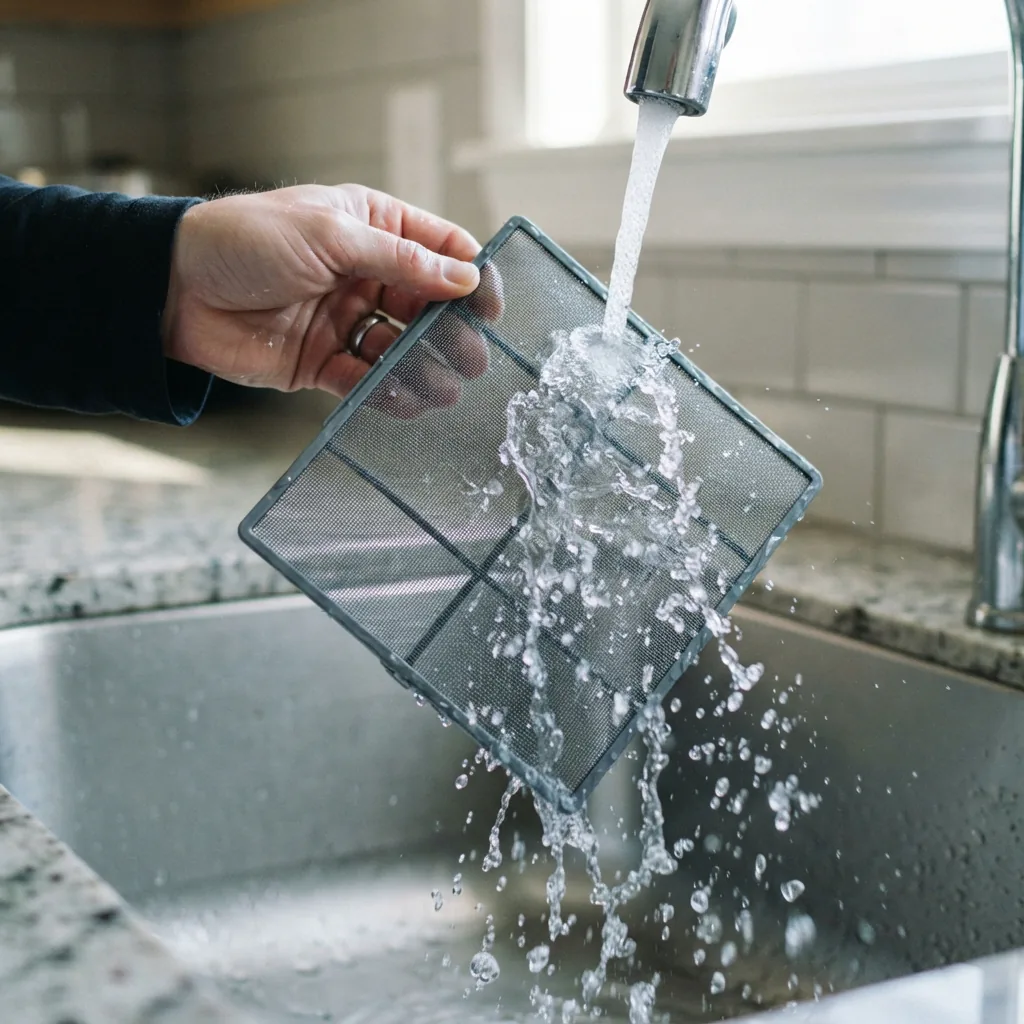
A weekly rinse protects the layers beneath from clogging early.
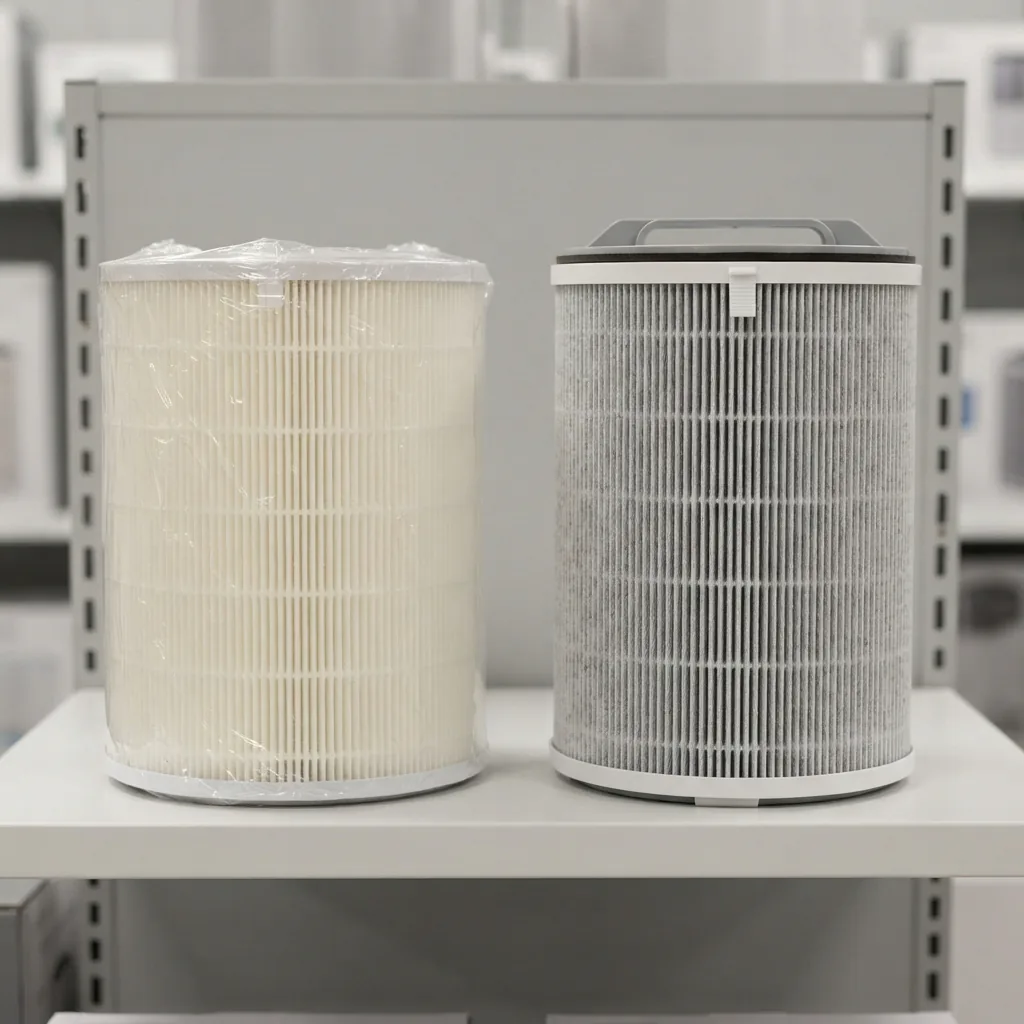
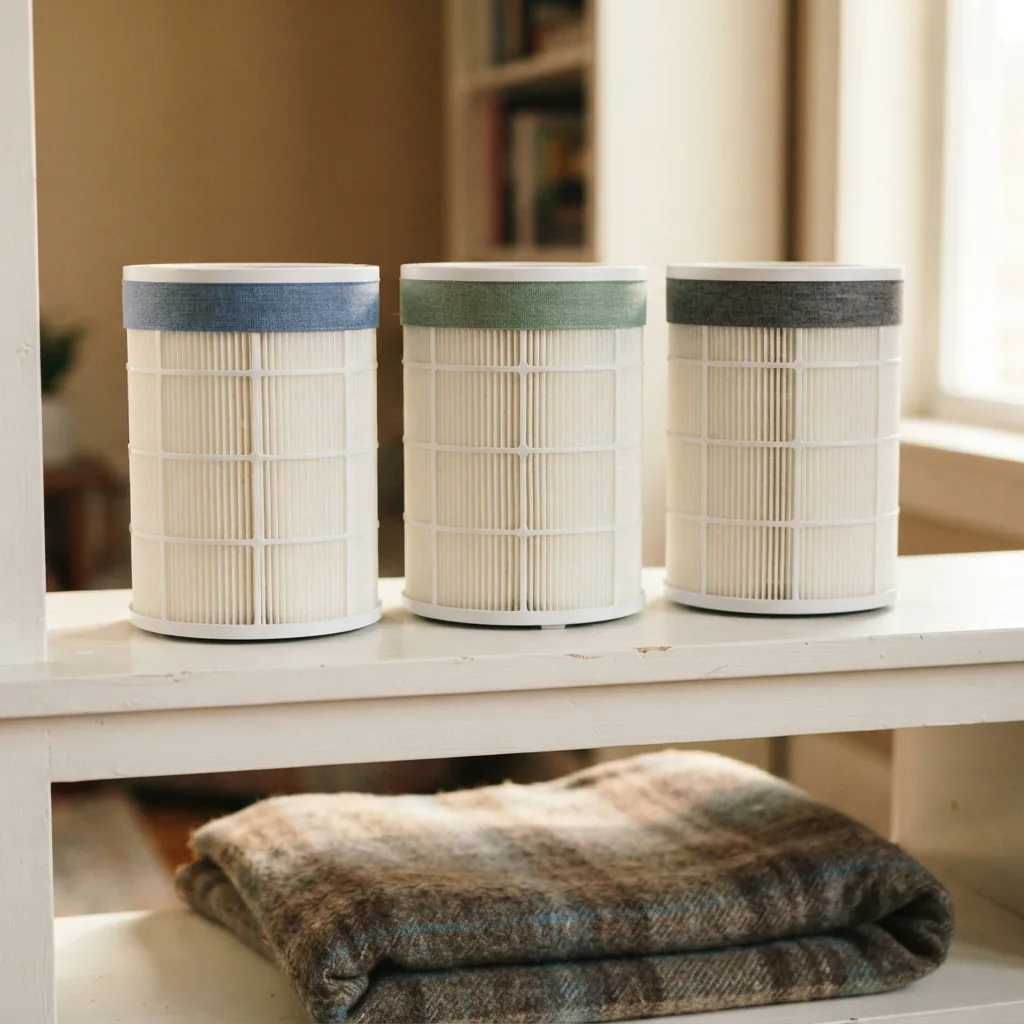
Bundled packs cost more up front but spare you a mid-season rush order.