
Cleaner air you can trust—True HEPA filtration, PlasmaWave technology, and smart air quality sensing at a fair price.
Cleaner air you can trust—True HEPA filtration, PlasmaWave technology, and smart air quality sensing at a fair price.
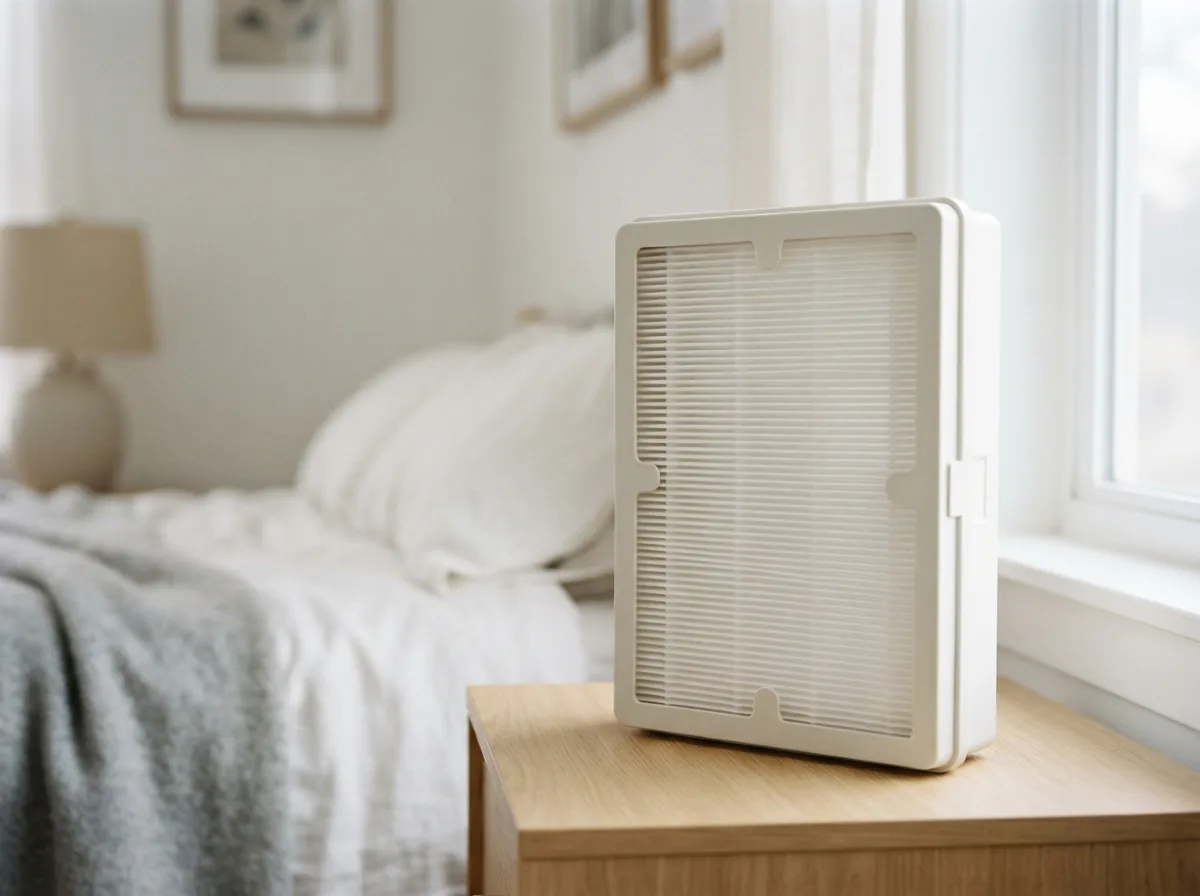

Pollen counts climb in spring and again in fall, and a bedroom window lets that load settle on bedding overnight. A guard-focused filter keeps capture strong through the worst weeks, so mornings start with clearer air instead of a stuffy, irritated nose.

Hair and dander are heavier than pollen and cycle through the intake all day. A pet-focused filter with the right fit keeps living rooms smelling fresher and cuts the visible dust that collects on vents and shelves between your usual cleanings.
Frying, grilling and burnt pans push fine particles and strong odors into the air fast. A smoke-focused filter with the carbon stage already in the unit keeps the smell from drifting into the dining area and settles it before guests notice.

Open floor plans and daily traffic stir up a steady supply of household dust, especially in rooms with carpet. A standard particle filter on the correct fit holds the baseline steady, so shelves and surfaces stay cleaner between your usual weekly wipe-downs.

When several units run through the house, running cost matters as much as capture. Buying matched filters across bedrooms and hallways, and choosing value sizes where needs are basic, keeps yearly maintenance predictable without weakening the rooms that need the most.

Older units still clean air well when the filter is fresh, and the cheapest per-change option keeps them in service. Value filters handle common indoor pollutants at a lower cost, which makes sense for utility rooms and spare bedrooms where loads stay light.
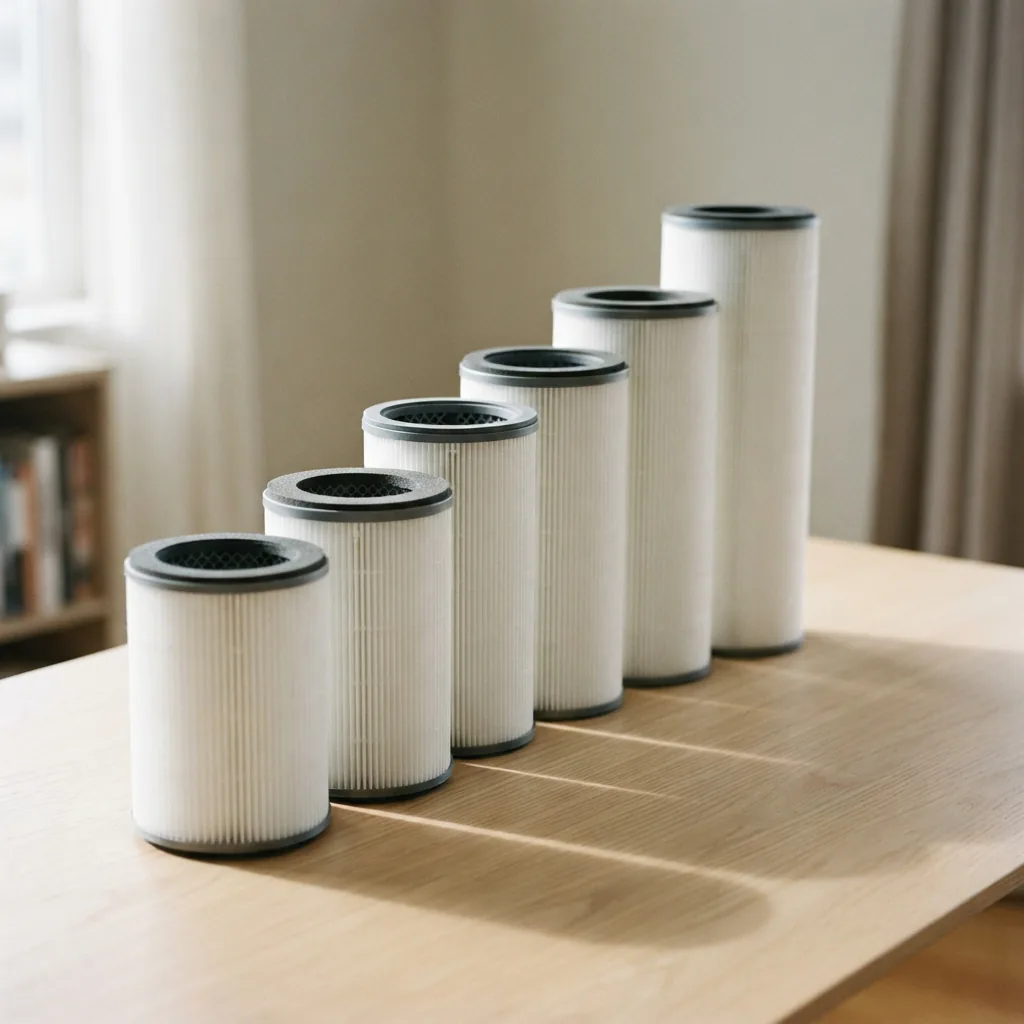
Your purifier's letter tells you which filters physically fit.
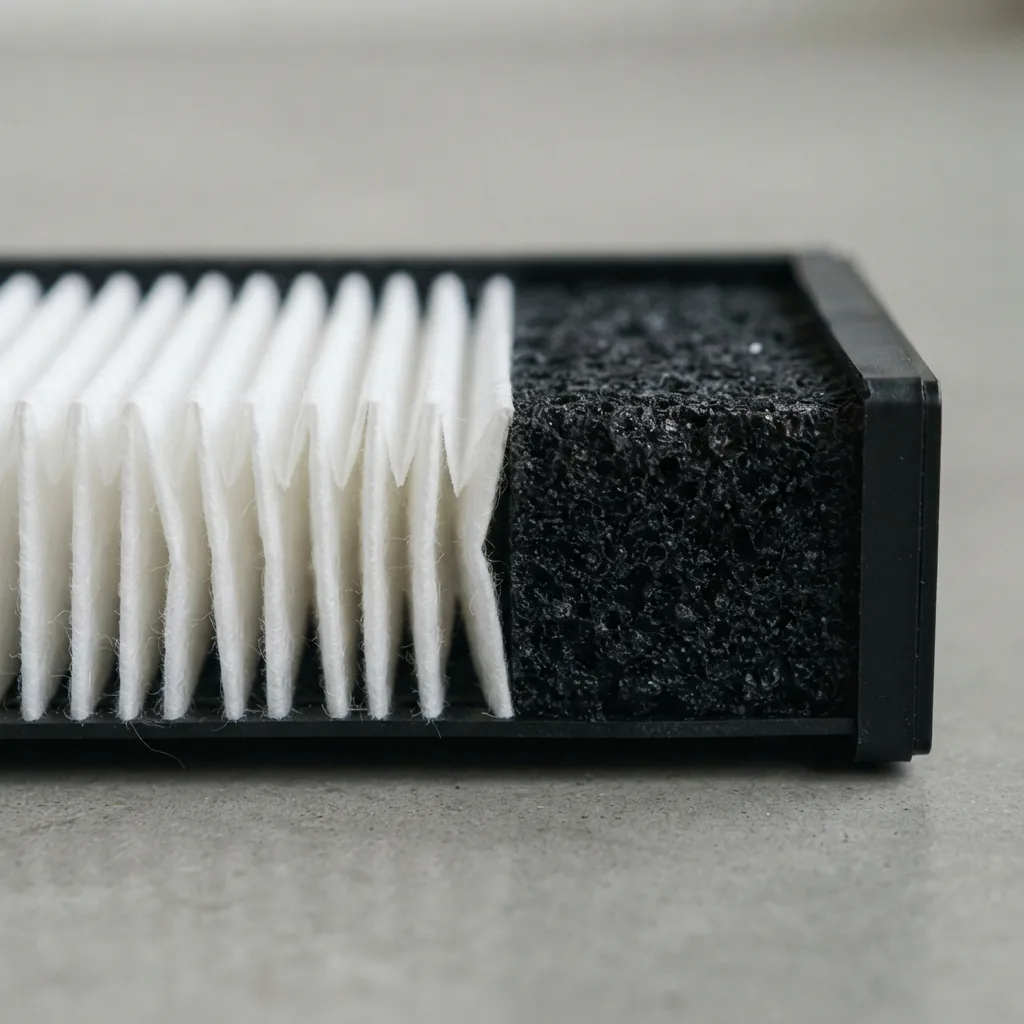
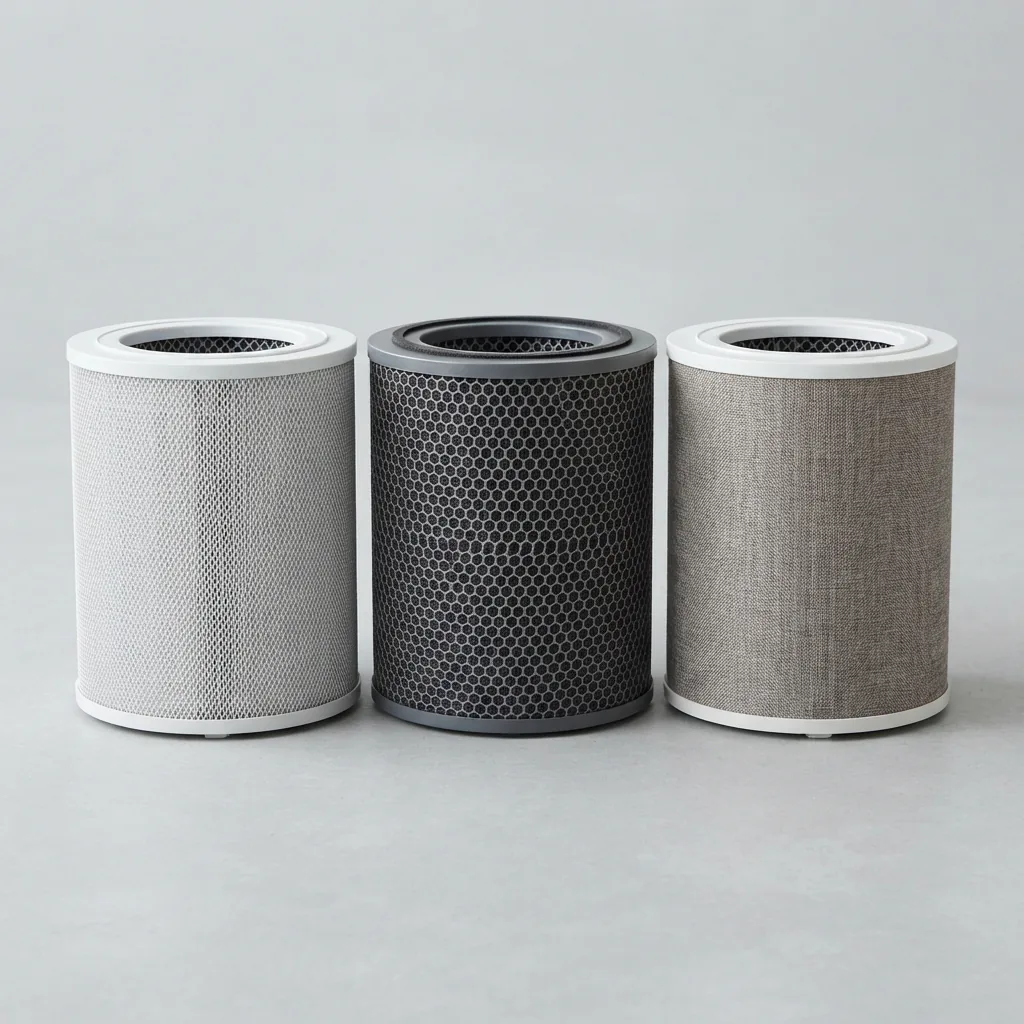
Guard versions differ by the pollutant each one is built to target.
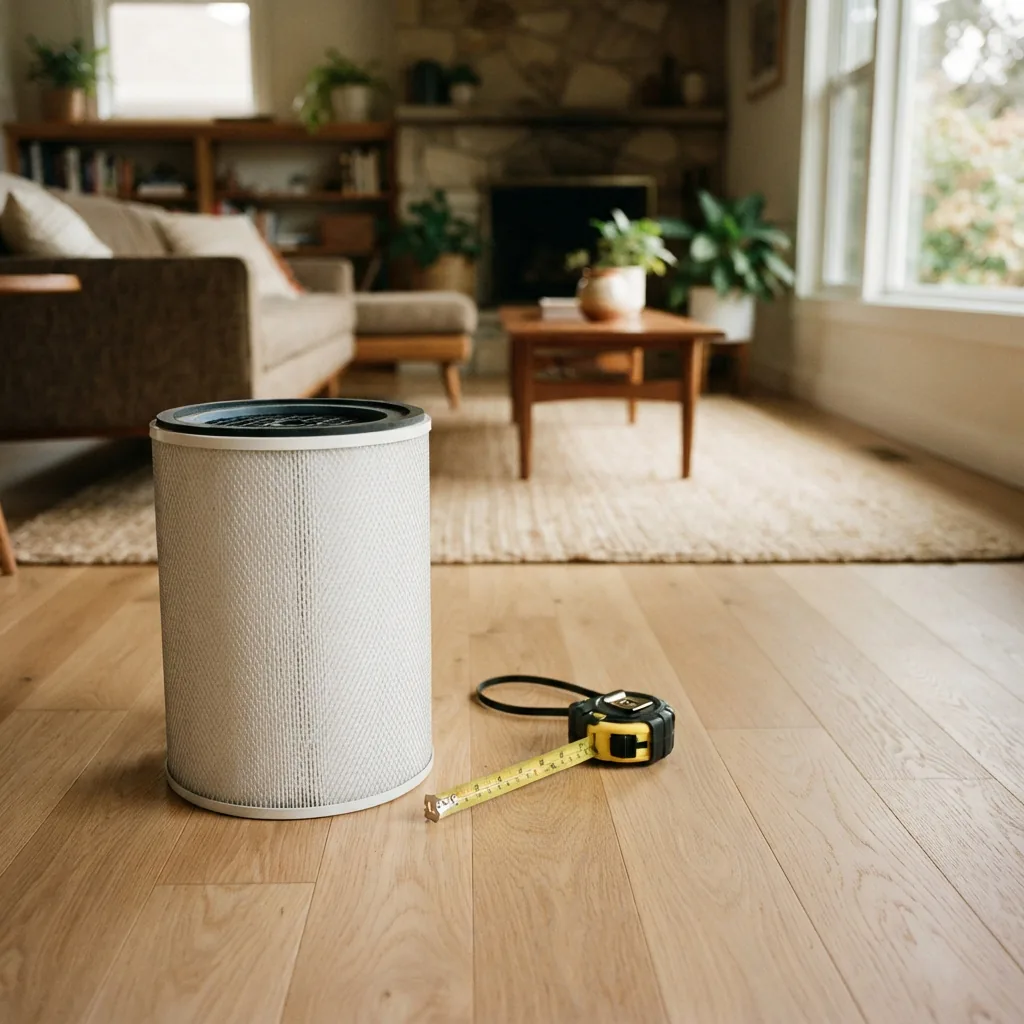
Larger rooms need a filter sized for stronger, faster air movement.
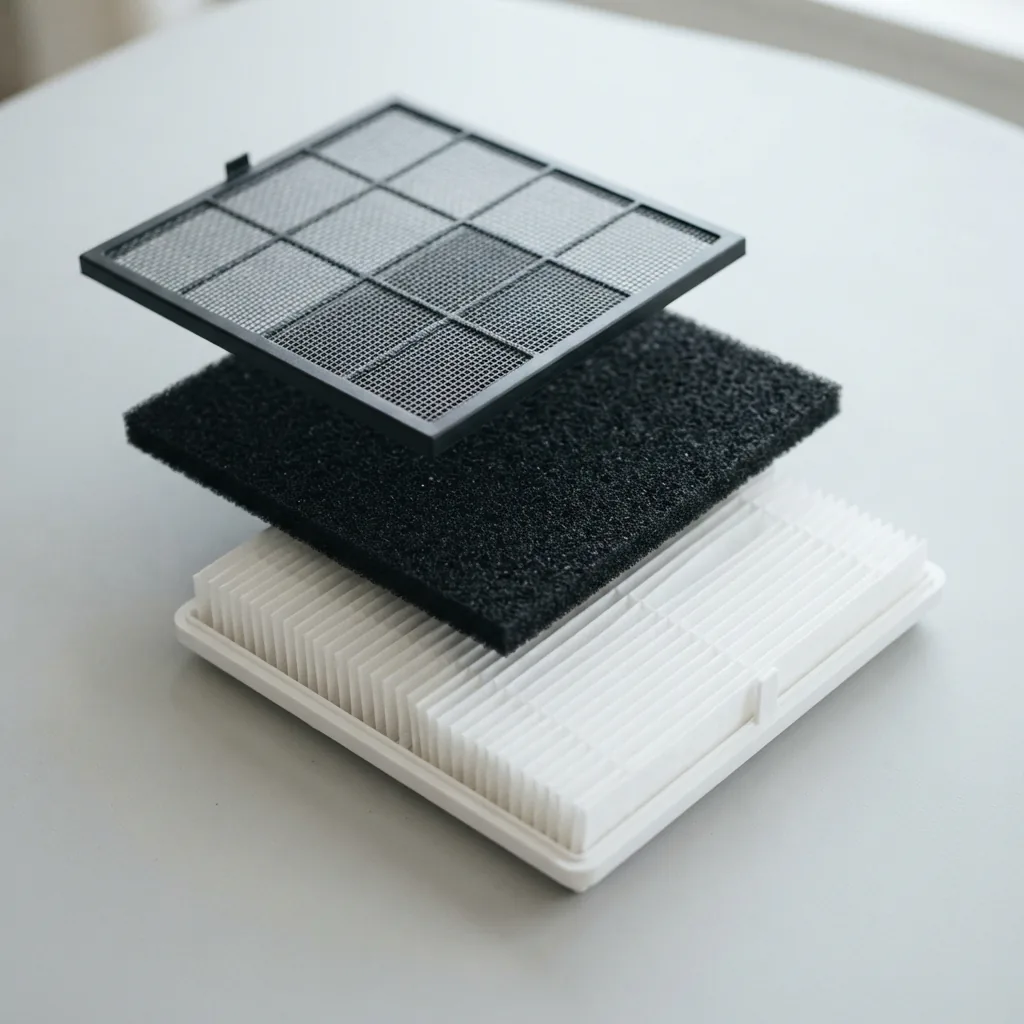
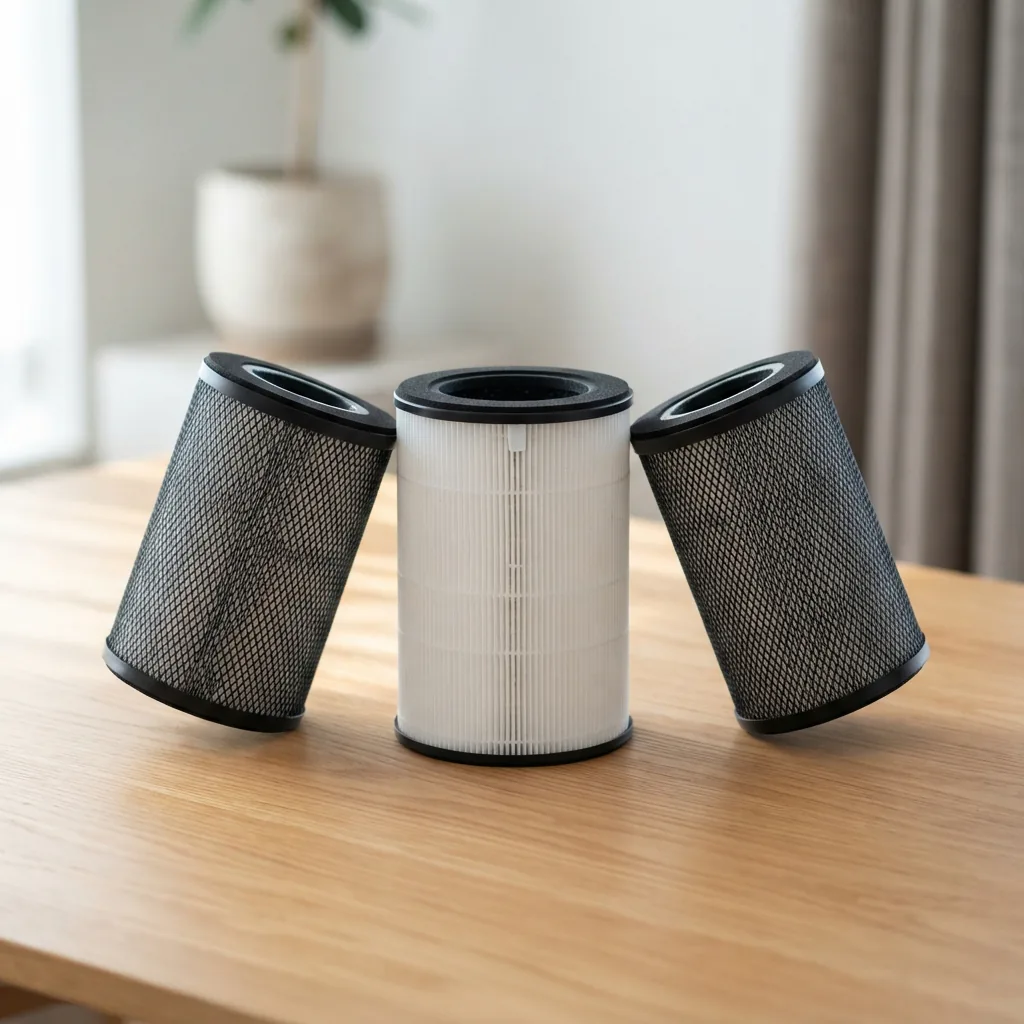
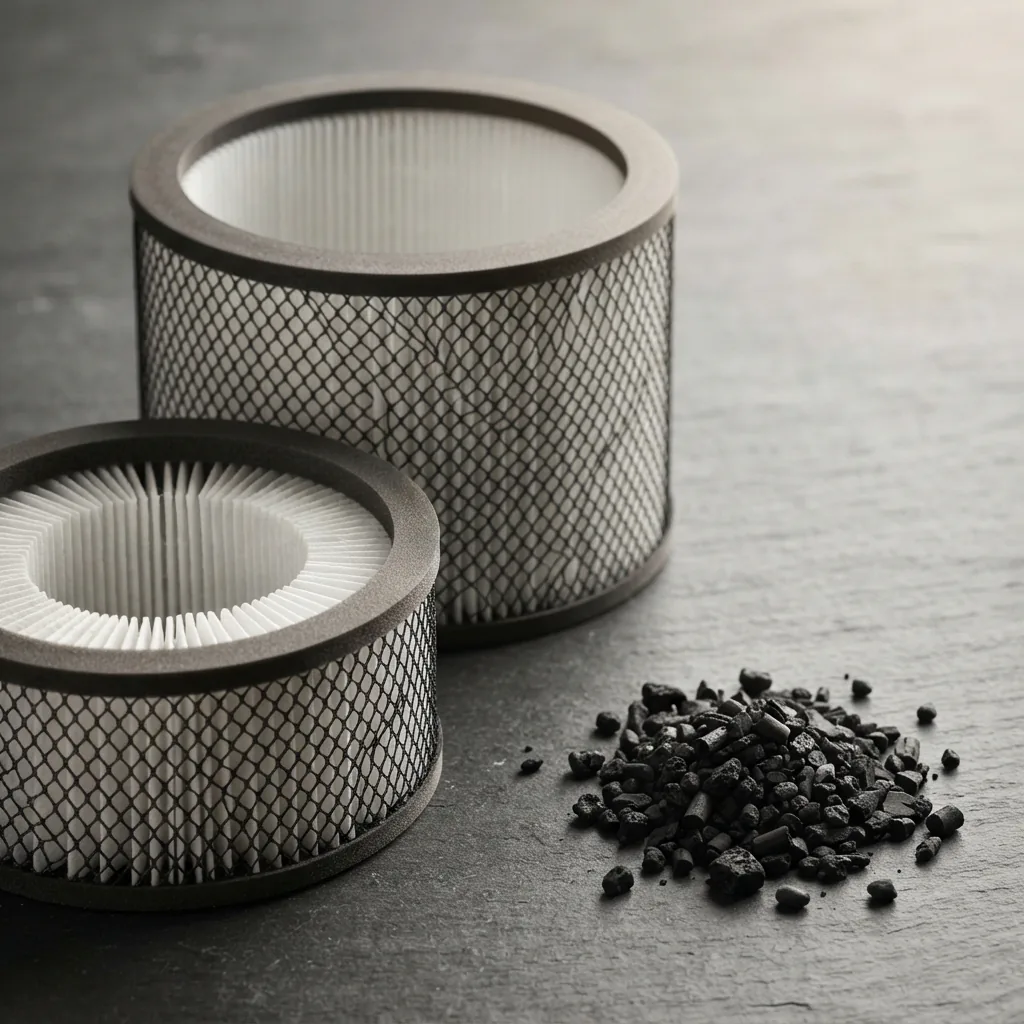
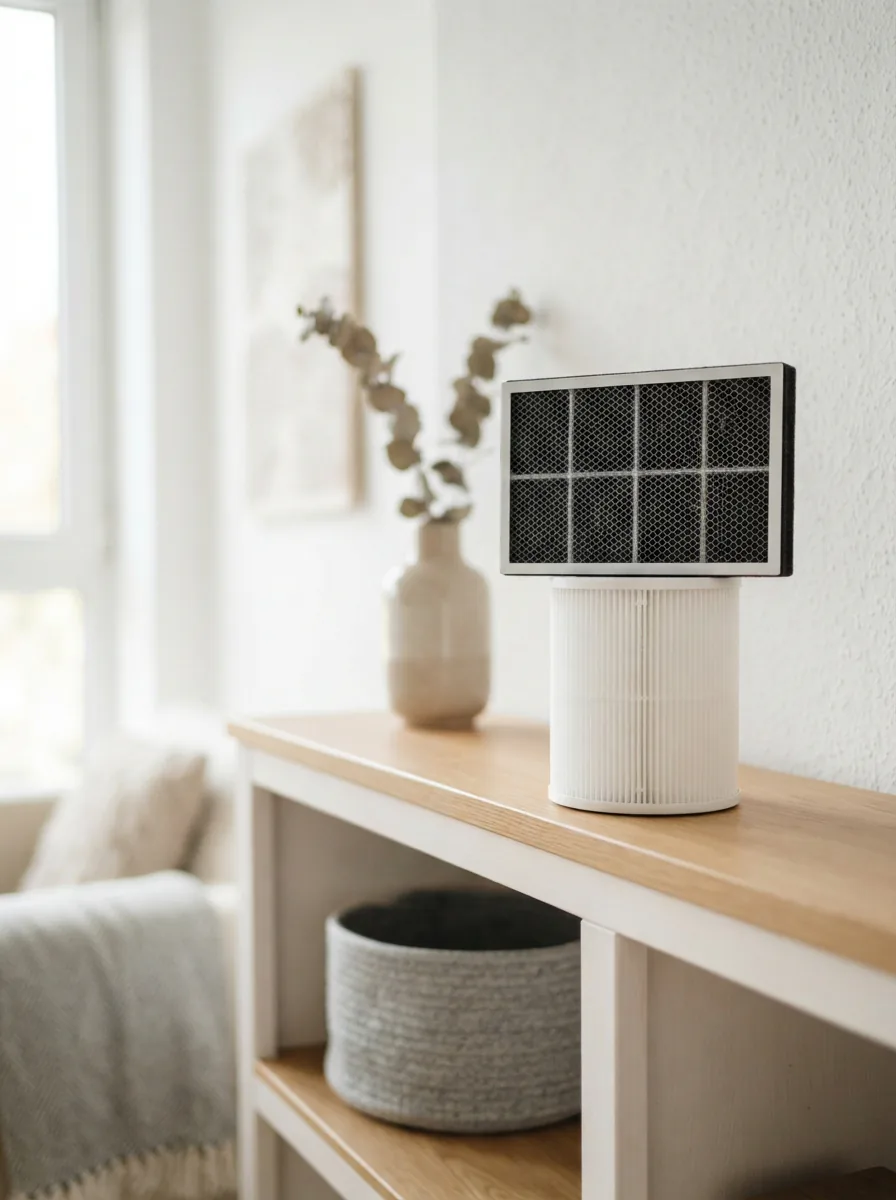
Three stages handle particles, odors and fine allergens in sequence.
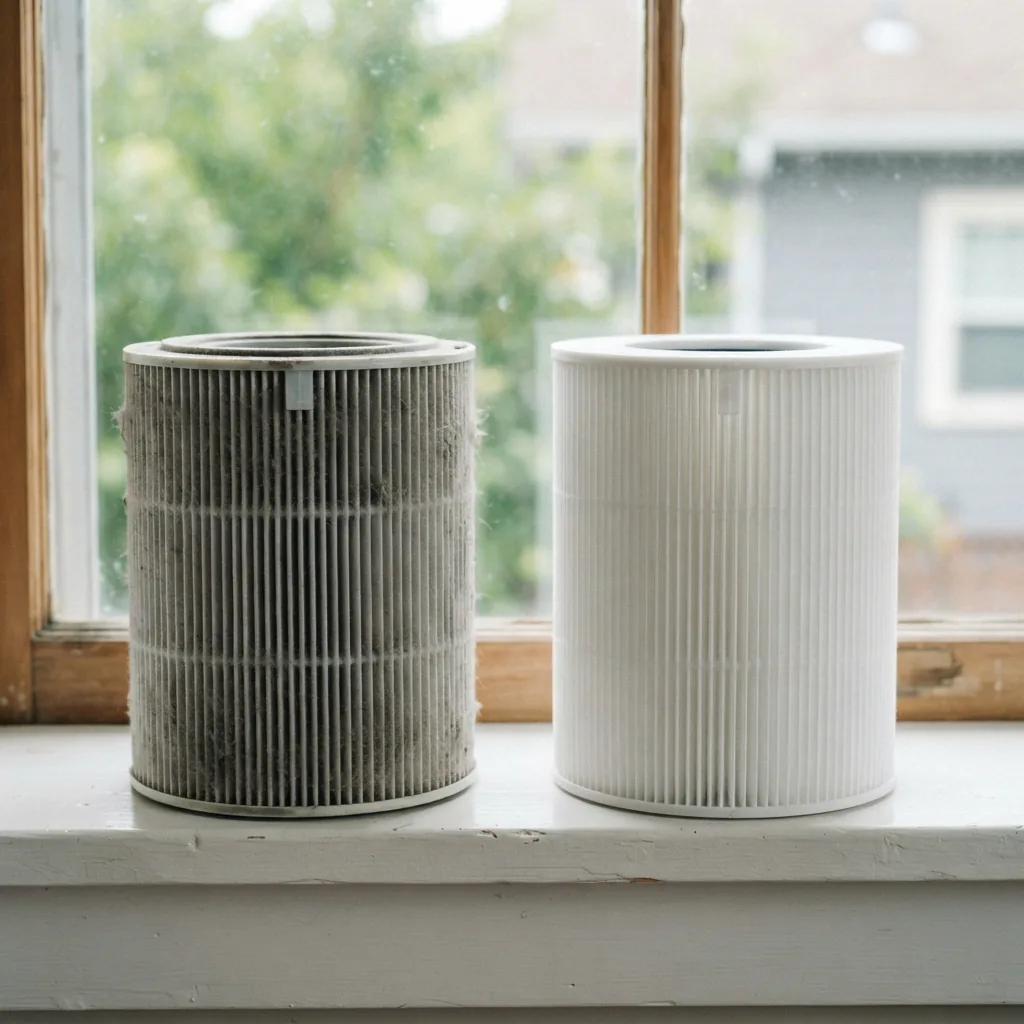
Fresher rooms and smoke exposure shorten the useful life of a filter.
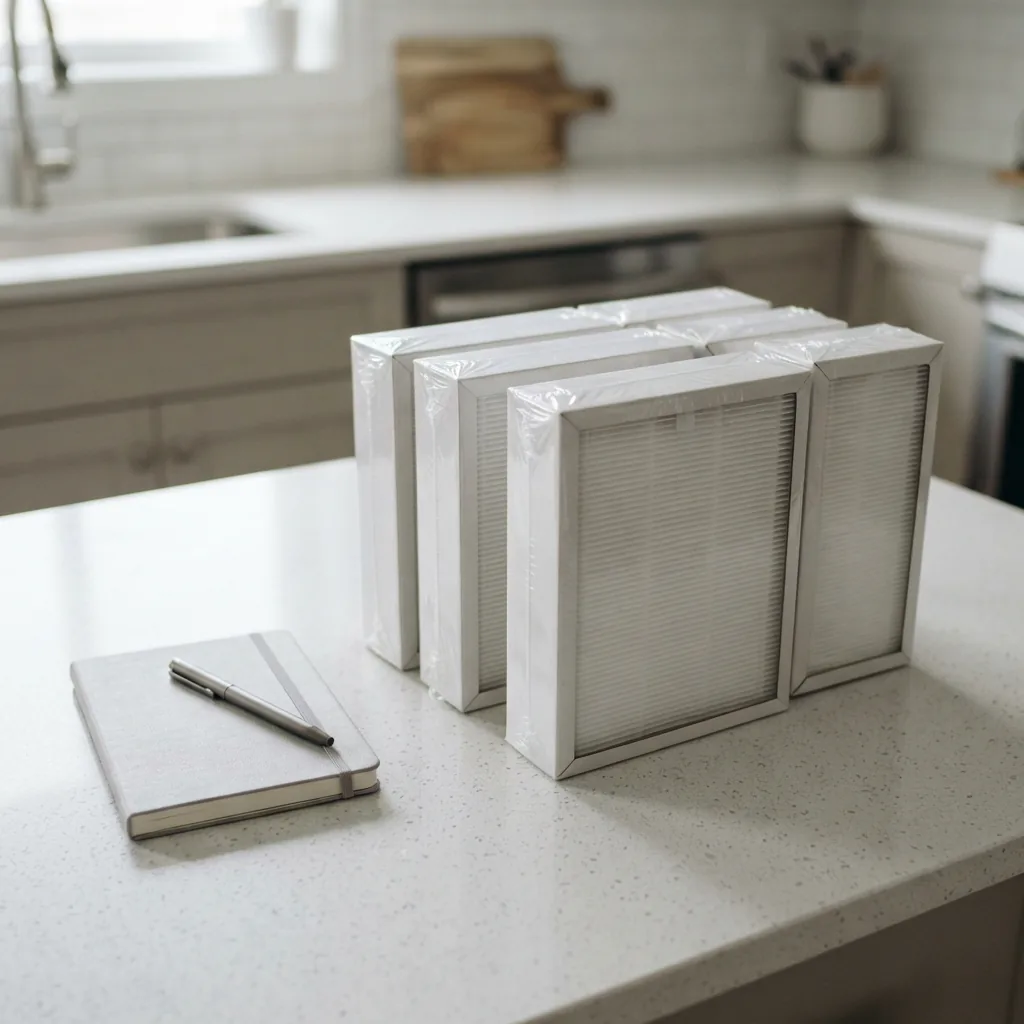
Budget filters cost less per change than guard-enhanced versions.