
Compare the range

Winix Plasma Wave Air Purifier

Winix Plasma Wave air purifiers pair True HEPA filtration with carbon odor reduction and PlasmaWave ionization. Compare room coverage, filter stages, WiFi control and auto mode to match the right unit to your bedroom, living room or whole-home space.
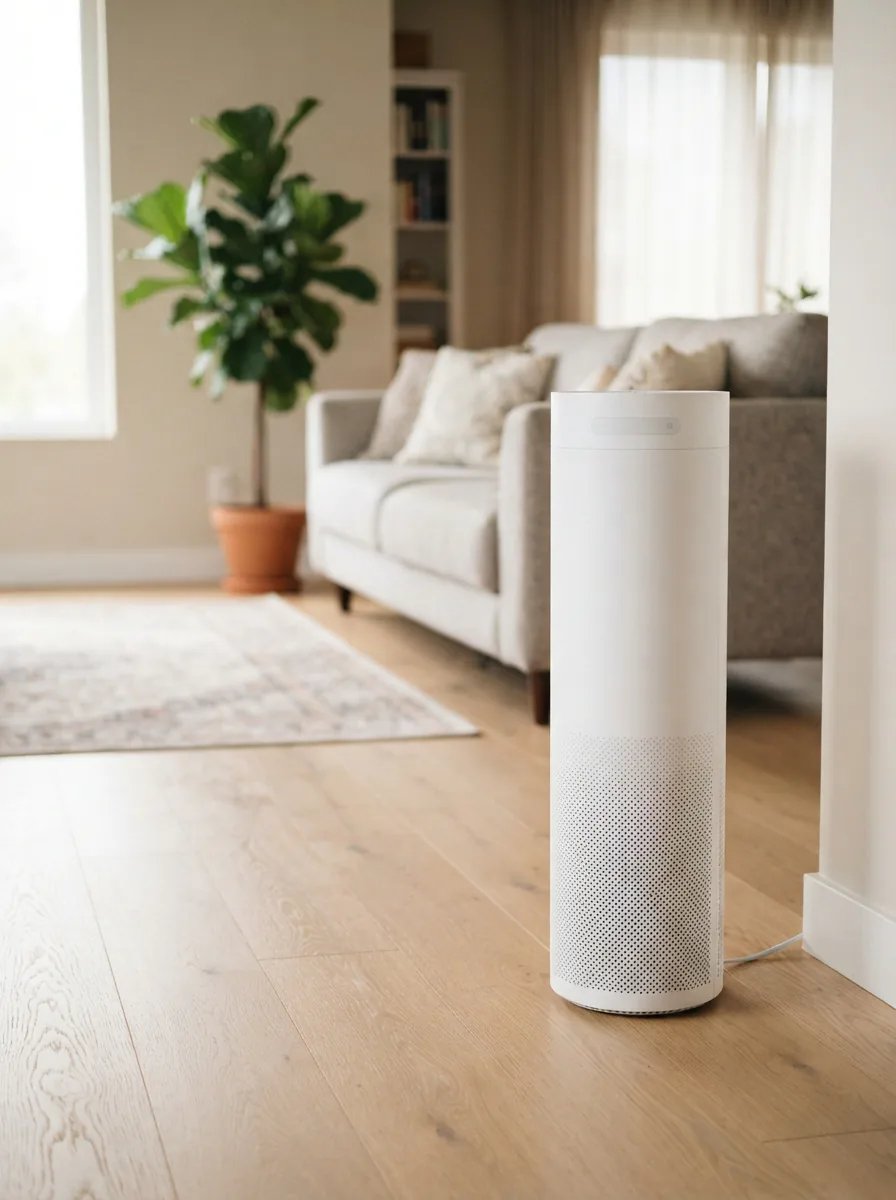
Winix AT40 360° 4-Stage True HEPA WiFi Air Purifier with PlasmaWave for open living areas
The AT40 draws air in from all sides, so it keeps working when you tuck it against a wall or into a corner. Four filter stages handle dust and pollen before True HEPA and carbon address finer particles and household odors. WiFi control and auto mode let it respond to its own sensor readings without you touching a dial.
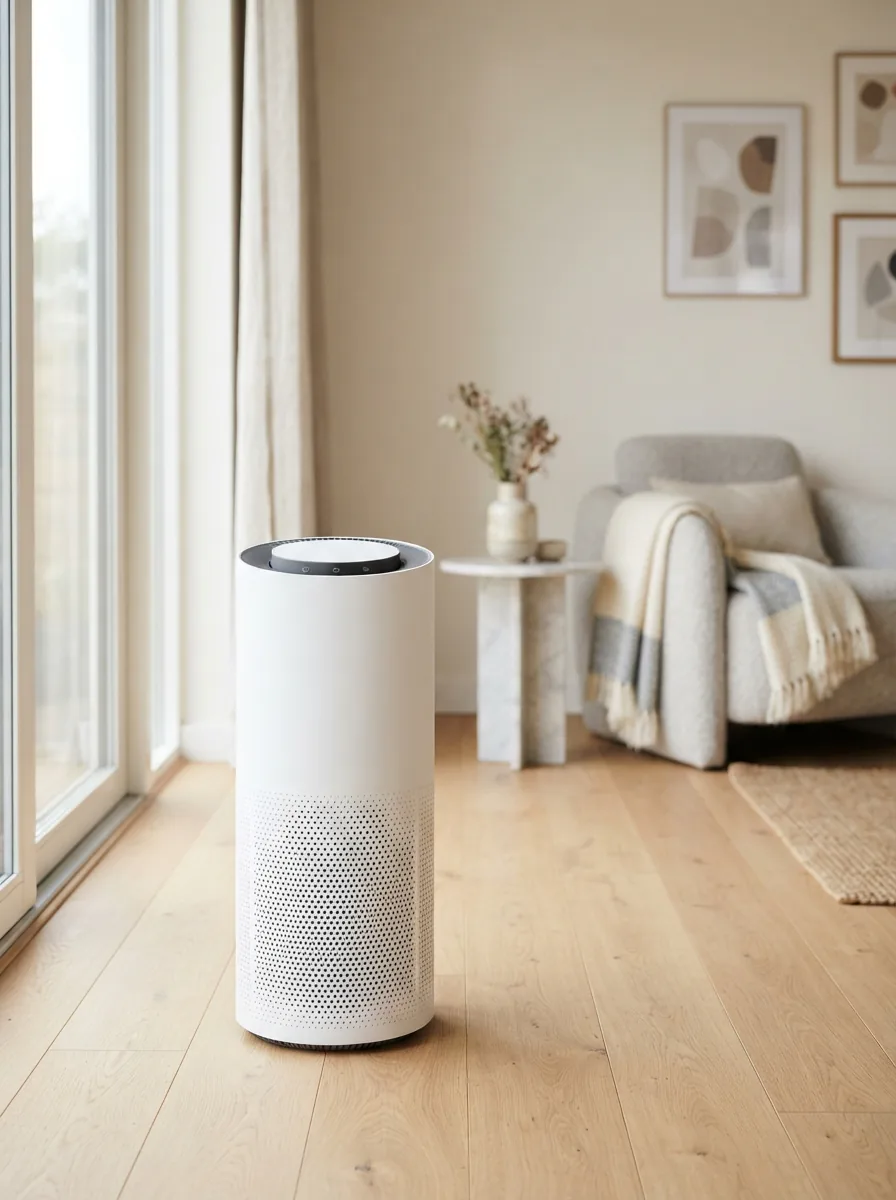
Winix C545 4-Stage True HEPA WiFi Air Purifier with PlasmaWave for everyday home air care
Four stages of filtration run behind a True HEPA filter that captures 99.97% of particles down to 0.3 microns, with a carbon layer working on cooking and pet smells. Add WiFi and auto mode, and the C545 manages its own fan speed from sensor readings, which suits a family room that stays busy from morning to evening.
Winix 5520 4-Stage WiFi True HEPA Air Purifier with AOC Carbon Filter and PlasmaWave
The 5520 pairs True HEPA with an AOC carbon filter designed for longer odor duty, which suits kitchens and homes with pets. WiFi keeps control in your phone, and auto mode shifts fan speed as the sensor reads the air. Independent reviewers have generally characterised Winix units as strong performers for the price.
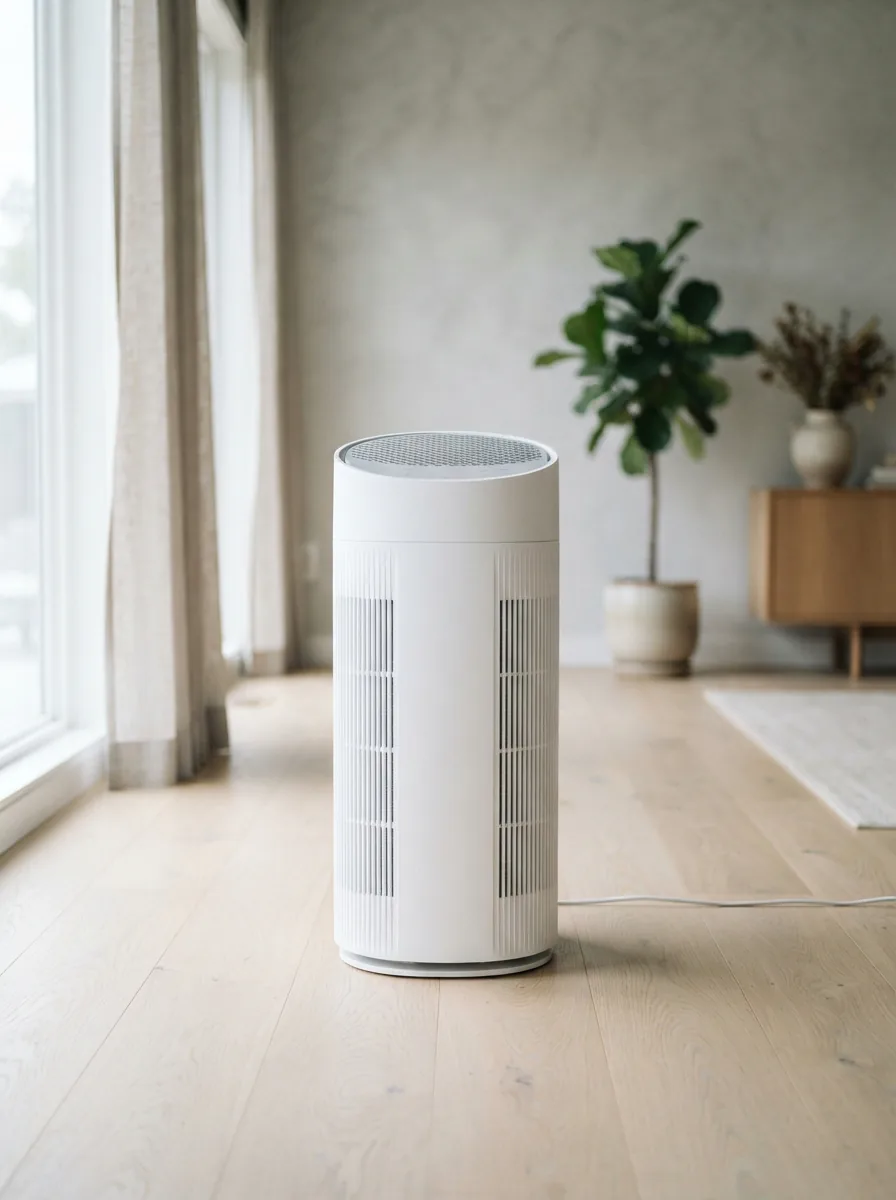
Winix T830 360° All-in-One 4-Stage True HEPA WiFi Air Purifier with PlasmaWave technology
With 360-degree intake, the T830 suits a bedroom where the unit sits between furniture and airflow still needs to reach it. True HEPA traps pollen and dust, carbon handles odors, and PlasmaWave targets airborne pollutants with much lower ozone than conventional ion generators. Auto mode keeps it running quietly overnight.
Winix C535 3-Stage True HEPA Air Purifier with PlasmaWave for simple, filter-light rooms
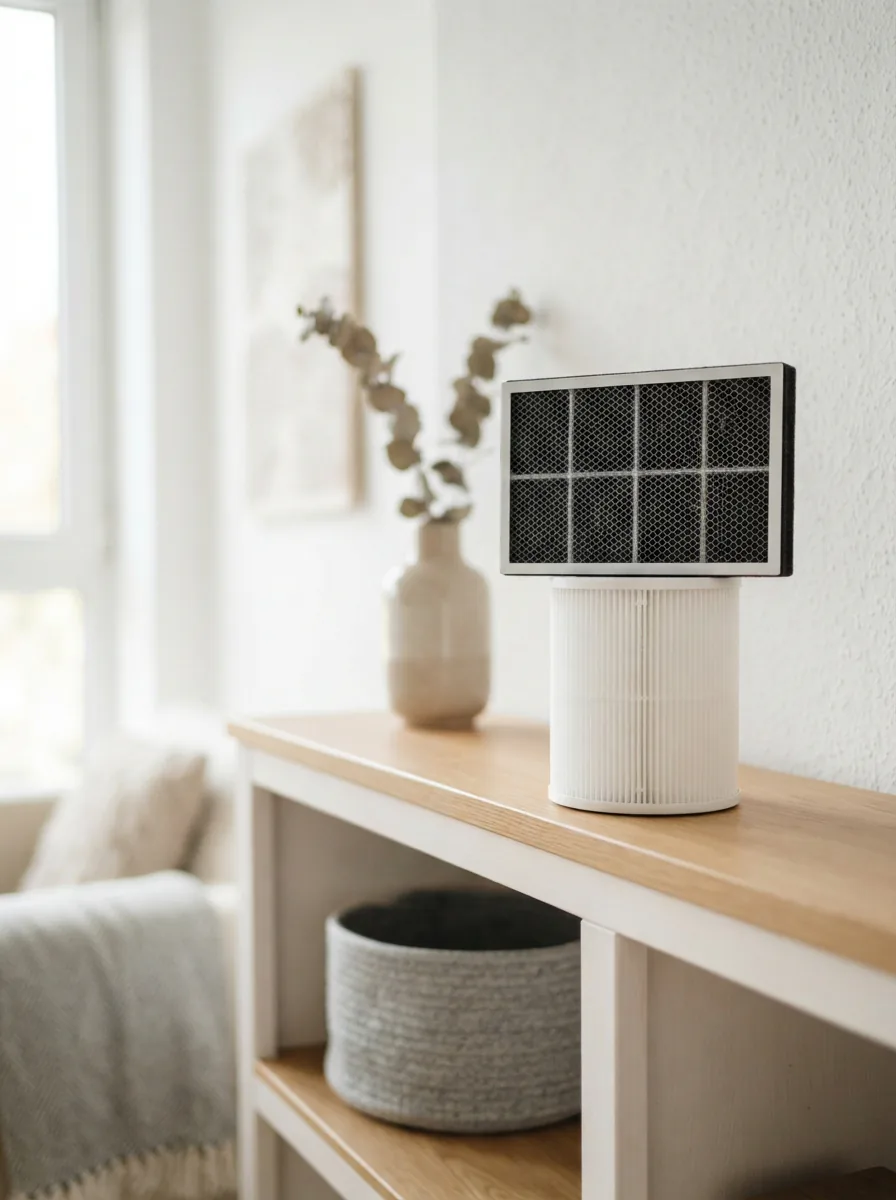
Three stages keep the C535 simple: a washable pre-filter, carbon and True HEPA. Without WiFi or an auto mode it costs less to own, which makes it a sensible second-unit choice for a guest room or a basement where you set it once and leave it. PlasmaWave still runs alongside the filter path.

New additions to the range

Five Winix air purifiers that show how the range scales, from 360-degree intake models to a simple three-stage unit, so you can compare coverage, filter depth and control features side by side.
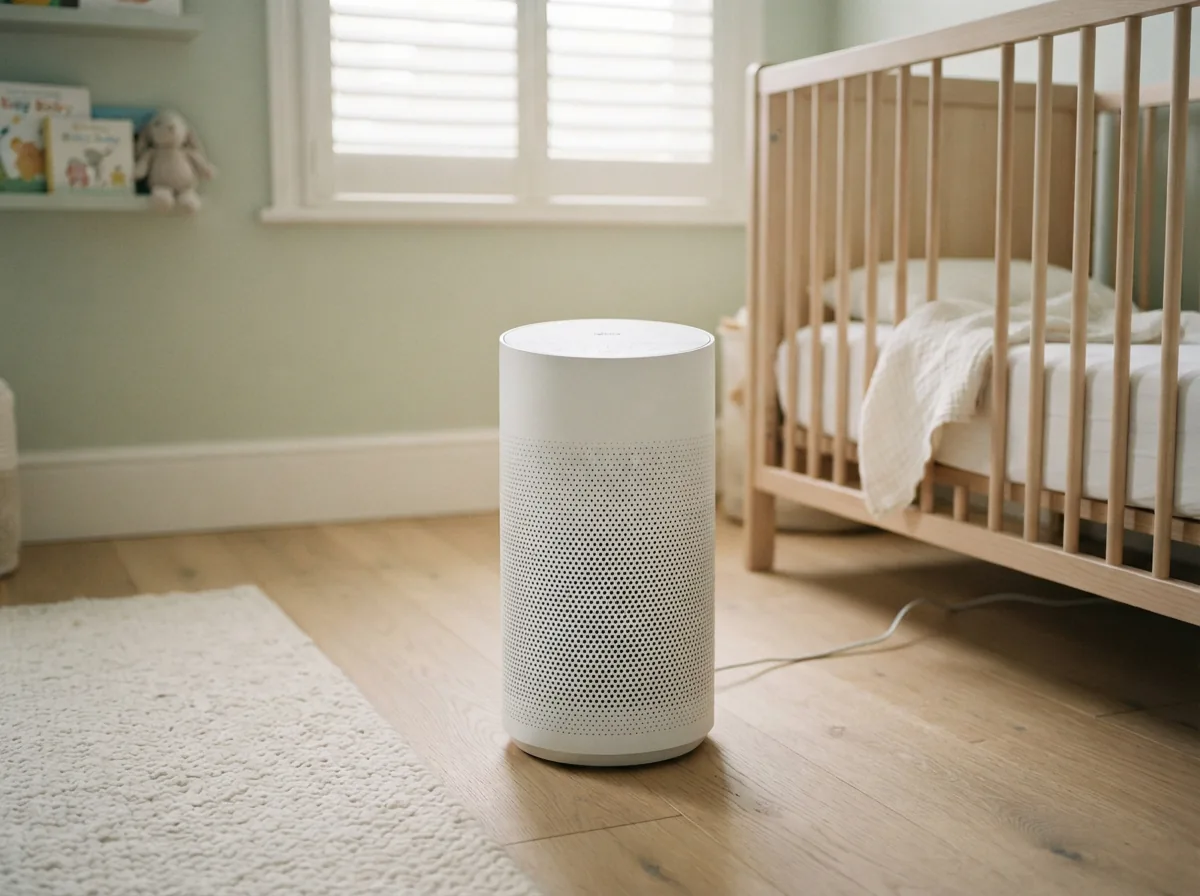
Winix T500 360-degree 4-stage True HEPA WiFi air purifier in a small nursery

Winix T500 360° 4-Stage True HEPA WiFi Air Purifier with PlasmaWave for tight spaces

The T500 keeps a small footprint but still brings 360-degree intake and a full four-stage path: pre-filter, carbon, True HEPA and PlasmaWave. That makes it a sensible fit for a nursery, office or narrow hallway where floor space is scarce. WiFi and auto mode let the sensor adjust speed while you work or sleep, and True HEPA captures 99.97% of particles down to 0.3 microns.
Widely shopped models

Proven Winix models across sizes and feature sets

Winix 9800 4-Stage True HEPA WiFi Air Purifier with PlasmaWave for larger open areas

The 9800 sits at the larger end of the Winix line, built for open areas where a bedroom-sized unit would fall short. Four stages plus True HEPA handle a heavier particle load, and WiFi with auto mode keeps the fan matched to real conditions. Reviewers have generally characterised Winix as good value against premium brands.

Winix C909 4-Stage True HEPA WiFi Air Purifier with PlasmaWave for hall-connected rooms

Choose the C909 when a single room opens onto a hallway and you want coverage that carries further. True HEPA and carbon handle dust and odors, while PlasmaWave adds a low-ozone ionization step. WiFi control lets you start a cleaning cycle before you get home, and auto mode takes over once the sensor settles.

Winix XQ Dual 4-Stage True HEPA WiFi Air Purifier with PlasmaWave for connected zones

The XQ uses a dual four-stage arrangement, so shoppers with two connected zones can cover both from one purchase decision. Each path runs pre-filter, carbon, True HEPA and PlasmaWave, and WiFi keeps control in one app. It suits an open-plan living and dining area that a single smaller unit would under-serve.

Winix WX100 4-Stage True HEPA Air Purifier with PlasmaWave and simple manual controls

No WiFi here, the WX100 keeps things focused on four filtration stages plus PlasmaWave and lets the physical controls do the work. That keeps the price down while True HEPA and carbon stay on board. It fits shoppers who want verified filtration performance and have no need for app control or remote scheduling.

Winix A230 Air Purifier for Bedroom with Air Quality Monitor, True HEPA and Auto Mode

Bedrooms are the A230's home turf. Winix states coverage of up to 1110 sq ft in an hour, and its air quality monitor plus auto mode let it run unattended overnight while it captures pet allergens, smoke and dust. The compact body means it fits beside a nightstand without taking over the room.

Winix 5500-2 4-Stage Air Purifier rated for 360 sq ft rooms with 232 CFM CADR

Winix rates the 5500-2 for rooms up to 360 sq ft with a CADR of 232 CFM, backed by four filtration stages. That pairing of stated coverage and measured airflow gives shoppers a concrete way to compare it against other mid-size units. It suits a living room or master bedroom where pollen and pet dander are the main concern.

Where Winix purifiers earn their place

From pet dander and seasonal pollen to smoke and open-plan living, Winix purifiers address specific air problems. Match the task to the coverage figure and filter stages so you get the result you actually need.
A dog resting on a rug near an air purifier in a bright living room with soft daylight

Reducing pet dander and household odors

Homes with dogs or cats need more than particle capture. Look for a strong carbon stage alongside True HEPA, and place the unit where pet bedding gathers. Auto mode helps, since dander levels rise sharply after grooming and play without any warning from you.
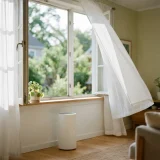
An open window with sunlight and drifting pollen beside a running Winix air purifier

Seasonal pollen and allergy relief

Pollen enters on clothes and through open windows, so a purifier near the seating you use most tends to help. True HEPA is the stage that matters here. Run the unit continuously at a low setting through the season rather than only on days you feel symptoms.
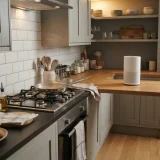
A kitchen with a pan on the stove and an air purifier standing on the counter end

Smoke and cooking particle cleanup

Cooking smoke and outside wildfire smoke both call for fast air changes. A Winix with a washable pre-filter is easier to keep honest in a kitchen, since grease loads the first stage quickly. Check the stated CADR if you want a measurable comparison between models.
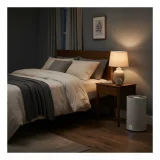
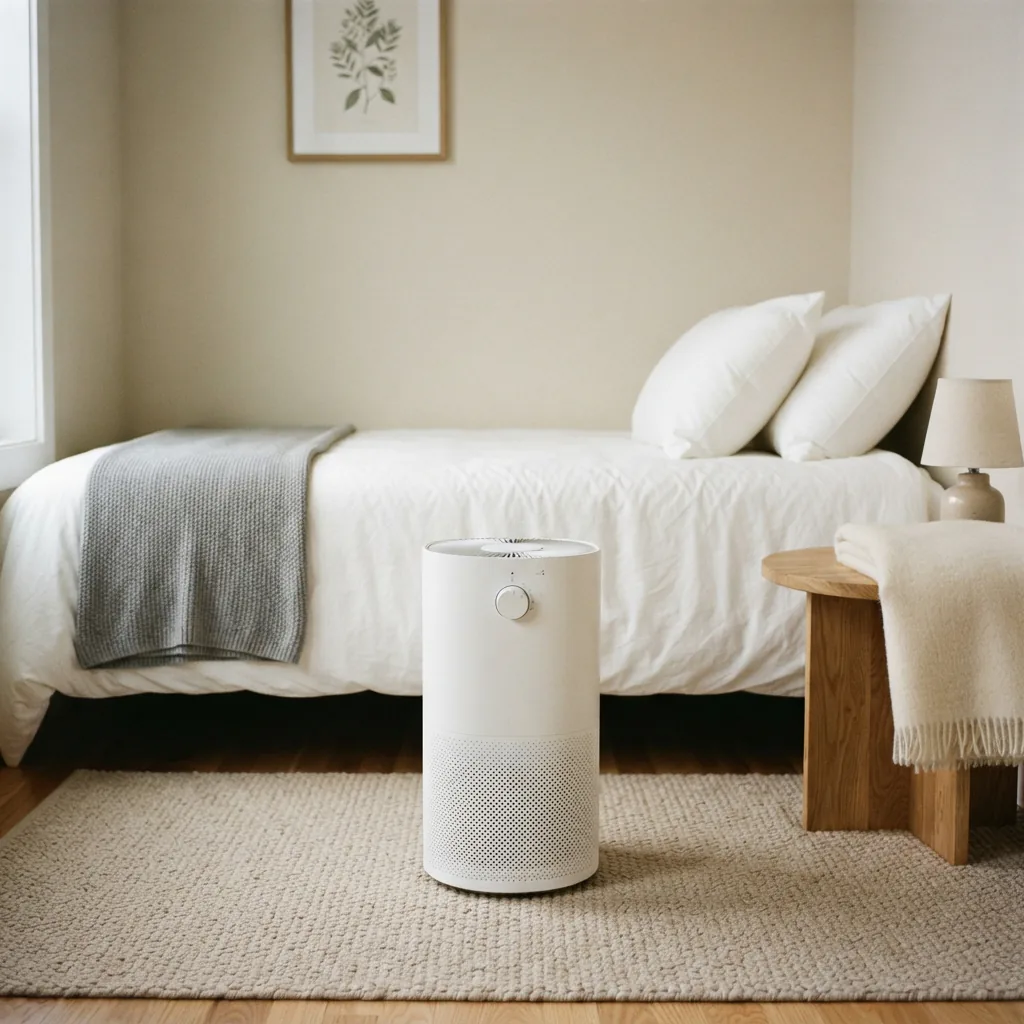
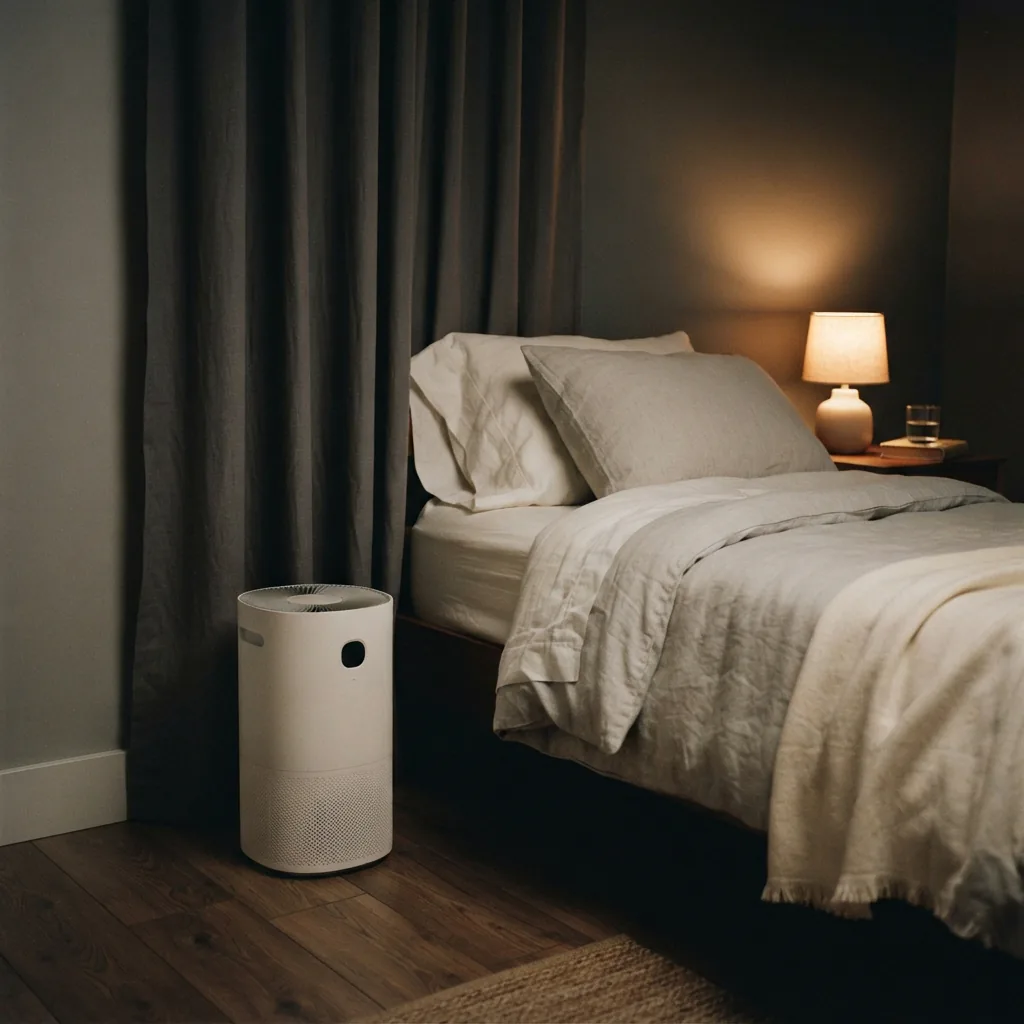
A tidy bedroom at night with an air purifier glowing softly beside the bed

A nightly routine for better sleep air

For bedrooms, the features that matter are a low quiet setting, auto mode and a sensor that reacts to overnight changes. Keep the unit a metre or so from the bed with clear space around the intake, and let it run continuously rather than switching it on at bedtime.
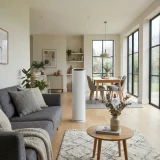
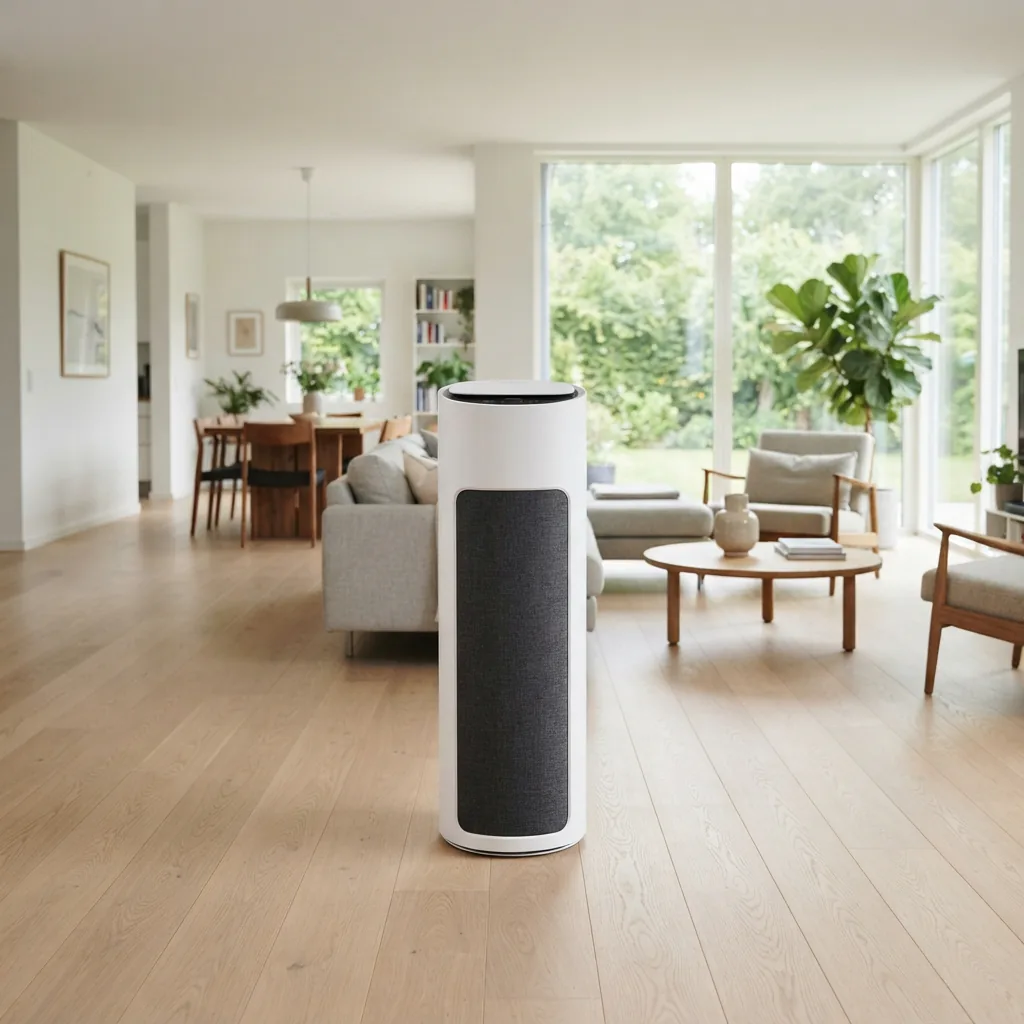
An unbranded air purifier standing mid-room in a bright open-plan living and dining area

Covering open plan living spaces

Open-plan rooms behave like several rooms at once, so coverage figures matter more than features. A 360-degree intake model can sit mid-room where furniture allows, while a larger rated unit handles the combined area. Auto mode keeps speeds matched as you move between zones.
A simple Winix air purifier running in a quiet basement recreation room

Keeping a basement or guest room fresh

Spare rooms often go stale because they are closed up for weeks. A simple three-stage Winix with a plain dial is enough for this job and costs less to buy. Set it once, leave it running at a low speed, and wash the pre-filter whenever you visit the room.
Choosing well

The factors that decide which Winix suits your home

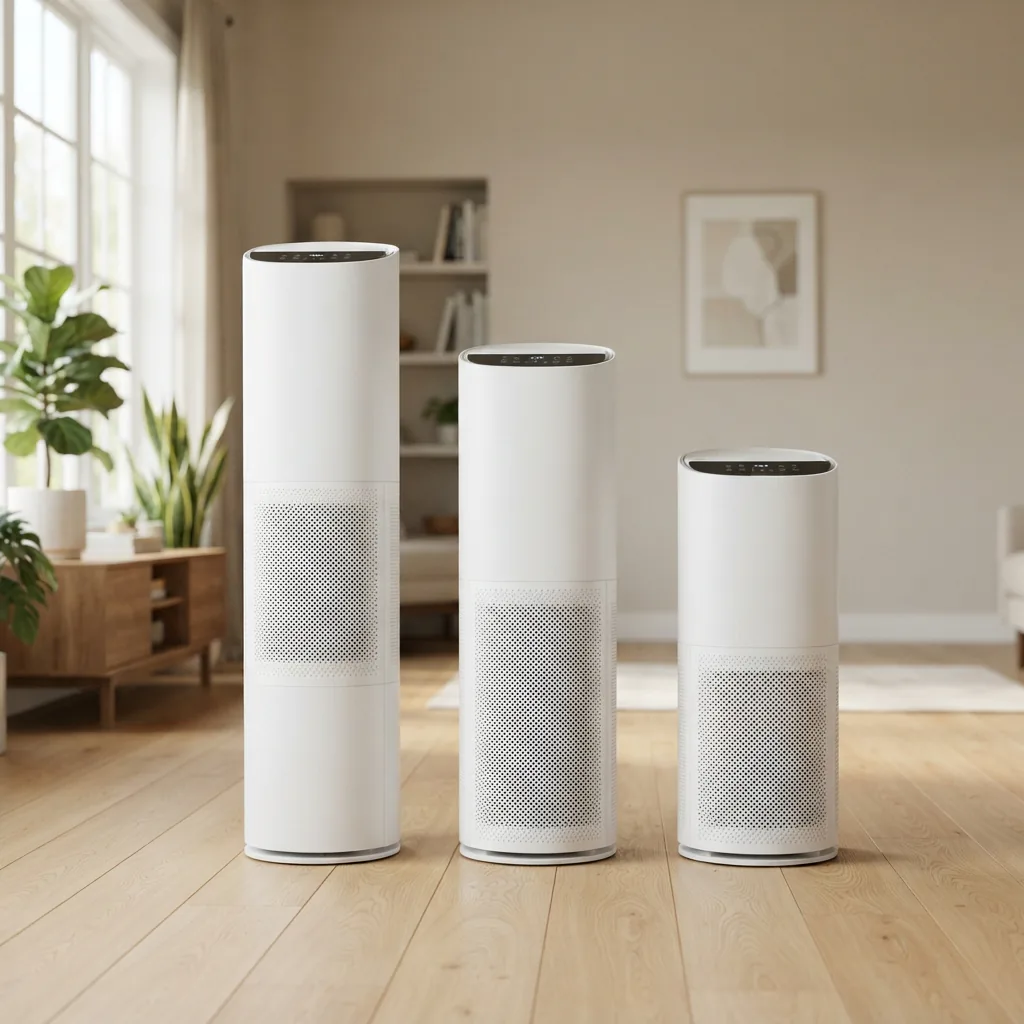
Side-by-side Winix air purifiers of different heights beside a floor plan sketch

Room size coverage

Match rated square footage to the room you plan to run it in daily.
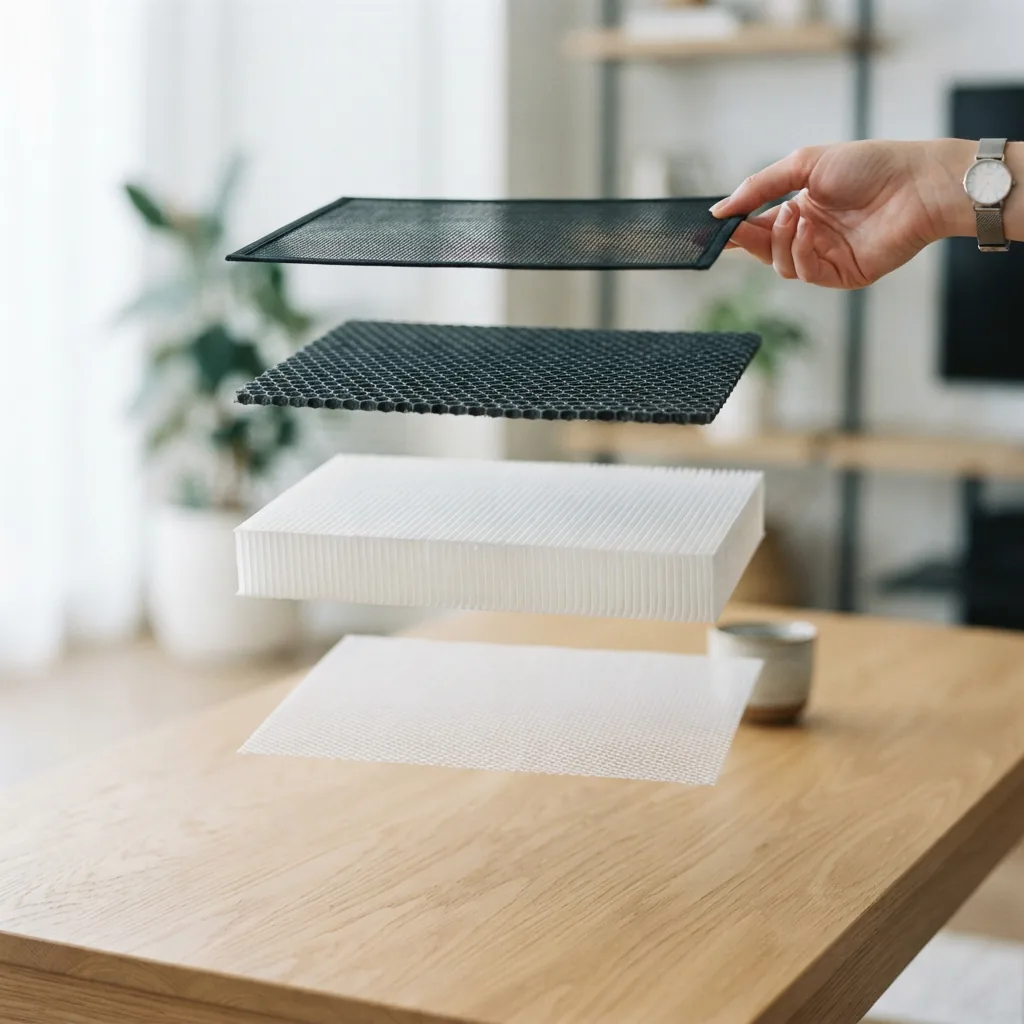
An exploded stack of purifier filter layers held in one hand over a table

Filter stages and cost

Three-stage units cost less to own than four-stage models with carbon.
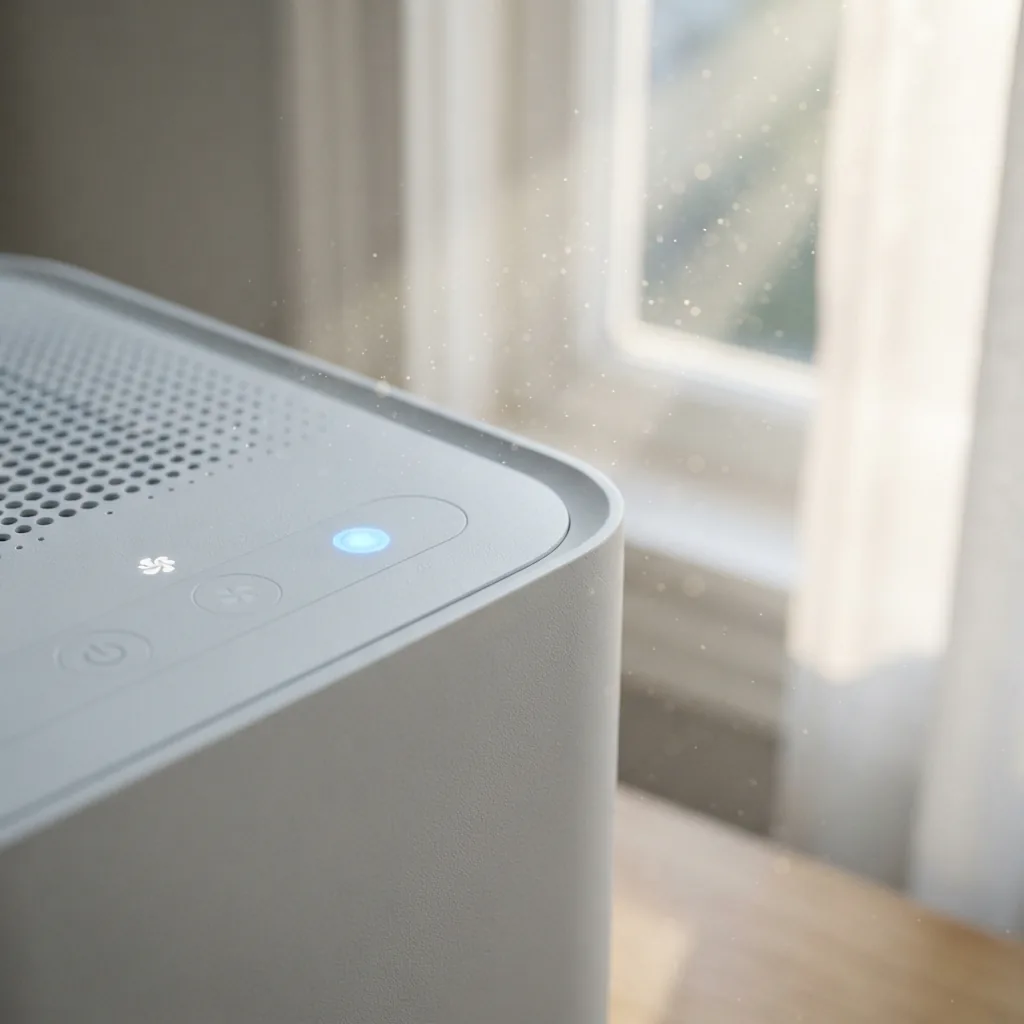
Close view of an air purifier control area glowing beside a window with clean air

What PlasmaWave adds

PlasmaWave adds low-ozone ionizing beyond what True HEPA does alone.
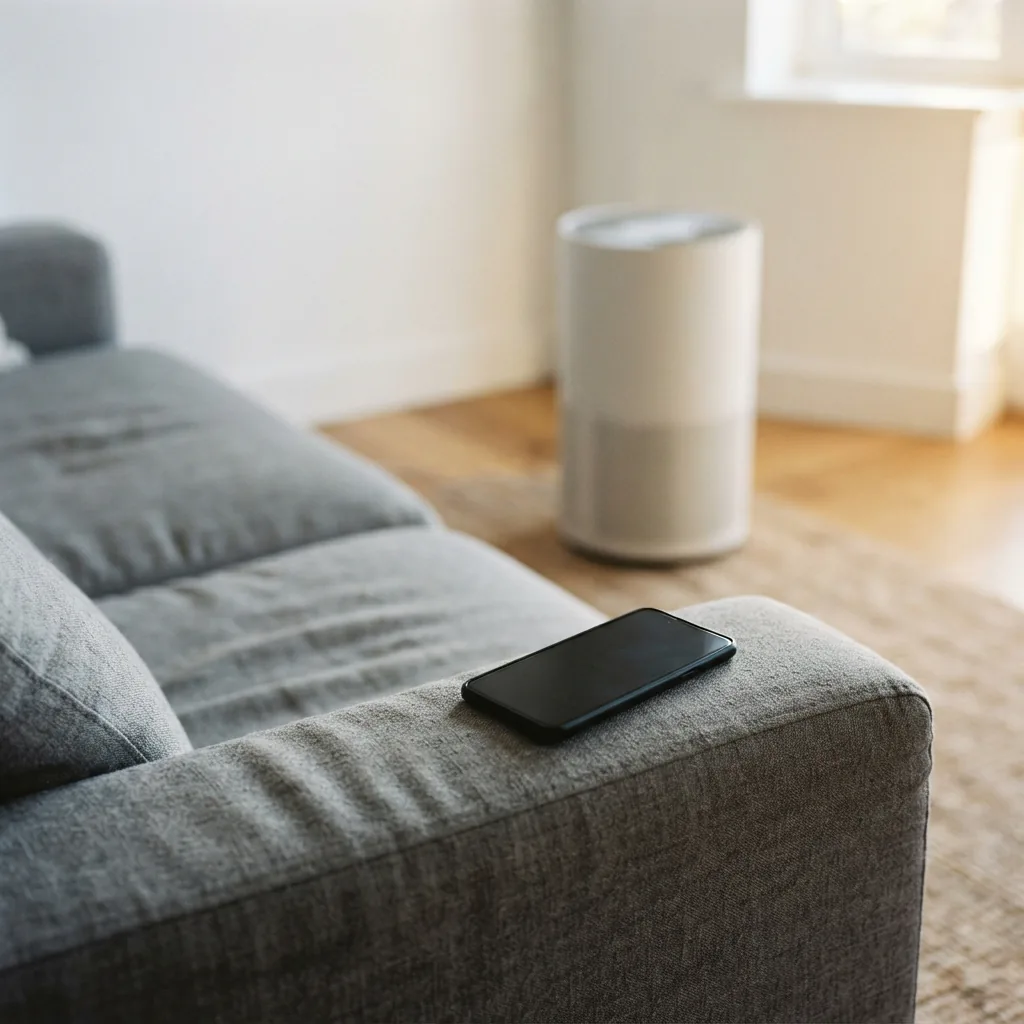
A phone resting on a sofa arm beside a running Winix air purifier

WiFi and auto mode

Auto mode adjusts fan speed from sensor readings, not your effort.
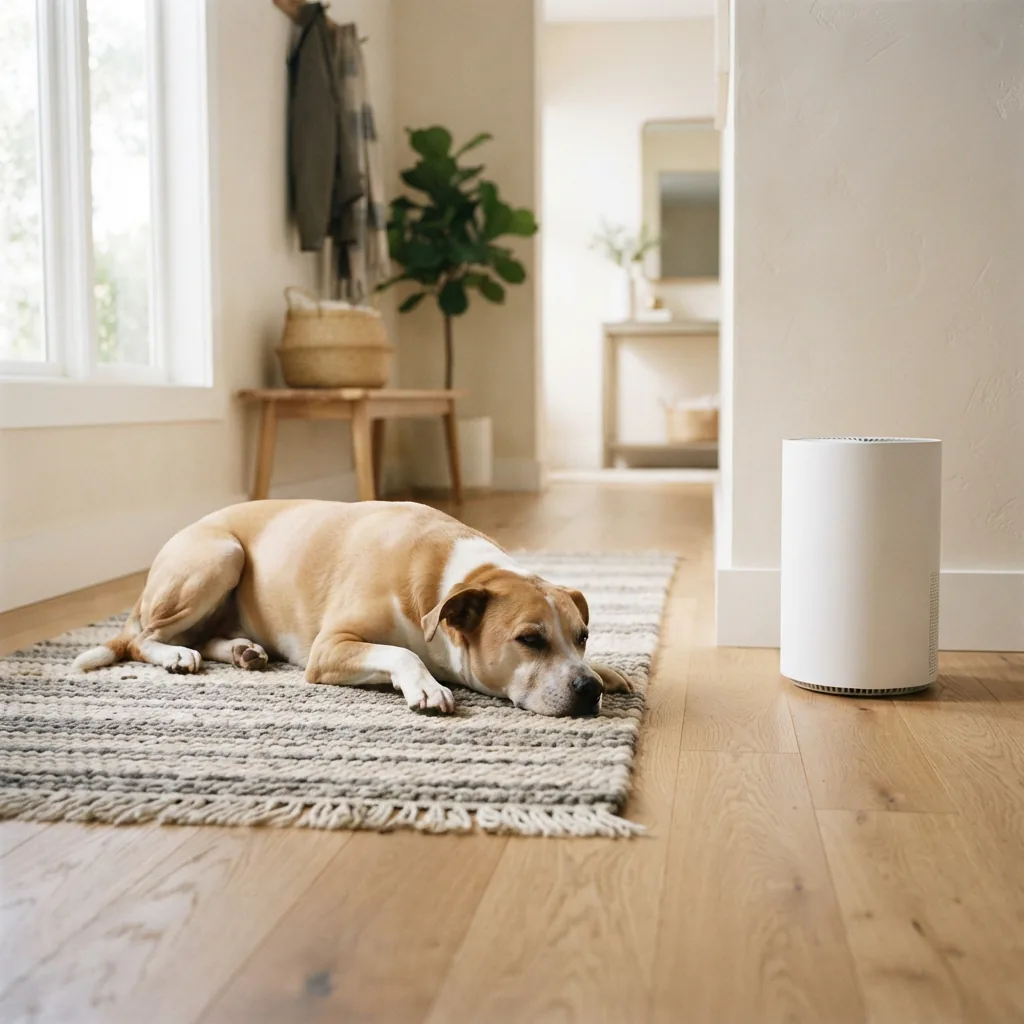
A dog resting on a rug near a Winix air purifier in a bright hallway

Pet dander and odors

Homes with pets need strong carbon stages to manage dander and smell.
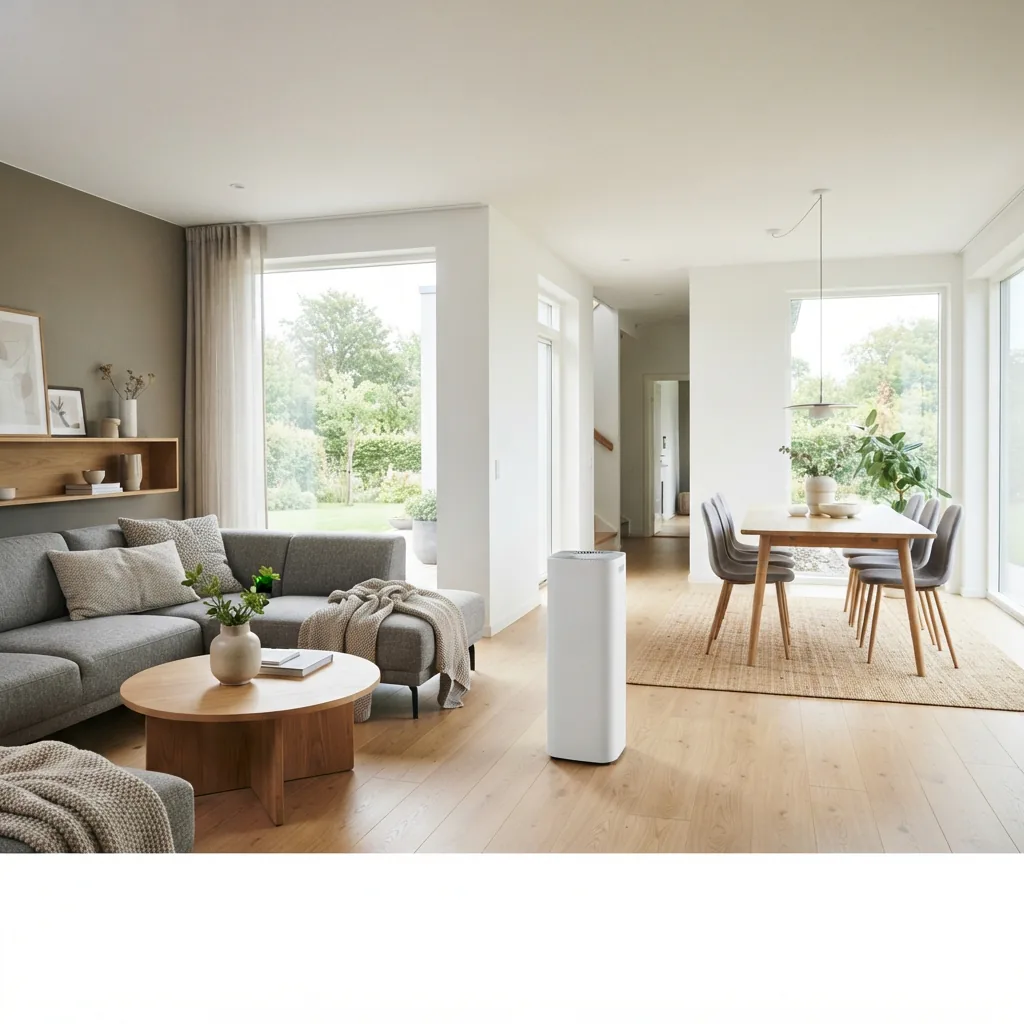
An open-plan living and dining area with one air purifier placed centrally

Bedroom vs whole home

Open living areas need more coverage than a bedroom unit provides.
Where each model fits

Three directions to narrow your Winix choice

Bedroom-sized units for nightly running

Smaller Winix models cover bedrooms and nurseries, and they are the ones you will hear most about at night. Look for a low manual setting or auto mode so the fan drops once sensor readings settle, and check that the body fits the floor space beside your bed.

Open-area purifiers for larger rooms

Larger Winix units are built for living rooms and open-plan spaces, where a bedroom model would run flat out and still lag. Confirm the rated coverage comfortably exceeds your floor area, and note that 360-degree intake models need clearance on every side to breathe properly.

Simple three-stage units on a budget

Three-stage Winix models keep True HEPA and carbon on board while dropping WiFi and auto mode, which lowers the purchase price. They suit a guest room, basement or office where you set the speed once. Filter replacement stays the main running cost, so compare cartridge prices too.

From real use

How shoppers describe living with Winix

Questions buyers ask

Practical answers before you pick a Winix

Winix rates its models across a wide span, from bedroom-oriented units to larger whole-house purifiers. Compare the stated square footage against the room you actually want to treat, not the largest number on the box, and allow for furniture blocking airflow.
True HEPA filters capture 99.97% of particles down to 0.3 microns, including pollen, dust and pet dander. The carbon stage reduces household odors from cooking and pets, while PlasmaWave adds a low-ozone ionization step that helps break down airborne pollutants.
Most current Winix units carry four stages: a pre-filter, a carbon filter, True HEPA and PlasmaWave. Three-stage models such as the C535 keep the True HEPA and carbon work but simplify the path, which usually means a lower purchase price and fewer filters to replace.
Yes. A built-in air quality sensor reads the room and auto mode shifts fan speed to match, so the unit works harder when pollution rises and quiets down when the air settles. WiFi models add phone control so you can start or schedule a cycle remotely.
Room size matters more than feature count for cost. A larger unit covering a whole living area may cost more up front but run fewer cycles than a small unit pushed to its limit. Check that replacement pre-filters, carbon and HEPA cartridges are available for the model you choose.
Units with a washable pre-filter and a plain manual dial are the simplest to keep running, and many shoppers buy a second smaller Winix for a guest room or basement. If you want app control and sensor-driven speed, confirm the model carries WiFi and auto mode.